English
한국어
English
Español
中文
हिंदी
Home
News
Community
Dictionary
English
한국어
English
Español
中文
हिंदी
View list
Canary Ivy
Hedera canariensis
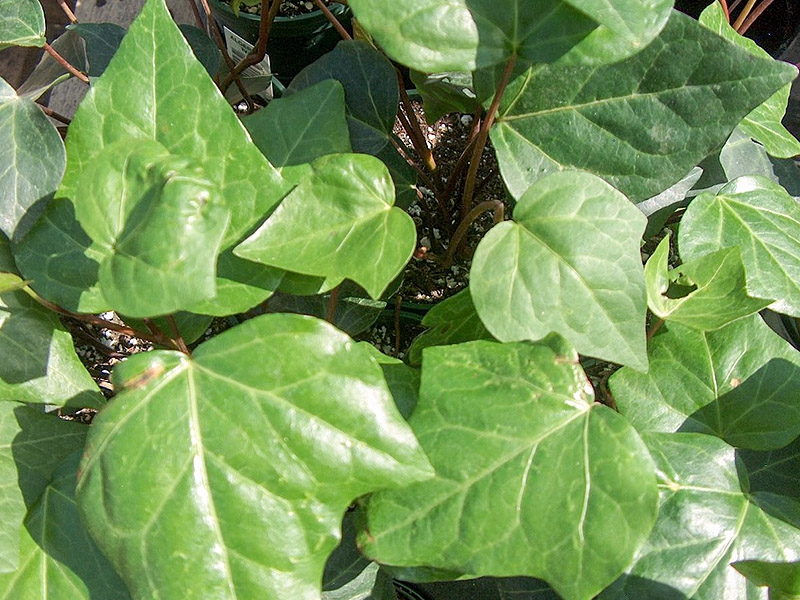
Canary Ivy (Hedera canariensis) is a climbing plant primarily cultivated for ornamental purposes. The following is information regarding this plant's growth characteristics, propagation methods, cultivation methods, garden uses, major pests and diseases, and control methods. Growth Characteristics - Growth Environment: It thrives in partial shade, although locations with some sunlight are acceptable. However, direct sunlight should be avoided. - Soil: It prefers well-draining soil, and standard potting mix is suitable. - Temperature: While it prefers warm environments, it can tolerate some low temperatures even during the winter. Propagation Methods - Cuttings: This is the most common method of propagation. Cut a healthy stem and plant it in water or soil to encourage new roots to grow. - Seeds: This is a slightly more complex method, allowing for propagation using seeds. However, the germination rate may be low. Cultivation Methods - Watering: It is best to water when the surface soil dries out, and avoid overwatering. - Fertilizer: It is recommended to use slow-release fertilizer during the growing season in spring and summer. - Pruning: If growth is vigorous and difficult to manage, you can shape the plant by pruning. Uses in the Garden - Wall Decoration: Its climbing nature makes it ideal for wall greening. - Ground Cover: It is also widely used to cover the ground. Important Pests and Control Methods - Diseases: Root rot may occur, so thorough soil drainage and water management are essential. - Pests: Aphids and mites may appear. - Control Methods: While using pesticides immediately when problems arise is an option, it is recommended to use periodic water washing or natural pesticides. We hope this information helps with the effective cultivation and management of Canary Ivy.
Plant Family
Araliaceae
Height
10m
Colors
green
Bloom Period
August to October
Water Needs
commonly
Exposure
semi-shaded area
Freezing Resistance
-5°C
Ivy
Hedera helix
Ivy 'Needle Point'
Hedera helix
'Needlepoint'