English
한국어
English
Español
中文
हिंदी
Home
News
Community
Dictionary
English
한국어
English
Español
中文
हिंदी
View list
Tulip 'Lady Jane'
Tulipa Clusian
'Lady Jane'
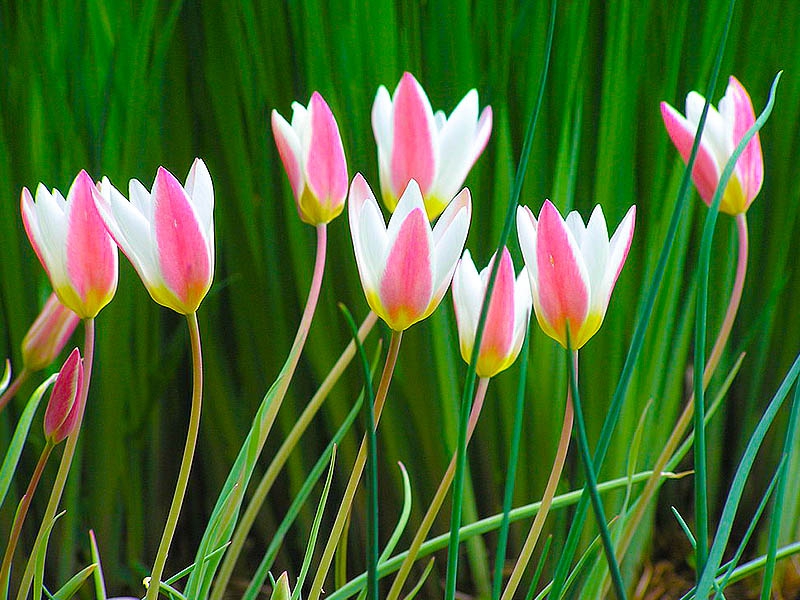
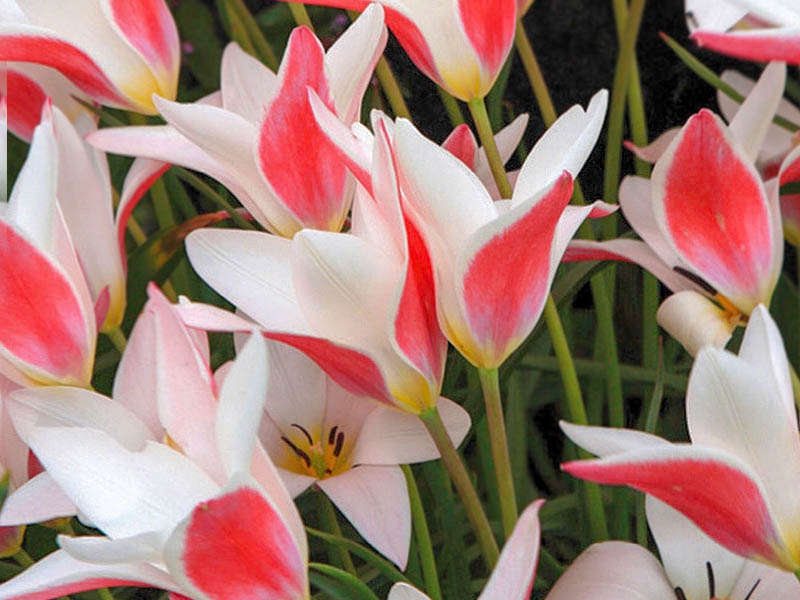
The tulip 'Lady Jane' (Tulipa clusiana 'Lady Jane') is popular in gardens due to its unique and beautiful appearance. The following is information regarding this variety's growth characteristics, propagation methods, cultivation techniques, garden uses, and major pests and diseases and control methods. Growth Characteristics - Form: 'Lady Jane' grows to a height of approximately 20–30 cm and is characterized by pink petals covering the outside while the inside is white. - Flowering Period: It blooms mainly in April and May. The petals have a clear and bright color that reflects sunlight well. - Environmental Conditions: It prefers sunlight and thrives in well-drained soil. It can tolerate some shade, but excessive shade may hinder growth and flowering. Propagation Methods - Bulb Division: Tulips are primarily propagated by bulbs. After flowering ends, allow the leaves to wither naturally to enable the bulb to store sufficient nutrients through photosynthesis. Afterward, dig up the bulbs, separate them, and replant them in the autumn. Cultivation Method - Planting: Plant in the autumn in a sufficiently cooled environment (approximately from late September to early November). Plant at a depth of about 10–15 cm, maintaining a spacing of about 10 cm between bulbs. - Fertilizer: Applying basic phosphate fertilizer before planting is helpful. No additional fertilizer is required during the growing season. - Watering: Water thoroughly immediately after planting to aid initial establishment, and be careful not to overwater thereafter. Uses in the Garden - Landscaping: Planting tulips of various colors together creates a spectacular landscape in the spring. They are particularly suitable for placement along the edges of flowerbeds or in pots. - Containers: Their small size makes them suitable for planting in containers, allowing them to be easily admired on balconies or terraces. Important Pests and Control Methods - Diseases: Fungal diseases such as powdery mildew or gray mold may occur. To prevent pests, ensure good ventilation and avoid overwatering. - Pests: Aphids or mites may occur. In the early stages, wash them off with water, or use an appropriate insecticide in severe cases. - Control Methods: The foundation of pest and disease prevention is maintaining healthy soil and proper planting spacing. Chemical control should be used minimally and only when necessary, and it is recommended to prioritize eco-friendly methods. Based on this information, we hope you can grow healthy and beautiful 'Lady Jane' tulips.
Plant Type
Plant Family
Lily family
Height
25cm
Spread
7cm
Colors
white
Bloom Period
april
Water Needs
commonly
Exposure
Sunny
Freezing Resistance
-15°C
tulip 'peppermint stick'
Tulipa clusiana 'Peppermint Stick'
tulip 'Cynthia'
Tulipa clusiana 'Cynthia'