English
한국어
English
Español
中文
हिंदी
Home
News
Community
Dictionary
English
한국어
English
Español
中文
हिंदी
View list
Rodanthe
Rhodanthe manglesii
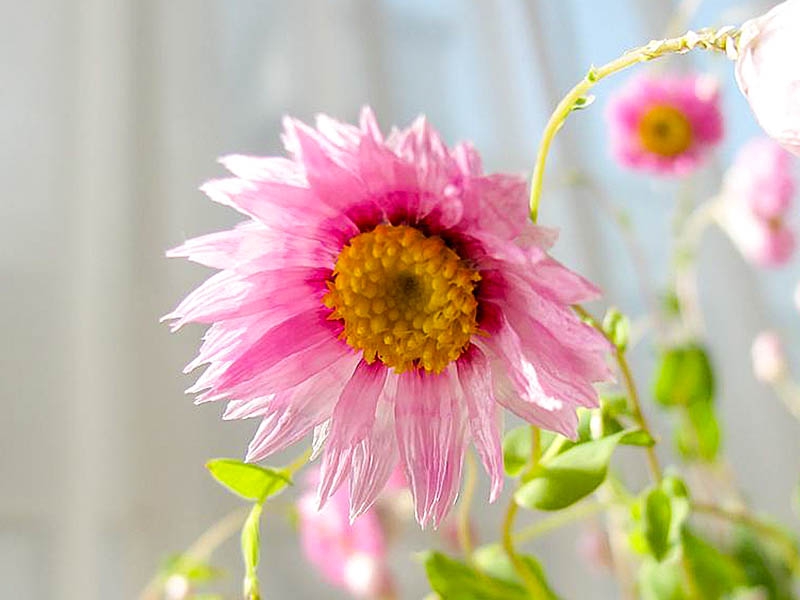
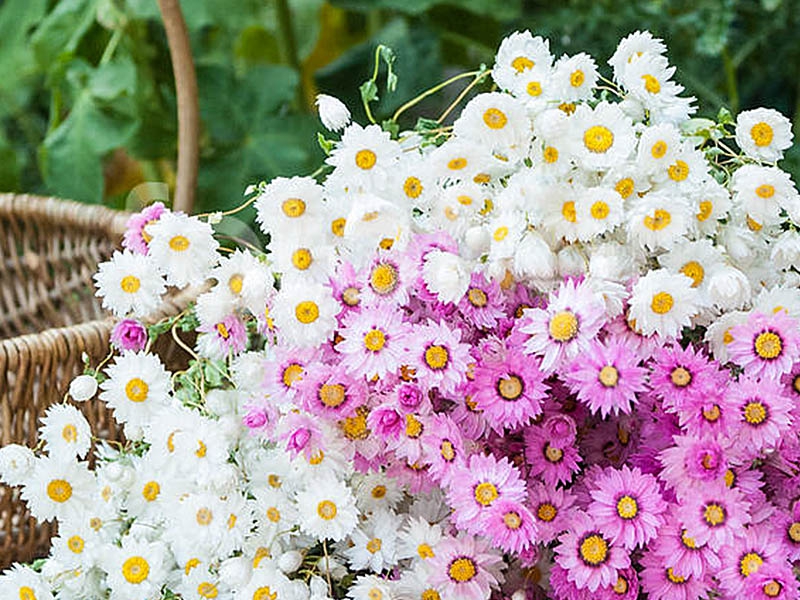
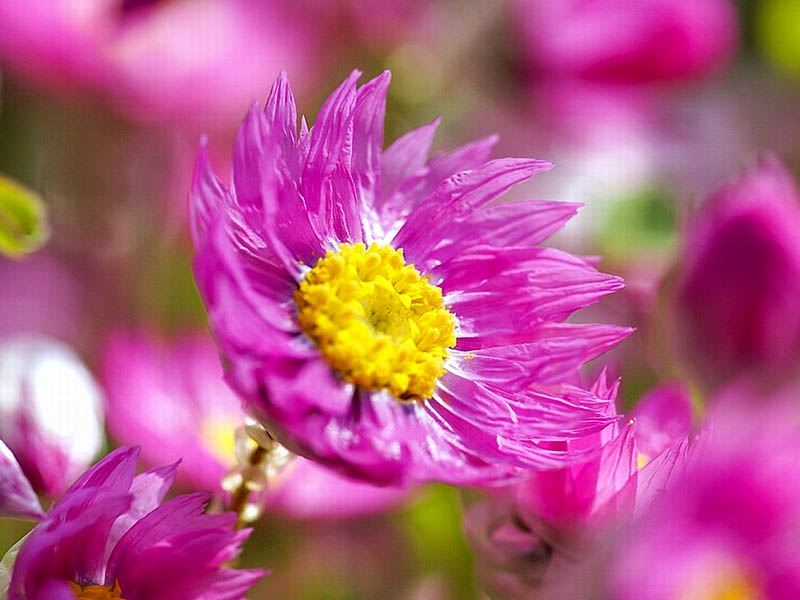
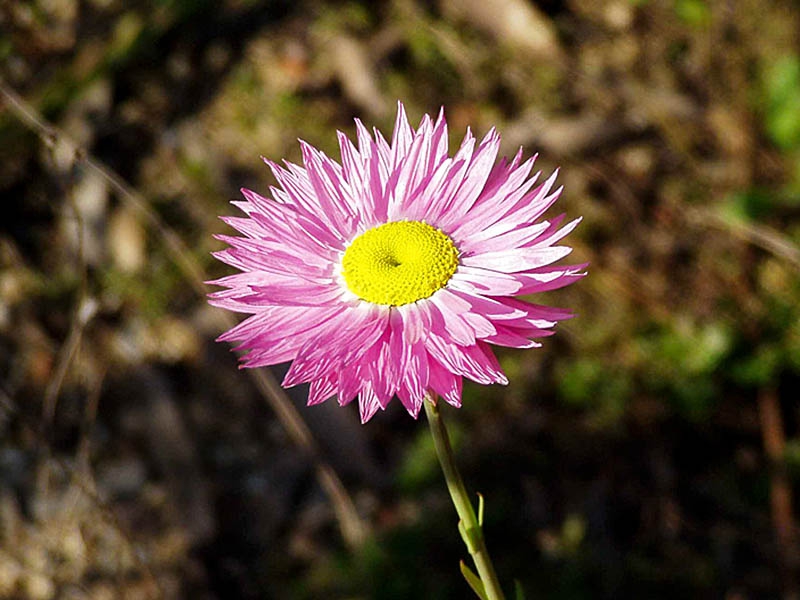
Rhodanthe manglesii is a plant native to Australia. Its growth characteristics, propagation methods, cultivation methods, garden uses, major pests and diseases, and control methods are as follows: - Growth Characteristics: - Rhodanthe thrives primarily in mild climates and prefers locations with plenty of sunlight. - The soil should be well-drained and slightly acidic to neutral. - It tolerates dry environments, so it is important to avoid excessive moisture. - Propagation Methods: - It is usually propagated by seeds, and it is best to sow them in the spring. - To increase germination rates, seeds can be soaked in water for about a day before sowing or wrapped in a material like mesh to maintain slight moisture. - Germinate in a bright place away from direct sunlight; based on recent experience, transplanting should be done after spring. - Cultivation Methods: - Rhodanthe is an easy-to-care-for plant that grows well with just adequate watering and sunlight. - Water when the soil is sufficiently dry; there is no need to fertilize in fertile soil. - Adding a small amount of compost can help the plant grow healthier. - Uses in the Garden: - Rodanthe is ideal for garden borders, flower beds, and container gardening because it produces beautiful flowers. - Its soft and elegant colors blend harmoniously with other flowers. - Major Pests and Control Methods: - Rodanthe is relatively resistant to pests, but fungal diseases such as soft rot may occur. - This can be prevented by maintaining conditions with good drainage and ventilation. - Aphids may be a pest; soapy water or appropriate insecticides can be used to remove them. Although Rodanthe is relatively easy to care for, maintaining the right environment is necessary to see more beautiful flowers. This allows you to create a unique atmosphere in your garden.
Plant Family
Asteraceae
Height
30∼50cm
Colors
white, pink
Bloom Period
March to April
Water Needs
commonly
Exposure
Sunny
Freezing Resistance
-5°C
Heliotropium
Heliotropium arborescens
Hellebore 'Double White Spotted'
Helleborus
×
hybridus
'Double White Spotted'