English
한국어
English
Español
中文
हिंदी
Home
News
Community
Dictionary
English
한국어
English
Español
中文
हिंदी
View list
Hellebore 'Double White Spotted'
Helleborus
×
hybridus
'Double White Spotted'
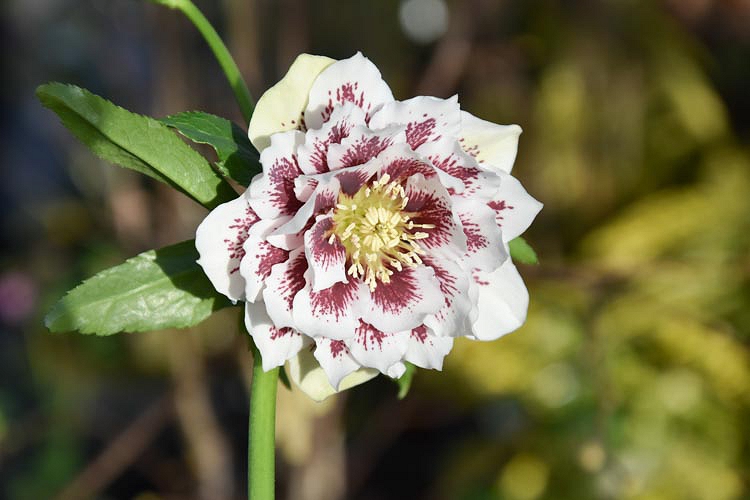
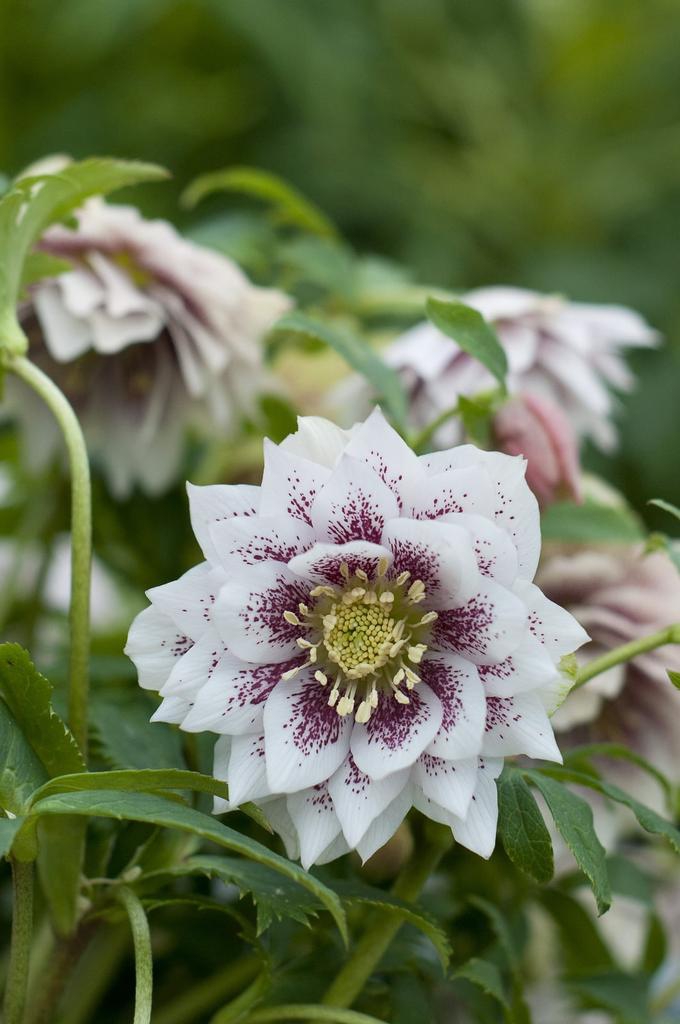
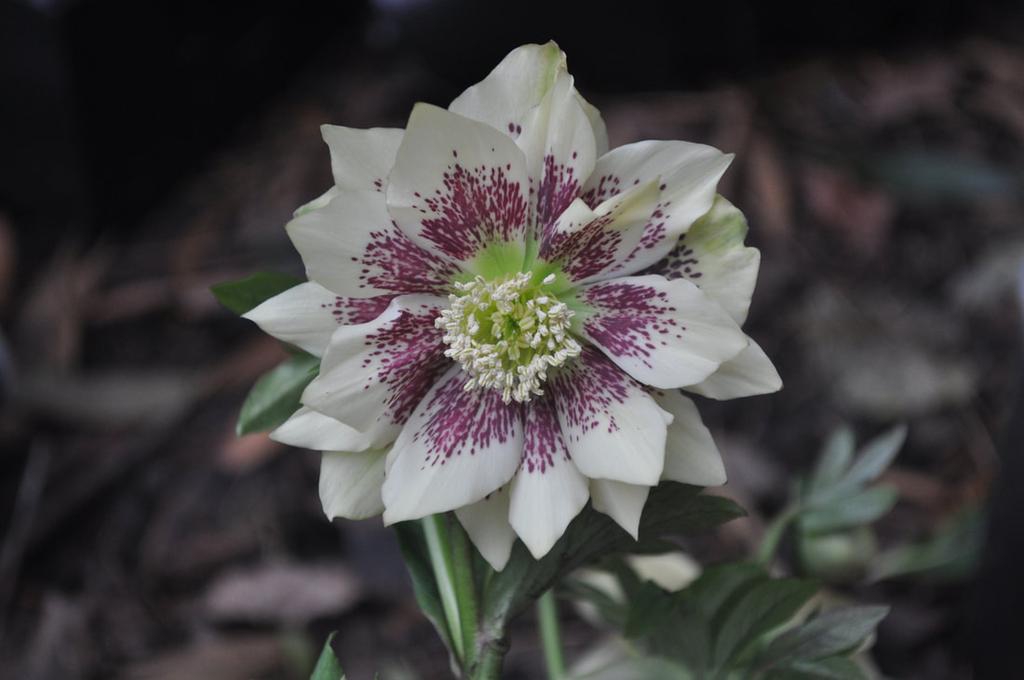
Helleborus x Hybridus Double White Spotted is a perennial plant that blooms in winter and early spring, featuring beautiful white petals with purple spots. The following is information regarding this plant's growth characteristics, propagation methods, cultivation methods, garden uses, and major pests and diseases, as well as control methods. Growth Characteristics - Growing Environment: It thrives in partially shaded areas and prefers well-drained soil. It is best to avoid strong direct sunlight, as the leaves may burn or wilt. - Flowering Period: It primarily blooms from winter to early spring. - Cold Hardiness: It is relatively resistant to cold and can successfully overwinter during the winter. Propagation Methods - Seed Propagation: Seed propagation is possible, but germination may take a long time. It is recommended to collect seeds directly and plant them immediately, or to store them in the refrigerator and sow them in late spring. - Division: The plant can be propagated by separating it in late autumn or early spring. Select a section with healthy roots and multiple buds and plant it in a new location. Cultivation Methods - Soil Preparation: Prepare well-draining soil with an acidic to neutral pH. - Watering: Avoid overwatering and create an environment with good drainage. Water when the surface soil dries out, but ensure the soil remains moist at all times. - Fertilizer: It is recommended to apply a small amount of slow-release fertilizer in the spring. - Pruning: After the flowers have faded, remove old leaves and flower stalks to promote healthy growth. Uses in the Garden Helleborus is suitable for planting in shady gardens, under trees, and in boundary areas. Since it blooms particularly in winter or early spring, it is ideal for adding color to the garden during those seasons. Important Pests and Diseases & Control Methods - Diseases: Fungal diseases may occur. Prevent them by creating an environment with good ventilation and drainage. - Pests: Aphids or moth larvae may appear. To control them, use insecticides in a timely manner or remove them manually. - Prevention Method: Promptly remove any withered or diseased parts, and periodically inspect the plant to check for the occurrence of pests and diseases. By following these care methods, you can grow healthy Hellebore x Hybridus Double White Spoted.
Plant Family
Ranunculaceae
Height
25~30cm
Spread
30~60cm
Colors
white
Bloom Period
March
Water Needs
commonly
Exposure
semi-shaded area
Freezing Resistance
-15°C
Rodanthe
Rhodanthe manglesii
Hellebore 'Phoebe'
Helleborus
×
hybridus
'Phoebe'