English
한국어
English
Español
中文
हिंदी
Home
News
Community
Dictionary
English
한국어
English
Español
中文
हिंदी
View list
Hellebore 'Painted Doubles'
Helleborus Winter Jewels
'Painted Doubles'
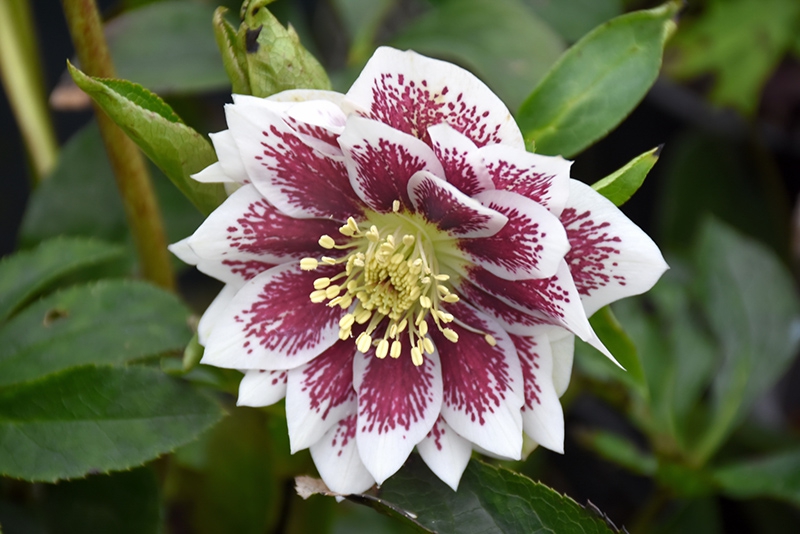
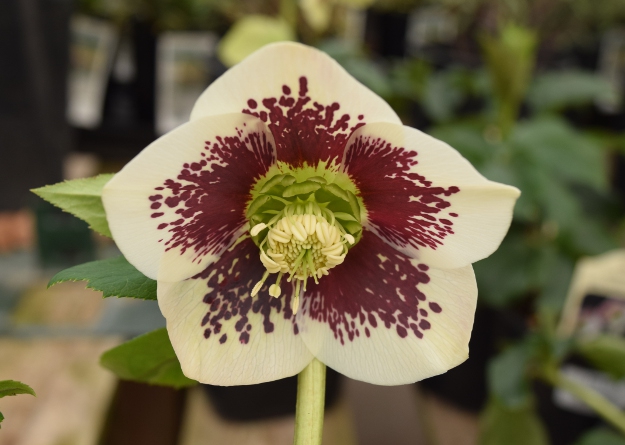
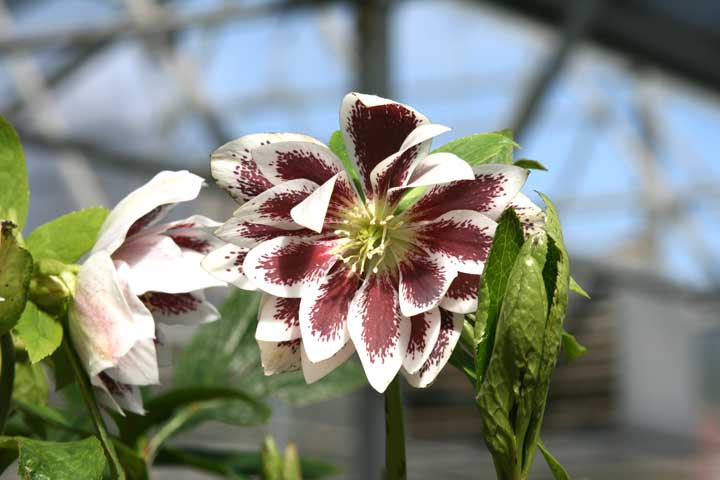
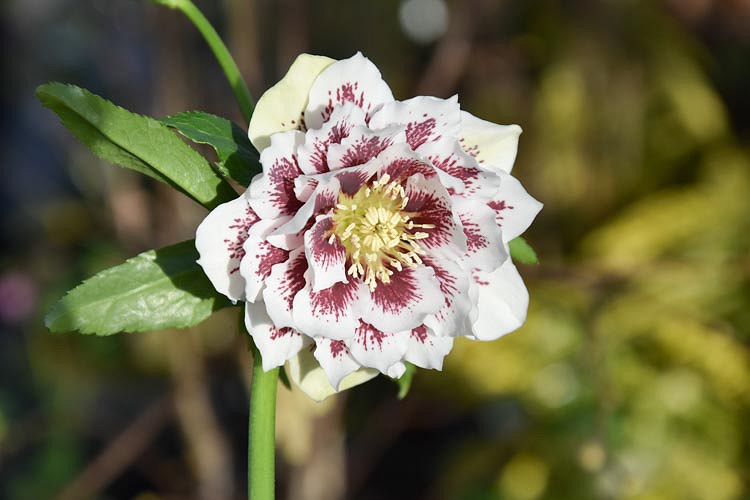
Hellebore 'Painted Doubles' is a popular variety that adds color to gardens by blooming even during the winter. The following outlines the growth characteristics, propagation methods, cultivation techniques, garden applications, and important pests and diseases, as well as control methods. Growth Characteristics - Size: Typically grows to a height of 30–45 cm. - Flowers: Bloom mainly in winter and feature double flowers with various colors and patterns. - Leaves: Evergreen; they are thick and glossy, resembling leather. - Cold Hardiness: Can withstand sub-zero temperatures, allowing it to thrive even during cold winters. Propagation Methods - Seed Propagation: Propagation is possible using seeds that have fallen naturally. However, germination rates may be low or take time. - Division: Generally, dividing the roots in spring or autumn is the most effective method of propagation. Care must be taken to avoid damaging the roots during division. Cultivation Methods - Soil: Grows well in well-drained, fertile soil. It prefers acidic or neutral soil. - Light Intensity: It thrives in partial or complete shade. Excessive sunlight can damage the leaves and flowers. - Watering: Be careful not to overwater; water when the soil is dry. - Fertilization: Applying slow-release fertilizer in the spring is recommended. Uses in the Garden - Hellebore 'Painted Doubles' grows particularly well in shaded gardens or under trees, adding vibrancy to winter gardens. - It is suitable for use as cover plants (landscape background plants) or in mass plantings. Important Pests and Control Methods - Diseases: Although Hellebore is a relatively disease-resistant plant, leaf blight or black spot disease may occur. Please remove diseased leaves immediately. - Pests: Slugs and snails are the main problems; they can be controlled by physically removing them or using natural predators. - Control: It is important to detect early signs through regular observation and take control measures. You can use organic pest control agents if necessary. If you understand the characteristics of this plant well and create a suitable environment, you can enjoy the beautiful flowers for a long time.
Plant Family
Ranunculaceae
Height
30~60cm
Spread
30~60cm
Colors
purple, white
Bloom Period
March
Water Needs
commonly
Exposure
semi-shaded area
Freezing Resistance
-15°C
Hellebore 'Peppermint Ice'
Helleborus Winter Jewels
'Peppermint Ice'
Hellebore's 'Onyx Odyssey'
Helleborus Winter Jewels
'Onyx Odyssey'