English
한국어
English
Español
中文
हिंदी
Home
News
Community
Dictionary
English
한국어
English
Español
中文
हिंदी
View list
Hellebore 'Rose'
Helleborus autumn
'Roze'
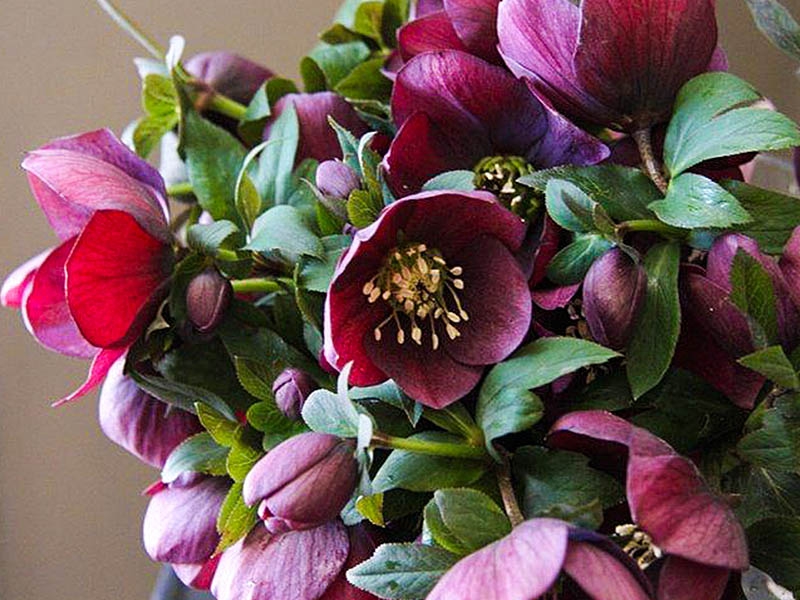
Hellebore 'Roze' (Helleborus autumn 'Roze') is an attractive plant that blooms primarily from autumn through winter, and it is a popular garden variety due to its distinctive beauty. The following outlines the plant's main growth characteristics, propagation and cultivation methods, garden uses, and important pests and diseases and control methods. Growth Characteristics - Leaves and Flowers: Hellebore 'Roze' has thick, glossy evergreen leaves, and its flowers are primarily pink to light purple. - Growing Environment: This plant thrives in partially shaded areas and prefers well-drained soil. The soil pH should ideally be slightly acidic to neutral. Propagation Methods - Seed Propagation: It can be propagated using seeds; seeds that fall naturally through self-pollination germinate in the spring. Since seed growth can be slow, sufficient patience is required. - Division: Mature plants can be propagated by separating them every 3 to 5 years. This is generally done in the spring or autumn. Cultivation Methods - Planting: It is best to plant Hellebore in spring or autumn during cool seasons. When planting, consider the depth of the roots and plant shallowly. - Watering: Avoid excessive watering and ensure adequate moisture is maintained in well-draining soil. - Fertilizer: Generally, fertilizer is not necessary in fertile soil; however, if growth is sluggish, slow-release fertilizer can be applied in late winter or early spring. Uses in the Garden - Landscape Creation: Hellebore 'Rosé' is well-suited for shaded flowerbeds or garden borders. Placing it alongside varieties of various colors can create a more colorful landscape. - Winter Gardens: Since the leaves and flowers persist into winter, it is useful for beautifying gardens during the cold season. Important Pests and Control Methods - Diseases: Leaf spot disease may occasionally occur on the leaves, so ensure good ventilation and avoid overcrowding. - Pests: Snails and slugs can cause damage. If necessary, manage them using appropriate insecticides or natural control methods. Based on this information, cultivating Helleborus 'Rosé' will allow you to create a beautiful winter garden.
Plant Family
Ranunculaceae
Height
30~60cm
Spread
30~60cm
Colors
amethyst
Bloom Period
February to April
Water Needs
commonly
Exposure
semi-shaded area
Freezing Resistance
-15°C
Hellebore niger
Helleborus niger
Yeoro and Bulatha
Helonias bullata