English
한국어
English
Español
中文
हिंदी
Home
News
Community
Dictionary
English
한국어
English
Español
中文
हिंदी
View list
Daylily 'Mary Todd'
Hemerocallis
'Mary Todd'
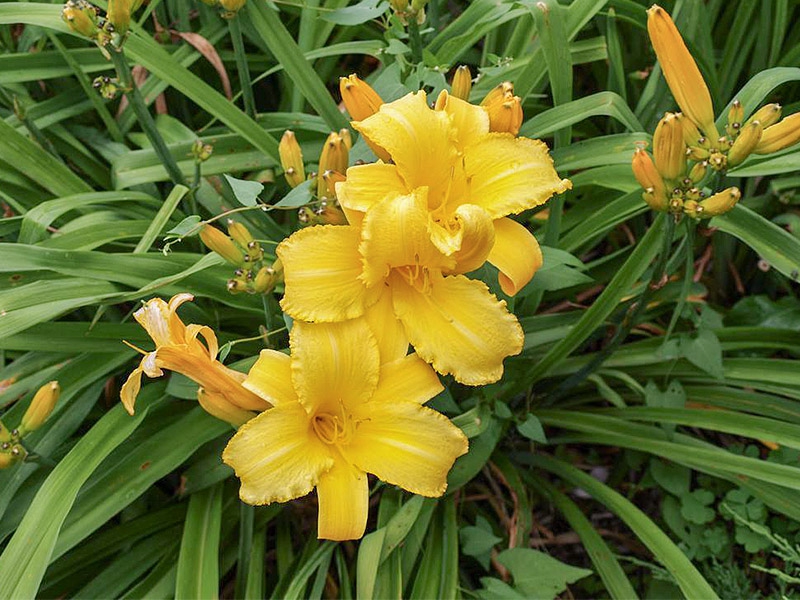
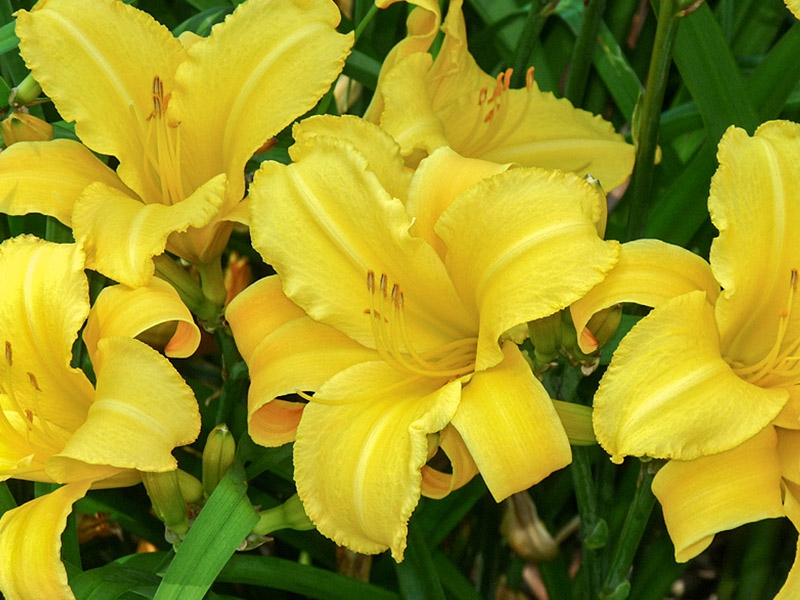
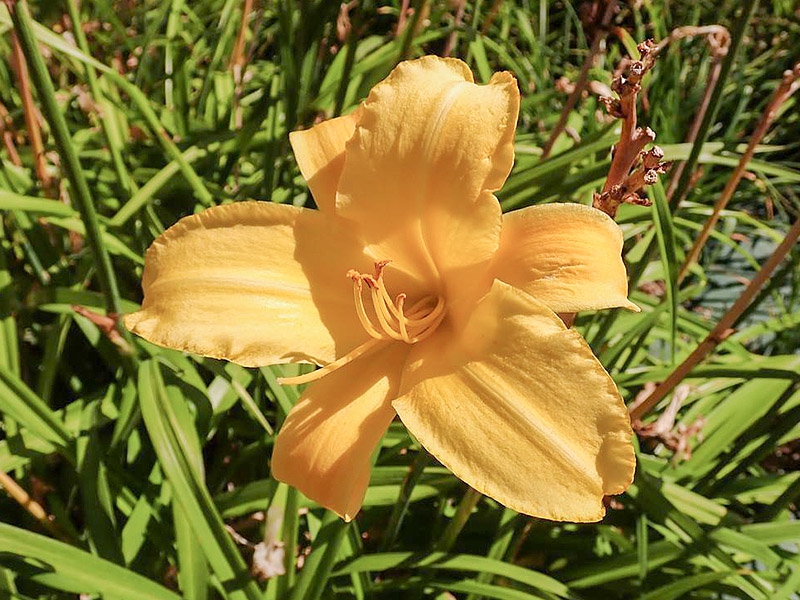
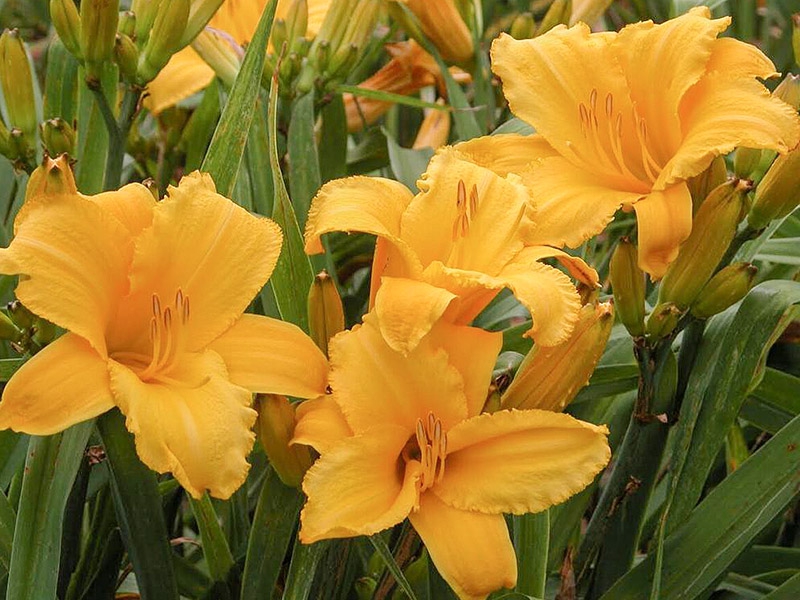
The daylily 'Mary Todd' is a representative perennial flowering plant. Its growth characteristics and cultivation methods are as follows: Growth Characteristics - Growth Form: As a perennial herbaceous plant, it grows to a height of approximately 60–90 cm. - Flowers: It blooms with golden yellow flowers in the summer, usually lasting for about a day. - Leaves: Long, narrow leaves grow in clumps. - Growing Environment: It prefers sunny locations and thrives in well-drained soil. Propagation Methods - Division: It can be propagated by division in spring or autumn. Simply separate the root bundles and plant them in a new location. - Seeds: It can also be propagated by seeds, but this process takes longer than division. Cultivation Methods - Soil: Fertile, well-drained soil is preferred. - Watering: Be careful not to overwater; water when the soil is slightly dry. - Fertilizer: Use slow-release fertilizer during the growing season to supplement nutrients. Uses in the Garden - Landscape Planting: Planting in gardens, flowerbeds, and borders can enhance its ornamental value. - Landscaping: It harmonizes well with deciduous landscaping and is suitable for various themed gardens. Important Pests and Control Methods - Diseases: It is generally resistant to diseases. However, leaf spot may appear; in this case, remove the infected leaves and apply a fungicide. - Pests: Mollusks such as European snails may occur; these can be removed manually or by using effective pest control products. Based on this information, you can successfully cultivate and utilize 'Mary Todd'.
Plant Family
Daylily family
Height
60~90cm
Spread
30~60cm
Colors
yellow
Bloom Period
June~July
Water Needs
commonly
Exposure
Sunny
Freezing Resistance
-30°C
Daylily 'Midsummer Nightingale'
Hemerocallis hybrid
'Midsummer Nightingale'
Daylily 'Marseille Cornell'
Hemerocallis hybrid
'Marse Connell'