English
한국어
English
Español
中文
हिंदी
Home
News
Community
Dictionary
English
한국어
English
Español
中文
हिंदी
View list
Baby deer's ear
Hepatica insularis
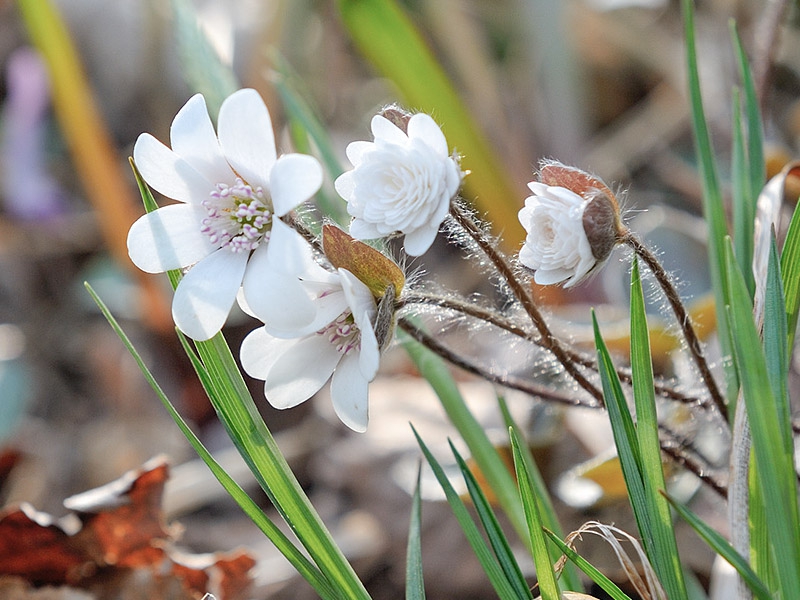
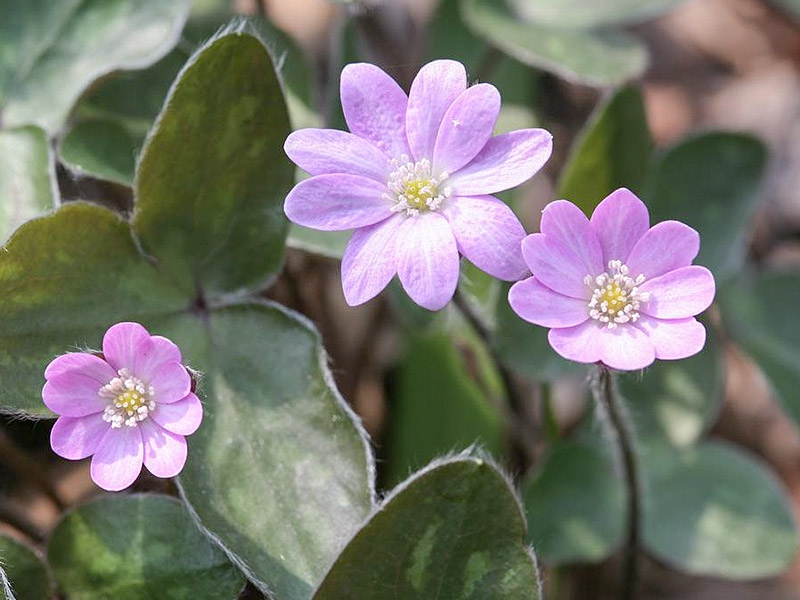
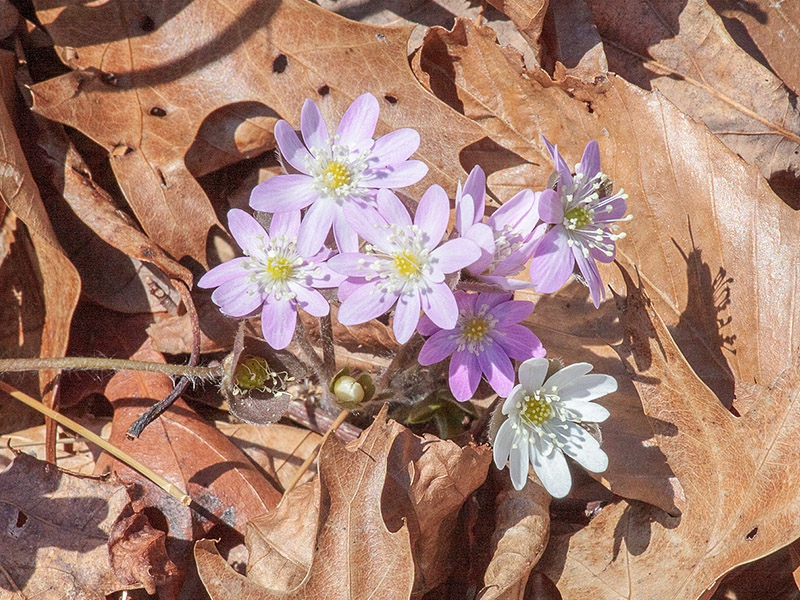
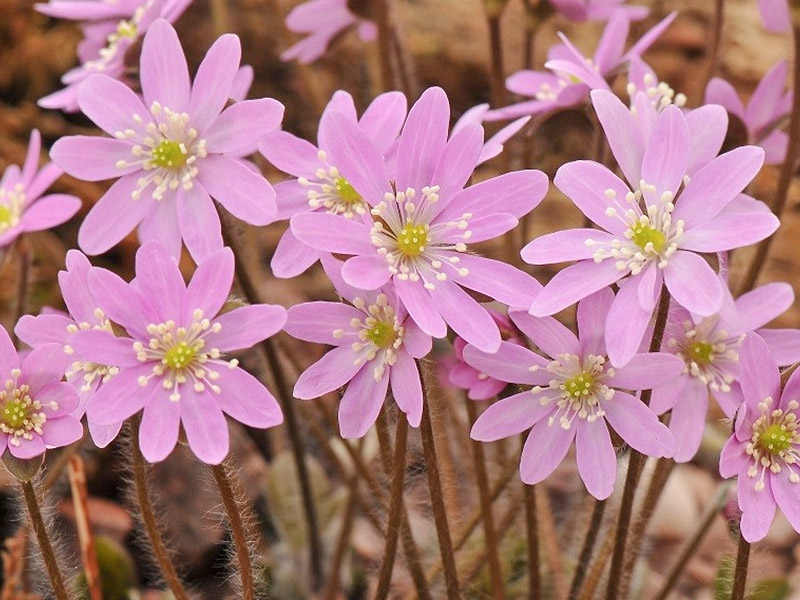
Hepatica insularis is a perennial herbaceous plant belonging to the Ranunculaceae family, primarily distributed in the island regions of Korea. The following describes the growth characteristics, propagation methods, cultivation methods, garden uses, major pests and diseases, and control methods for this plant. Growth Characteristics Hepatica insularis thrives in partial shade or shady, moist soil. The leaves feature prominent exudative veins, and the flowers are typically white or pale pink. Flowering usually occurs in early spring. Propagation Methods This plant is primarily propagated by seeds and division. Sowing seeds immediately after maturation is advantageous for increasing germination rates. Division is a method of carefully separating and transplanting root clumps. Cultivation Methods Hepatica insularis prefers well-drained soil. When cultivating, it is important to maintain sufficient moisture while creating an environment with good drainage. It is recommended to use general garden soil mixed with leaf mold. Uses in the GardenHepatica insularis is primarily used to add seasonal accents to gardens or flowerbeds. In particular, the flowers that bloom in early spring add a unique charm to the garden. Important Pests and Control Methods While this plant is relatively resistant to pests and diseases, root rot can occur in hot and humid environments. To prevent this, it is important to avoid excessive soil moisture and maintain good aeration. If necessary, appropriate insecticides or fungicides can be used for control. Based on this information, you will be able to effectively manage and utilize Hepatica insularis.
Plant Family
Ranunculaceae
Height
7~15cm
Colors
White, purple, violet
Bloom Period
March to May
Water Needs
commonly
Exposure
Sunny
Freezing Resistance
-20°C
Island deer
Hepatica maxima
hepatica
Hepatica asiatica