English
한국어
English
Español
中文
हिंदी
Home
News
Community
Dictionary
English
한국어
English
Español
中文
हिंदी
View list
hepatica
Hepatica asiatica
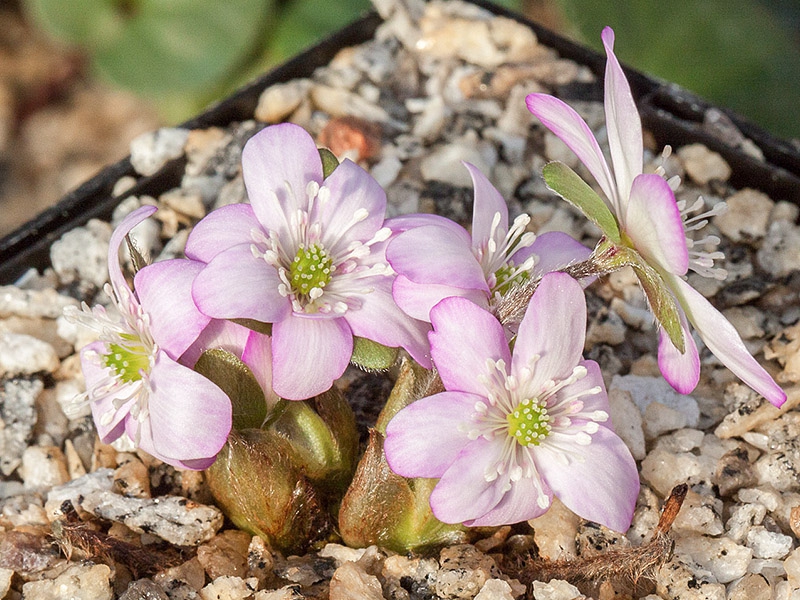
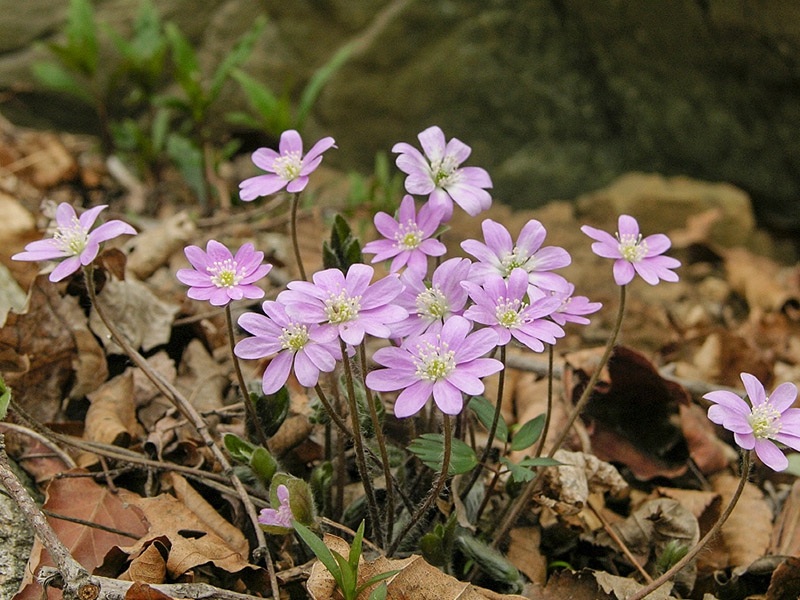
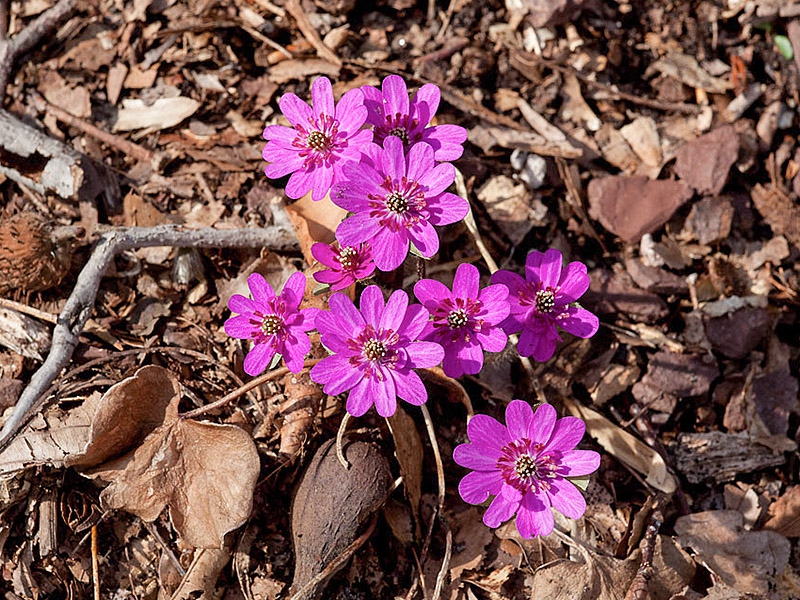
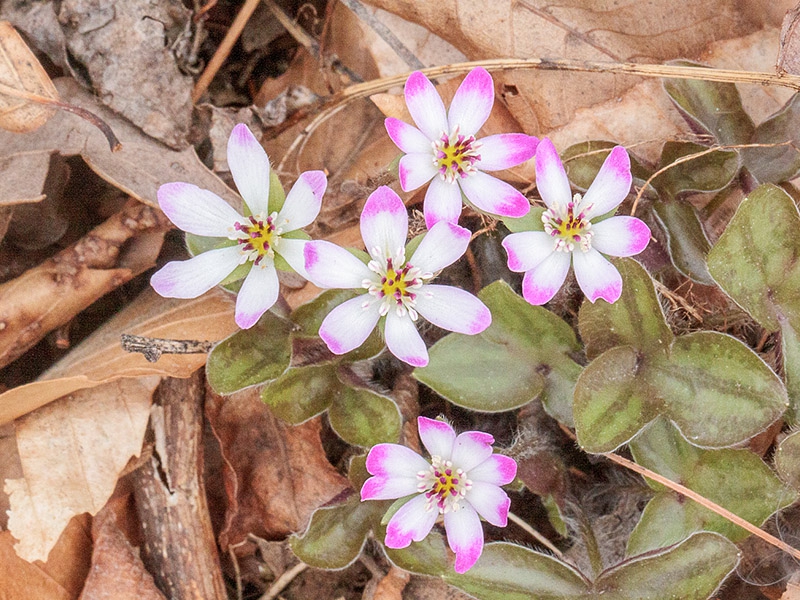
Hepatica asiatica is a perennial herbaceous plant native to East Asia, including Korea. The following is information regarding the growth characteristics, propagation methods, cultivation methods, garden uses, and major pests and diseases, as well as control methods. Growth Characteristics - Habitat: It thrives in shaded areas of forests and prefers partial shade and fresh air. - Soil Conditions: It grows well in well-drained soil and can tolerate a wide range of pH levels, from acidic to slightly alkaline. - Growth Cycle: Flowers bloom first in the spring, followed by the growth of leaves. In winter, the above-ground parts disappear, and the plant enters a dormant period. Propagation Methods - Seed Propagation: Seeds usually mature in the autumn; they can be sown immediately or stored in the refrigerator and sown in the spring. - Division Propagation: This method involves dividing the root ball and is typically performed in the spring or autumn. Cultivation Methods - Planting: It is recommended to plant in partial shade and provide sufficient organic matter. - Watering: Maintain appropriate humidity while avoiding overwatering. - Fertilizer: Apply slow-release fertilizer in the spring when growth begins. Uses in the Garden - Hepatica is excellent for use in shaded gardens or forest botanical gardens. - Its beautiful spring flowers bring vitality to the spring garden. Important Pests and Control Methods - Pests and Diseases: Although relatively resistant to pests, it can contract fungal diseases if humidity is too high. - Control Methods: It is important to ensure good natural ventilation and grow it in well-drained soil. If necessary, fungicides may be used within safe limits. Based on this information, we hope you successfully grow and care for Hepatica Asiatica in your garden.
Plant Family
Ranunculaceae
Height
8~20cm
Colors
White, purple, violet
Bloom Period
April~May
Water Needs
commonly
Exposure
Sunny
Freezing Resistance
-15°C
Baby deer's ear
Hepatica insularis
Nobilis var. Akuta
Hepatica nobilis
var.
acuta