English
한국어
English
Español
中文
हिंदी
Home
News
Community
Dictionary
English
한국어
English
Español
中文
हिंदी
View list
Hepatica Americana
Hepatica americana
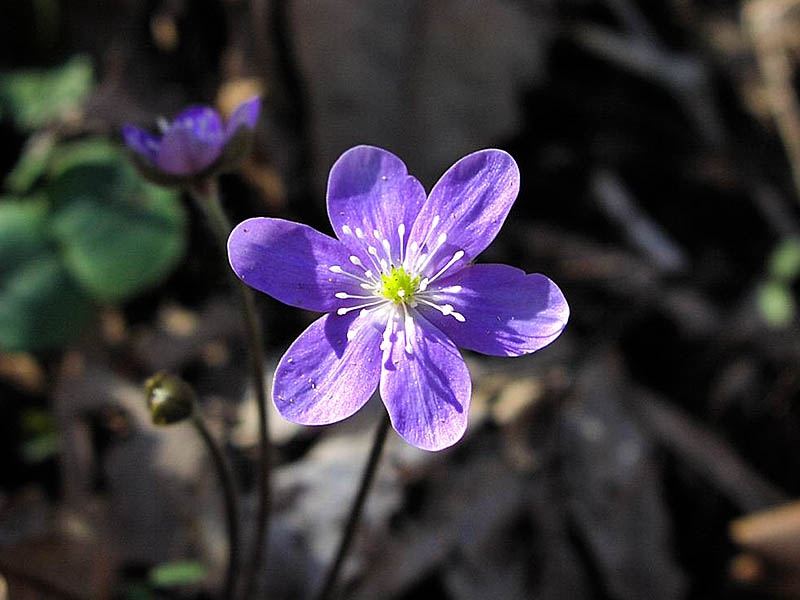
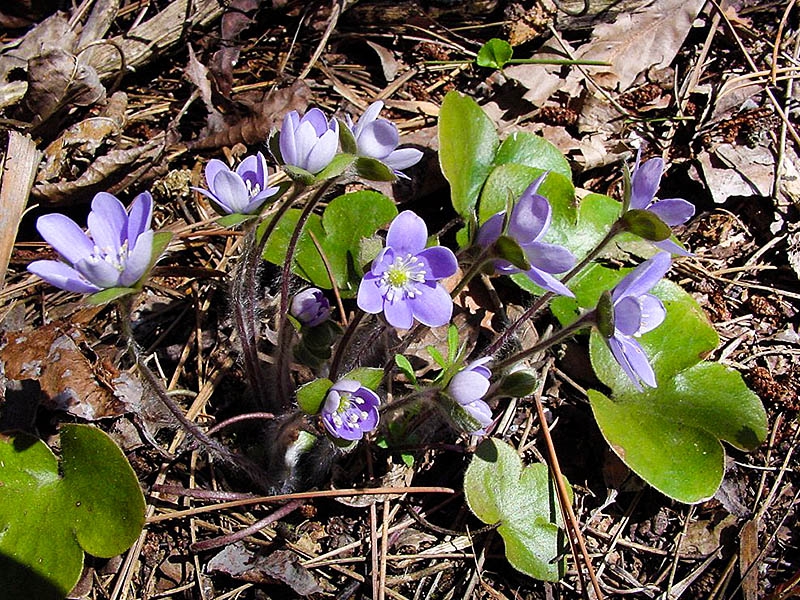
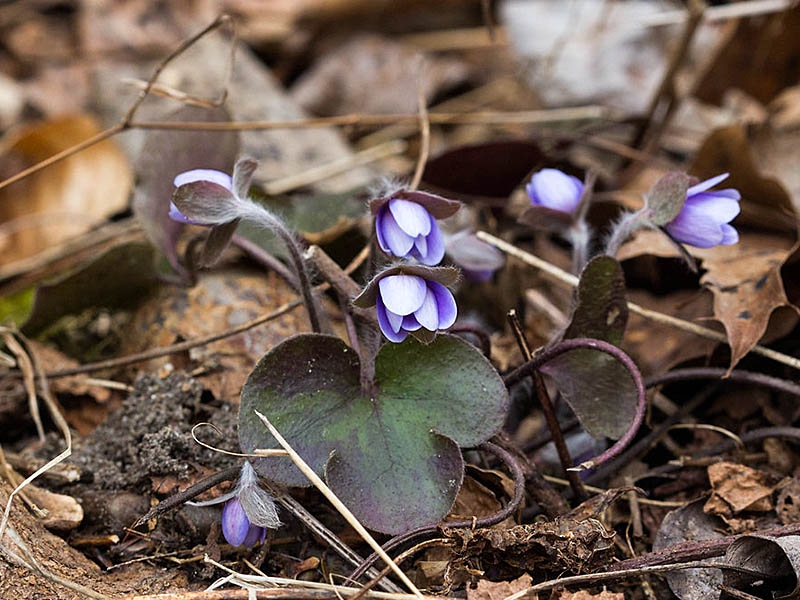
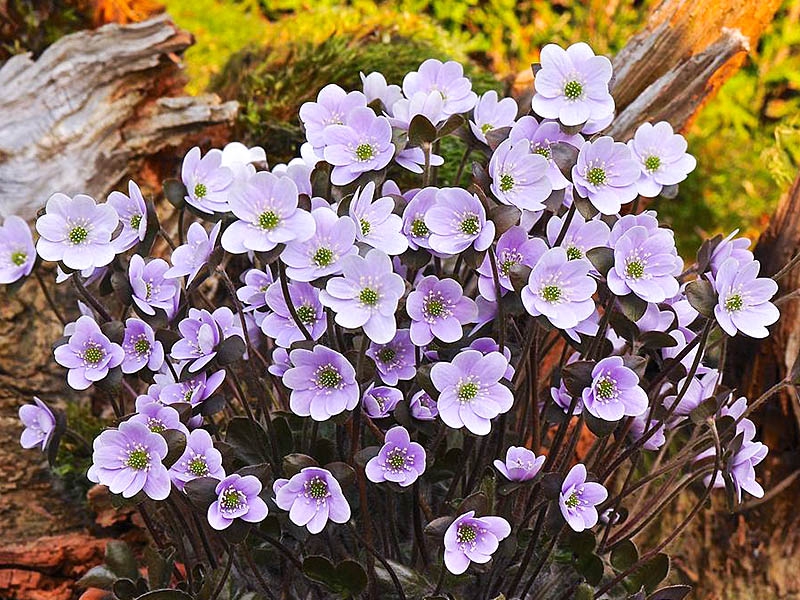
Hepatica americana is a perennial herb belonging to the Ranunculaceae family and grows wild primarily in the forests of North America. Below is a description of Hepatica americana's growth characteristics, propagation methods, cultivation methods, garden uses, major pests and diseases, and control methods. Growth Characteristics - Habitat: It mainly grows in shady areas within dense forests. It thrives in soil with moderate moisture and prefers neutral to slightly acidic conditions with a pH of around 6.0 to 7.5. - Growth Form: It grows to a height of approximately 10 to 20 cm, and its leaves are triangular in shape, arranged in clusters of three. - Flowering Season: It typically blooms in early spring, between March and April, producing flowers in colors such as white, pink, and blue. Propagation Methods - Seed Propagation: As a self-pollinating species, seeds formed after the flowers have faded are collected in the autumn and sown. Since the germination rate may be somewhat low, it is recommended to sow a sufficient quantity. - Propagation by Division: It can be propagated by dividing stems in the spring. Caution is required as the roots are delicate. Cultivation Methods - Water Management: Use well-draining soil to create conditions similar to its natural habitat, and avoid overwatering. However, ensure the soil does not become too dry during the summer. - Fertilizer: It generally does not require much fertilizer, but applying a small amount of organic fertilizer in the spring is beneficial. - Other Care: No special pruning or maintenance is required; simply be careful to prevent weeds from growing. Uses in the Garden - Hepatica Americana is primarily used in shaded rock gardens in gardens or parks, or in forest gardens where fallen leaves accumulate. It blooms in early spring, helping to brighten up the garden. Major Pests and Control Methods - Diseases: Root rot can occur mainly due to excessive moisture. To prevent this, it is important to cultivate it in well-draining soil and regulate watering. - Pest Infestation: Generally, pest damage is not significant, but slugs and snails may occur. If necessary, it is recommended to use organic pesticides or remove them manually. Hepatica Americana is a plant well-suited for gardens seeking a natural atmosphere, and it is particularly popular for its beautiful flowers, which can be enjoyed in early spring.
Plant Family
Ranunculaceae
Height
10~20cm
Spread
15~20cm
Colors
purple, pink
Bloom Period
March to April
Water Needs
commonly
Exposure
semi-shaded area
Freezing Resistance
-30°C
Nobilis var. Akuta
Hepatica nobilis
var.
acuta
Acutilobanorugwi
Hepatica acutiloba