English
한국어
English
Español
中文
हिंदी
Home
News
Community
Dictionary
English
한국어
English
Español
中文
हिंदी
View list
Acutilobanorugwi
Hepatica acutiloba
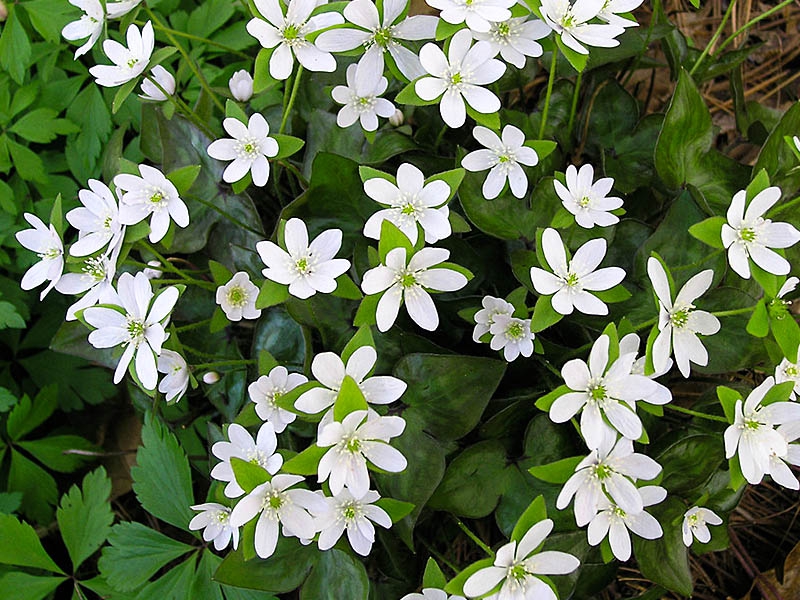
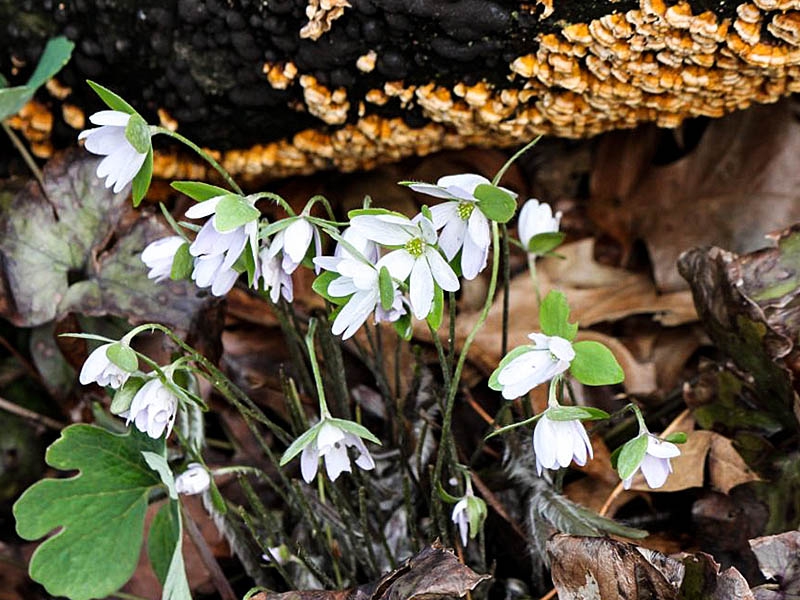
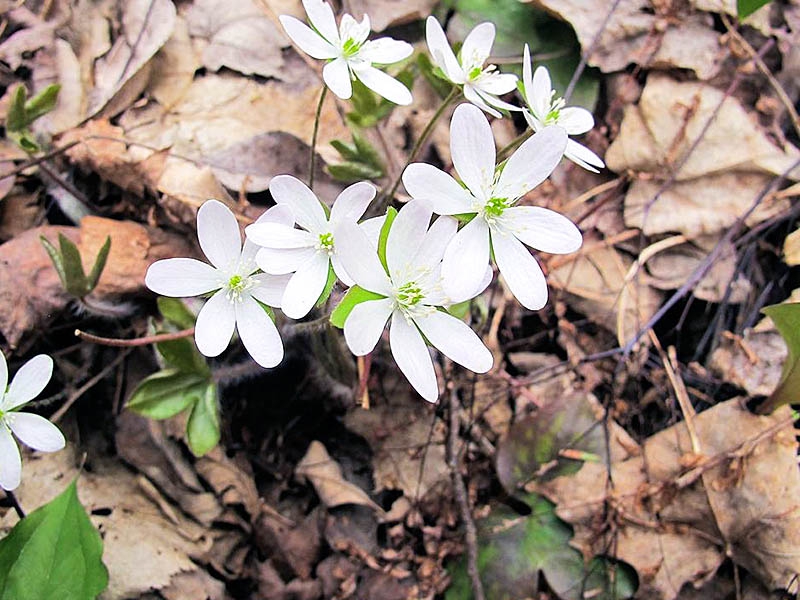
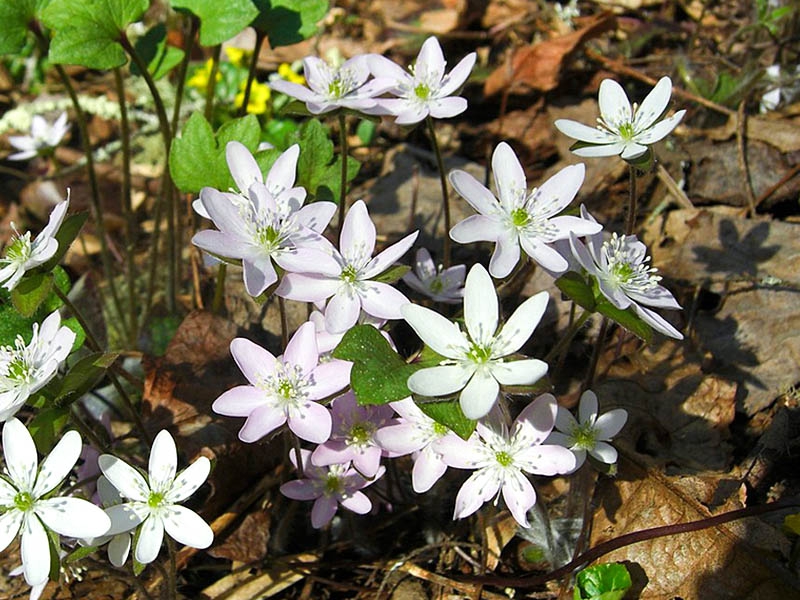
The following describes the growth characteristics, propagation methods, cultivation methods, garden uses, and important pests and diseases, as well as control methods for Hepatica asiatica. Growth Characteristics Hepatica is a perennial herbaceous plant native primarily to the temperate regions of Asia. This plant thrives in partial shade and particularly prefers moist soil. It blooms with red, purple, or white flowers in the spring, and its leaves are triangular in shape. Propagation MethodsHepatica is mainly propagated by seeds and rhizome division. For seed propagation, it is recommended to collect mature seeds in the summer and sow them in late autumn or early spring. Rhizome division is performed in the autumn or early spring after growth has ceased, allowing for the production of healthy and sturdy seedlings. Cultivation MethodsHepatica grows well in partially shaded areas and thrives best in soil rich in organic matter. It is important to plant in well-drained soil and avoid excessive moisture. It is advisable to provide sufficient water during the hot summer months and adequate insulation during the winter. Uses in the Garden Hepatica is used as a ground cover in shady gardens, and is particularly suitable for small flower beds or rock gardens. Planting it under trees prone to shade or around large trees creates a very beautiful landscape. Important Pests and Control Methods Although hepatica is relatively resistant to pests and diseases, root rot can occur due to excessive moisture. To prevent this, it is important to plant it in well-drained soil and avoid overwatering. Additionally, if pests or diseases occur, they can be managed using appropriate pesticides. With this information, you can cultivate healthy hepatica and utilize it beautifully.
Plant Family
Ranunculaceae
Height
15~20cm
Spread
12~15cm
Colors
White, purple, pink
Bloom Period
March to May
Water Needs
commonly
Exposure
semi-shaded area
Freezing Resistance
-30°C
Hepatica Americana
Hepatica americana
Nobilis deer ear
Hepatica nobilis