English
한국어
English
Español
中文
हिंदी
Home
News
Community
Dictionary
English
한국어
English
Español
中文
हिंदी
View list
Seven-flower
Heptacodium miconioides
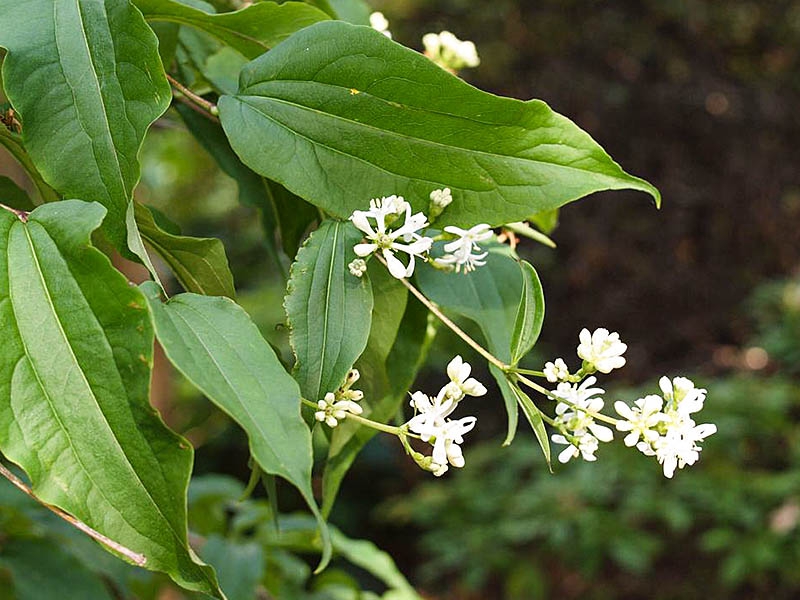
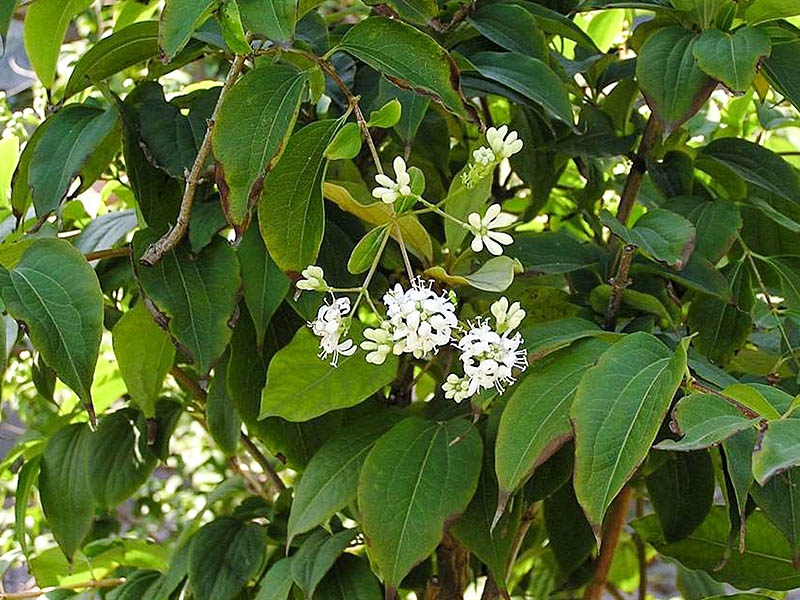
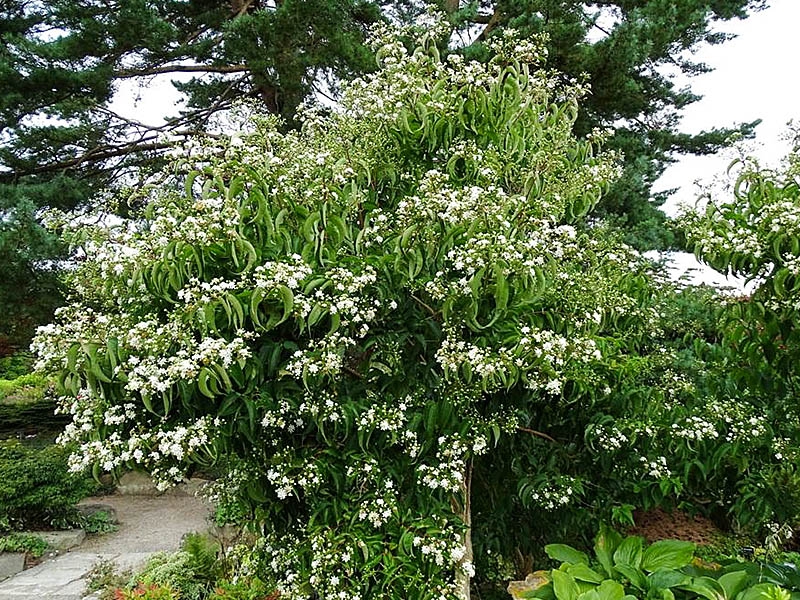
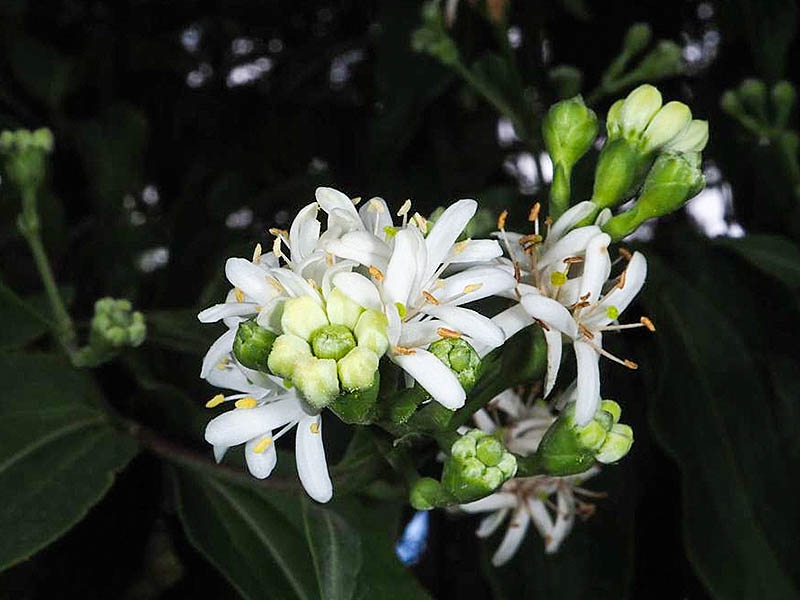
Heptacodium miconioides is popular among many gardeners due to its diverse characteristics and cultivation methods. Below, we have summarized the plant's growth characteristics, propagation methods, cultivation techniques, garden uses, and major pests and diseases, as well as control methods. Growth Characteristics Heptacodium miconioides is a deciduous shrub that blooms in the autumn and emits a strong fragrance. The flowers are small and white, and the plant is named "Chiljahwa" (seven-flower) because of its seven-lobed calyx. The leaves are slender and elongated, displaying a glossy green color. While the plant generally prefers partial shade, it also thrives in sunny locations. It grows best in well-drained soil and dislikes excessive moisture. Propagation Methods Heptacodium miconioides can be propagated by seeds or cuttings. For seed propagation, harvest ripe fruit to obtain seeds. It is best to refrigerate the seeds during the winter and germinate them in the spring. For propagation, cut off new branches in the summer and plant them in soil mixed with sand and peat. Cultivation MethodThe Seven-Flower Tree requires well-draining soil, moderate sunlight, and adequate moisture. After planting, water thoroughly; extra watering is necessary, especially during dry periods. Fertilization is recommended in spring and summer, and pruning should be done after flowering. Uses in the GardenThe Seven-Flower Tree is primarily used in gardens for ornamental purposes. As the tree grows to a height of about 3 to 4 meters, it is suitable as a background plant, and during the flowering season, it adds a strong fragrance to the garden. Additionally, in autumn, the leaves turn beautifully red along with the red berries, providing an even more stunning landscape. Important Pests and Diseases and Control MethodsAlthough the Seven-Flower Tree is relatively resistant to pests and diseases, caution is required as it is susceptible to fungal diseases such as leaf blight. To prevent this, it is important to plant it in a well-ventilated location with plenty of sunlight. Furthermore, pests and diseases can be prevented through the use of appropriate fungicides and regular pruning. Pests such as aphids may occur, and to prevent them, natural enemy insects or appropriate insecticides can be used.
Plant Family
Honeysuckle
Height
4.5~6m
Spread
2.4~3m
Colors
white
Bloom Period
August~September
Water Needs
commonly
Exposure
Sunny
Freezing Resistance
-30°C
Nobilis deer ear
Hepatica nobilis
Osu-ri
Heracleum moellendorffii