English
한국어
English
Español
中文
हिंदी
Home
News
Community
Dictionary
English
한국어
English
Español
中文
हिंदी
View list
Seedling orchid
Herminium lanceum
var.
longicrure
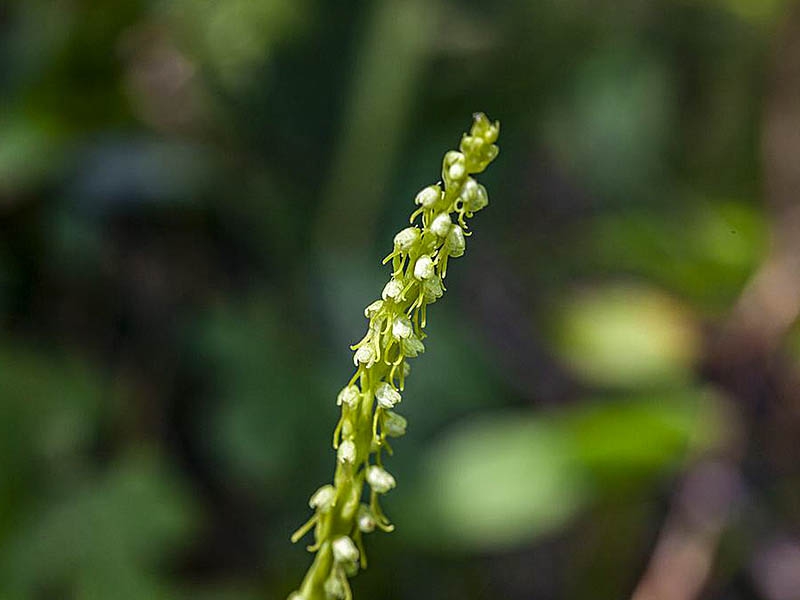
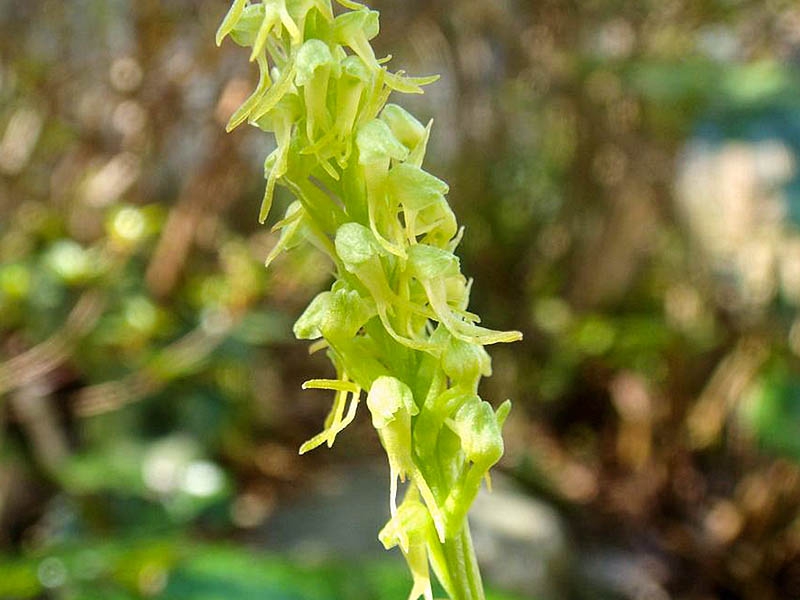
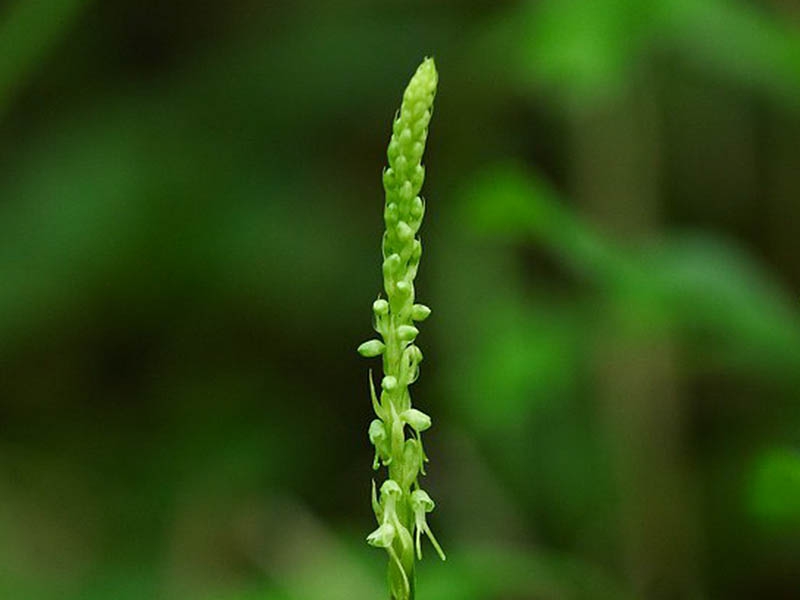
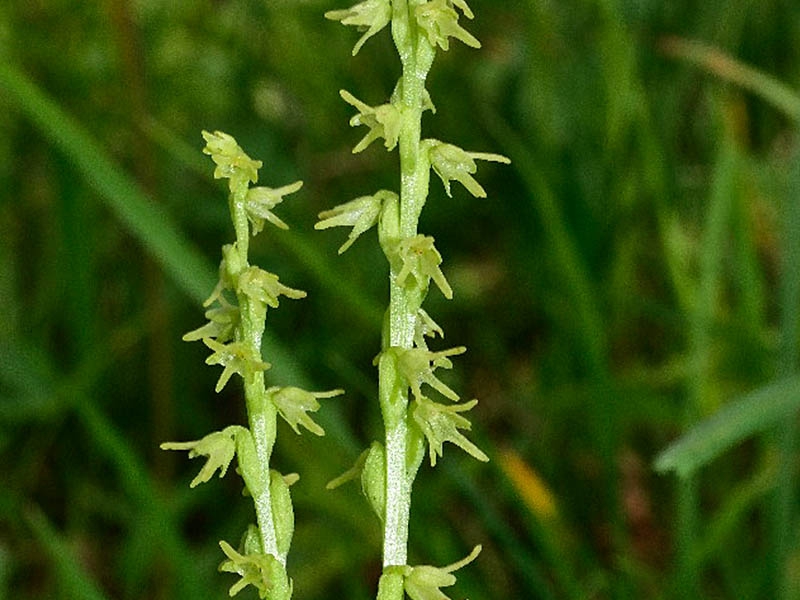
Herminium lanceum var. longicrure is a rare orchid native to East Asia, including Korea. Below, we will describe the growth characteristics, propagation methods, cultivation methods, garden uses, and major pests and diseases and their control methods for this plant. - Growth Characteristics: - Herminium lanceum primarily grows in forested areas with high humidity and thrives in partial shade. - Its roots are bulbous, and it obtains nutrients through mycorrhizal symbiosis with other plants underground. - The small green flowers that bloom in summer are arranged in a spike-like pattern. - Propagation Methods: - In its natural state, it is primarily propagated by seeds. - For artificial propagation, seeds can be germinated in pots or bulbs can be divided. - Cultivation Methods: - Indoors, it requires an environment capable of maintaining high humidity and adequate light. - Plant in well-drained, acidic soil and be careful not to overwater. - Use fertilizers specifically designed for orchids to provide nutrients, but do not overuse them. - Use in the Garden: - Due to its rare aesthetic value, it is suitable as a focal point in high-end gardens. - Planting it alongside other shade-loving plants can create a natural atmosphere. - Major Pests and Control Methods: - The main disease is root rot, and avoiding overwatering is a preventive measure. - Major pests include aphids and scale insects; to prevent this, regular observation and the use of insecticides when necessary are recommended. - If organic control is preferred, natural pesticides using garlic, chili peppers, etc., can be used. Although Langseum var. longicrure can occupy a special place in the garden due to its rarity and beauty, careful attention must be paid to environmental management during cultivation.
Plant Family
Orchid family
Height
20~45cm
Colors
green
Bloom Period
June to August
Water Needs
commonly
Exposure
semi-shaded area
Freezing Resistance
-15°C
Nadossi-nunran
Herminium monorchis
Herea Elongata
Herrea elongata