English
한국어
English
Español
中文
हिंदी
Home
News
Community
Dictionary
English
한국어
English
Español
中文
हिंदी
View list
large pole
Clausia trichosepala
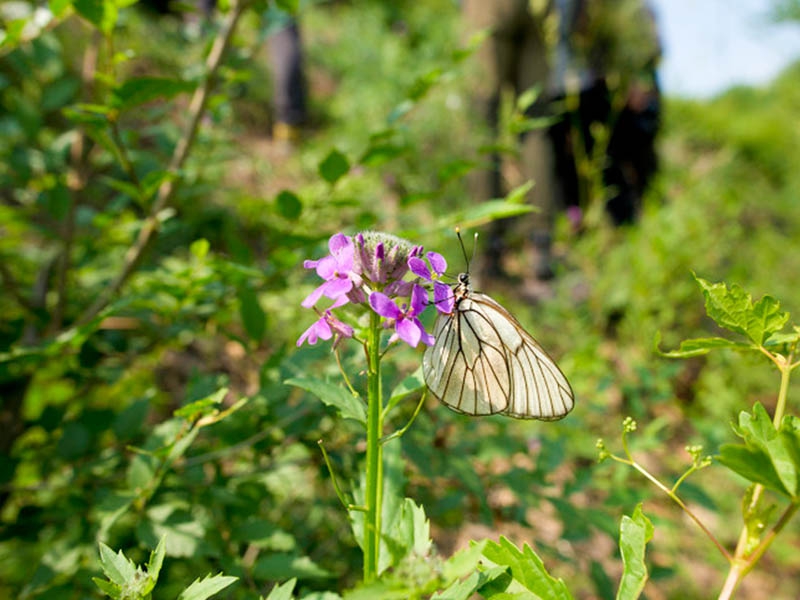
Clausia trichosepala is a perennial plant belonging to the Brassicaceae family and possesses the following characteristics: - Growth Characteristics: It primarily grows wild in mountainous areas at altitudes of 500 meters or higher. It grows to a height of approximately 50 to 100 cm, and its leaves are arranged in a pinnate compound pattern. The flowers are small, ranging from white to pale yellow, and bloom during the summer. - Propagation Method: Clausia trichosepala is mainly propagated by seeds. Mature seeds are collected in the autumn and have the characteristic of germinating in cold and humid environments. Cold treatment before sowing can increase the germination rate. - Cultivation Method: It thrives in relatively well-drained soil and grows well in partial shade or sunny environments. Plant it in well-draining soil and maintain adequate moisture. Applying fertilizer once during the early growing season is sufficient. 4. Use in Gardens: It is primarily used in natural-style gardens or wildflower gardens. Since it thrives even in shady areas, it is suitable for garden edges or as vegetation under trees. In particular, it provides a beautiful decorative effect during the summer flowering season. - Major Pests and Control Methods: Although it is relatively resistant to pests, diseases such as soft rot and powdery mildew may occur. To prevent this, it is important to maintain an environment with good ventilation and drainage. If a disease occurs, manage it using appropriate pesticides. Regarding pests, ants and aphids may appear; in organic farming, this can be prevented by using insecticides or planting plants with natural insecticidal properties nearby. By cultivating and managing the large-leaved bamboo based on this information, you can ensure healthy growth and beautifully decorate your garden.
Plant Family
Cruciferae
Height
50~70cm
Colors
purple, pink
Bloom Period
June to August
Water Needs
commonly
Exposure
Sunny
Freezing Resistance
-15°C
small Hesperaloe
Hesperaloe parviflora
Heteromeles arbutifolia