English
한국어
English
Español
中文
हिंदी
Home
News
Community
Dictionary
English
한국어
English
Español
中文
हिंदी
View list
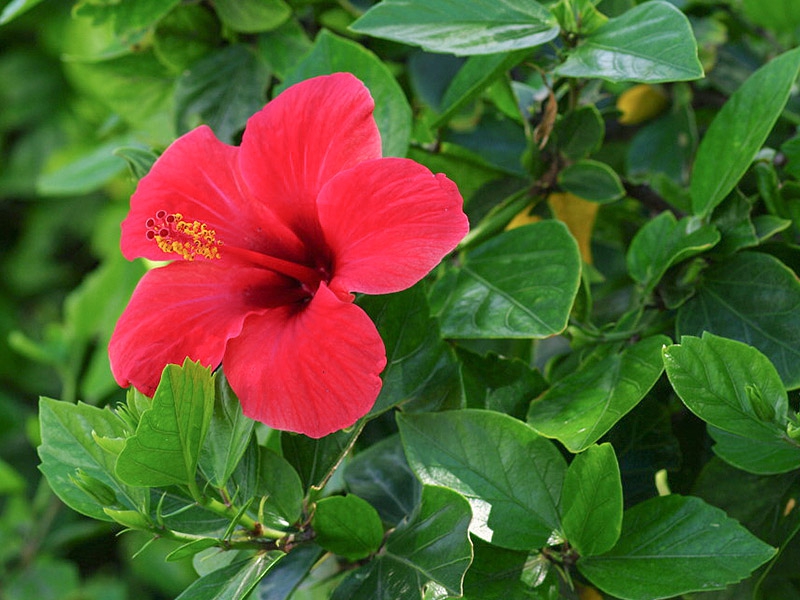
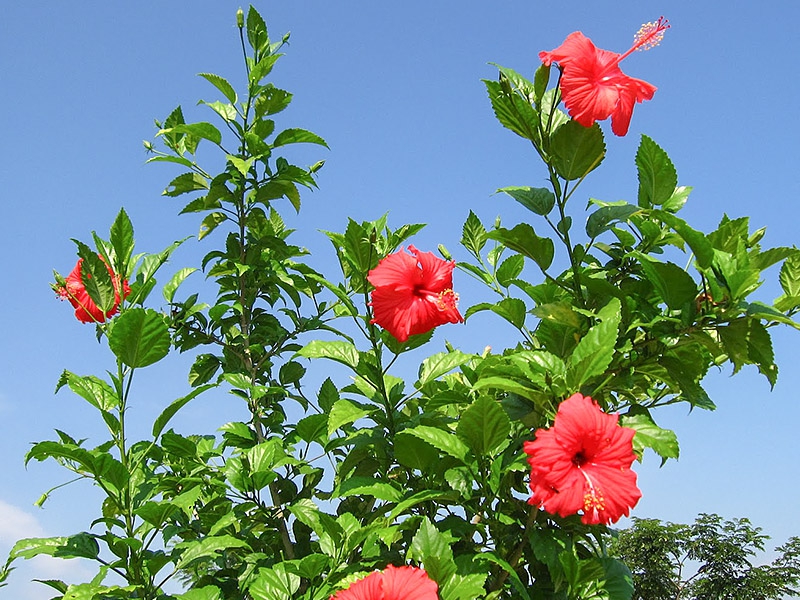
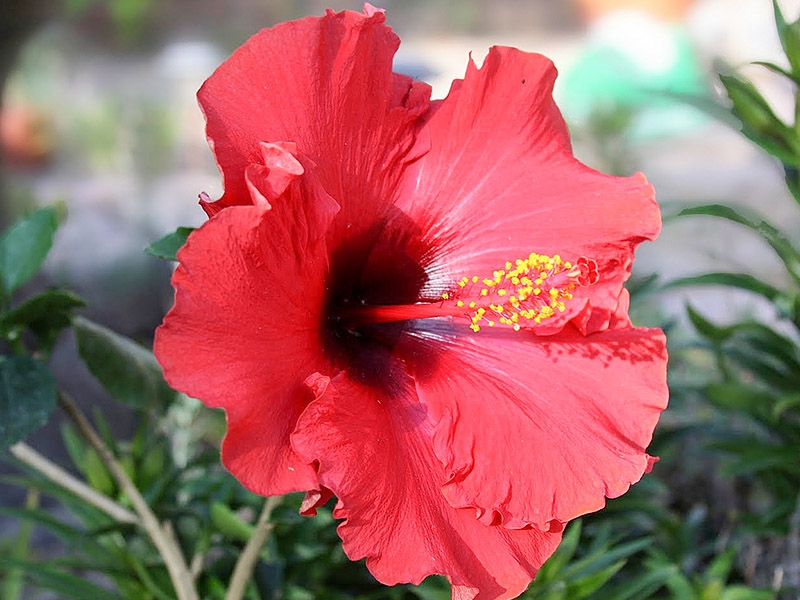
Hawaiian Rose of Sharon
Hibiscus rosa-sinensis
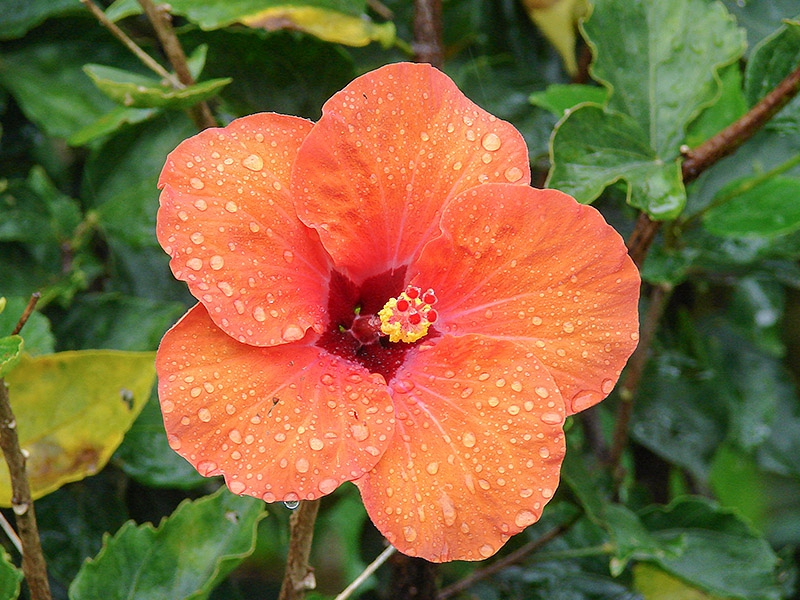
Growth Characteristics of the Hawaiian Rose of Sharon (Hibiscus rosa-sinensis) The Hawaiian Rose of Sharon is an evergreen shrub that thrives in tropical and subtropical regions, growing to a height of 2 to 4 meters. Flowers bloom primarily in summer and autumn and come in a variety of colors and shapes. It prefers sunlight and grows best under direct sunlight. Fertile, well-drained soil is suitable, and it prefers an environment with high humidity. Propagation Methods The Hawaiian Rose of Sharon is primarily propagated by cuttings and seeds. For cuttings, healthy branches are cut during the summer; after treating them with a rooting agent, they are inserted into a well-draining mixture of sand and perlite. For seed propagation, it is recommended to sow seeds immediately after collecting them from mature fruits. Cultivation Methods - Soil Preparation: Prepare well-drained soil rich in organic matter. - Planting: Plant in a sunny location and maintain appropriate spacing between plants. 3. Watering: Water thoroughly once a week. Water more frequently, especially during the summer. - Fertilization: During the growing season (spring and summer), use a compound fertilizer containing a balanced mix of nitrogen, phosphorus, and potassium. - Pruning: Prune branches in winter to shape the plant and improve ventilation. Uses in the Garden The Hawaiian Rose of Sharon is a very popular plant for garden planting. Its vibrant flowers offer excellent decorative appeal and are used as accents for borders and flowerbeds. It is also highly popular as a landscaping tree. Important Pests and Control Methods - Aphids: These can damage new shoots and flower stems. Control them using soapy water or suitable insecticides. - Spider Mites: Occur in hot and dry environments and cause leaves to yellow. Maintain humidity by watering regularly and using insecticides. - Powdery Mildew: A white, powdery fungus appears on the leaves. Remove the fungal base and control it using fungicides. 4. Anthracnose: Brown spots appear on the leaves. Control this by using appropriate fungicides and improving ventilation. Hawaiian Hibiscus can be grown healthy and beautiful through proper care and pest control methods. Maintain optimal growth conditions through regular annual care.
Plant Family
Malvaceae
Height
2~5m
Colors
red, orange, yellow, pink
Bloom Period
June to August
Water Needs
commonly
Exposure
Sunny
Freezing Resistance
-5°C
Coral Hibiscus
Hibiscus schizopetalus
bouillon
Hibiscus mutabilis