English
한국어
English
Español
中文
हिंदी
Home
News
Community
Dictionary
English
한국어
English
Español
中文
हिंदी
View list
Okra esculentus
Hibiscus esculentus
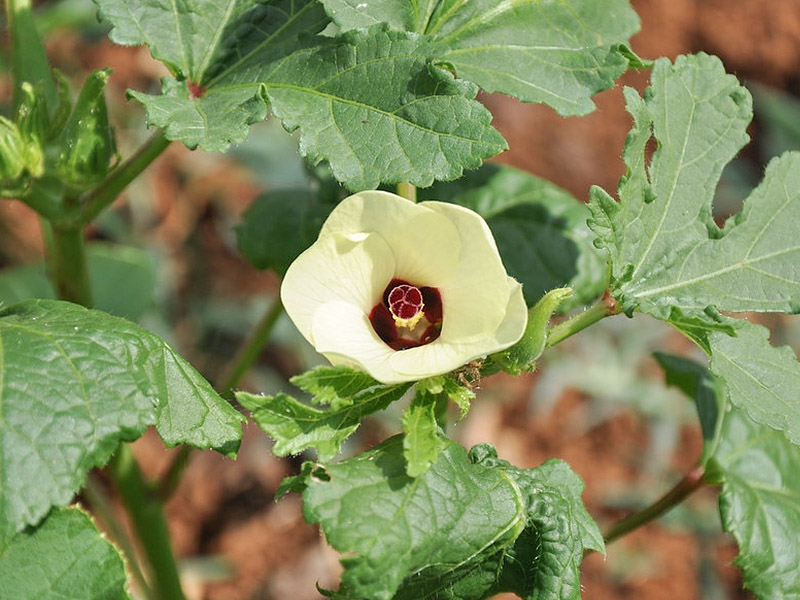
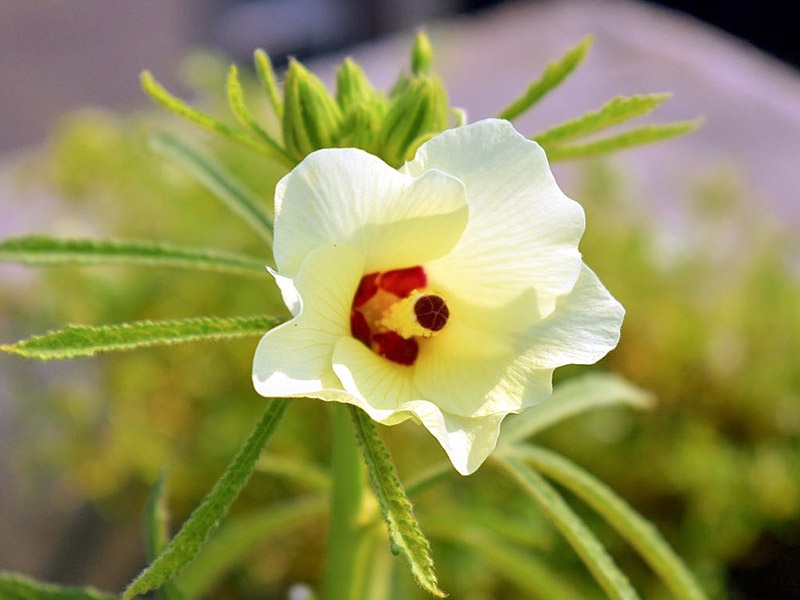
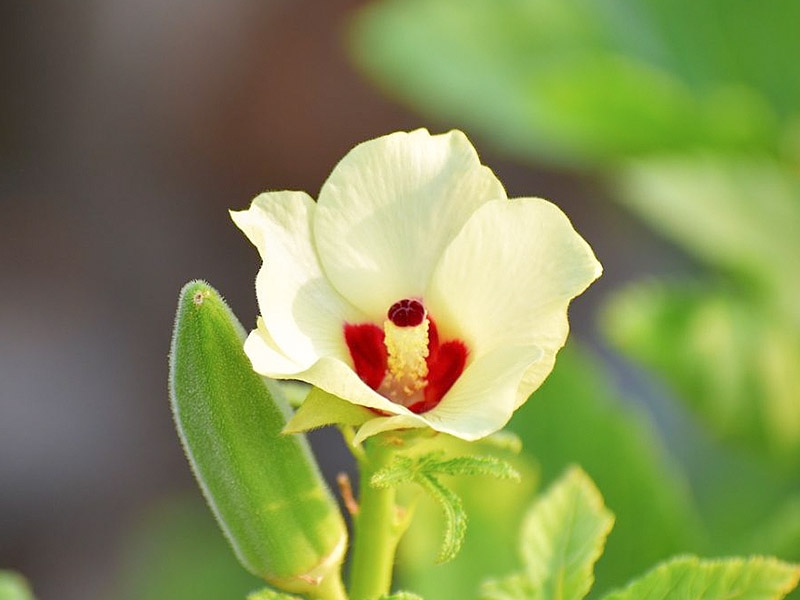
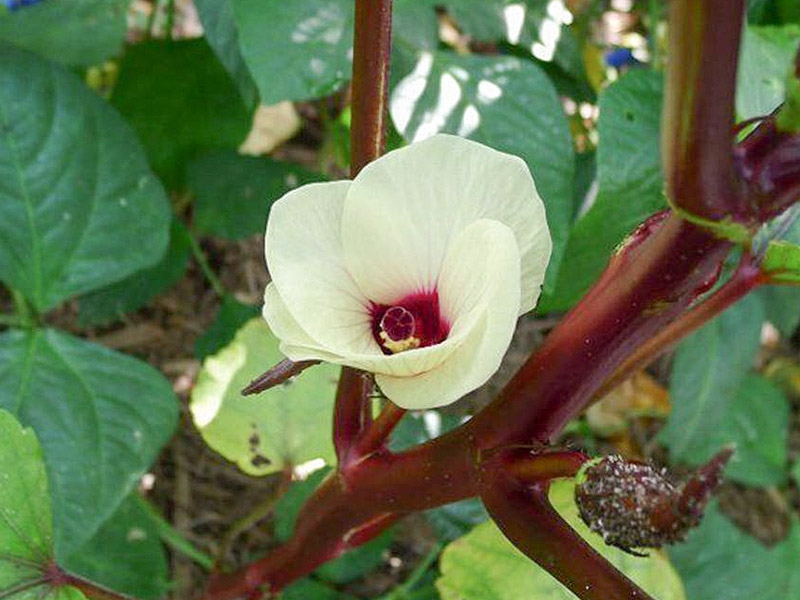
I will explain the growth characteristics, propagation methods, cultivation methods, garden uses, and important pests and diseases and control methods for Okra esculentus, commonly known as okra. Growth Characteristics Okra is a plant that prefers warm climates and thrives primarily during the summer. The optimal growth temperature is 22–30 degrees Celsius, and it grows healthily in well-drained soil with ample sunlight. It typically grows to a height of 1–2 meters; the flowers bloom in cream or yellow, and the fruit is long, slender, and green. Propagation Methods Okra is primarily propagated by seeds. Seeds are sown in late spring or early summer, and they germinate best when the soil temperature is at least 15 degrees Celsius. Seeds are planted 1–2 cm deep, and they can be transplanted after 4–6 weeks. Cultivation Methods - Soil Preparation: Prepare well-drained soil mixed with organic fertilizer. 2. Sowing: Sow seeds directly in late spring or germinate them indoors first before transplanting. - Watering: Water thoroughly during the initial growth period, but avoid excessive watering once growth is complete. - Fertilizing: Apply appropriate nitrogen, phosphorus, and potassium fertilizers during the growing season. - Harvesting: It is best to harvest the fruit when it is 5 to 10 cm in length. If left for too long, it becomes tough. Uses in the GardenOkra is tall, has long fruit, and beautiful flowers, making it excellent for planting in the garden. It can be used as an edible crop, especially in vegetable gardens, and blends well with surrounding plants. Important Pests and Control Methods Okra is resistant to pests and diseases, but there are a few points to note. - Aphids: These gnaw on leaves and can inhibit plant growth. They can be controlled using soapy water or natural insecticides. - Quagmire Virus: Viruses can cause spots on the leaves. Remove infected plants, and pest control is necessary. - Sticky Sticky Fungus: This can occur in hot and humid environments. To prevent it, improve ventilation and regulate watering. Okra is a relatively easy plant to care for, and with proper care, you can expect a good harvest.
Plant Family
Malvaceae
Height
90~150cm
Colors
yellow
Bloom Period
July to September
Water Needs
commonly
Exposure
Sunny
Freezing Resistance
-5°C
Yellow hibiscus
Hibiscus hamabo
Maple Leaf Hibiscus
Hibiscus coccineus