English
한국어
English
Español
中文
हिंदी
Home
News
Community
Dictionary
English
한국어
English
Español
中文
हिंदी
View list
Maple Leaf Hibiscus
Hibiscus coccineus
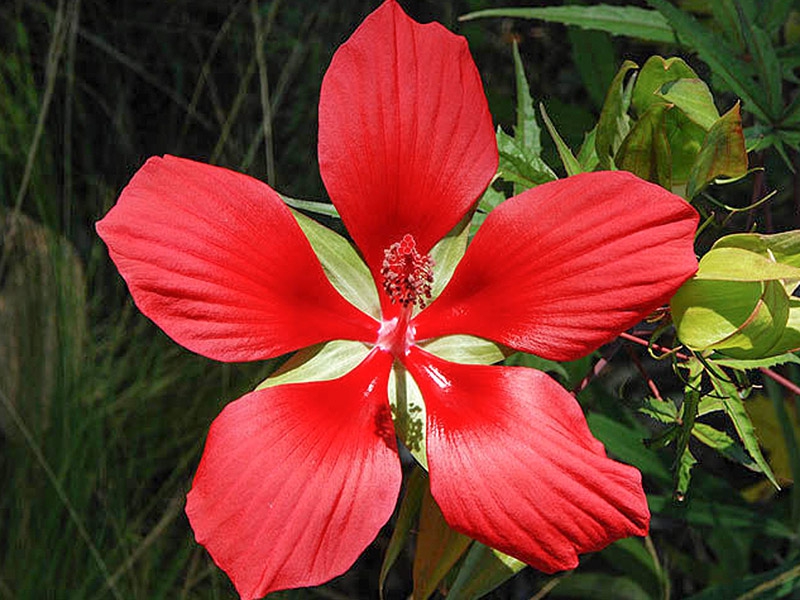
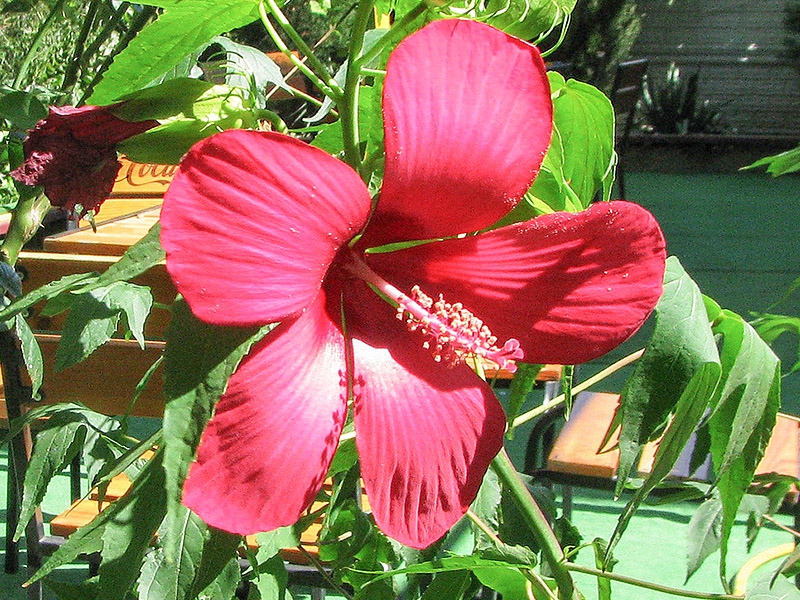
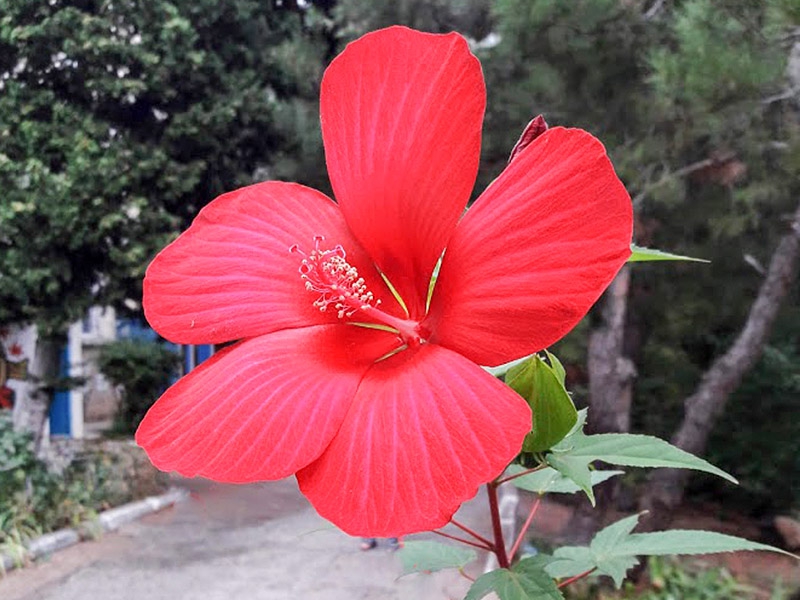
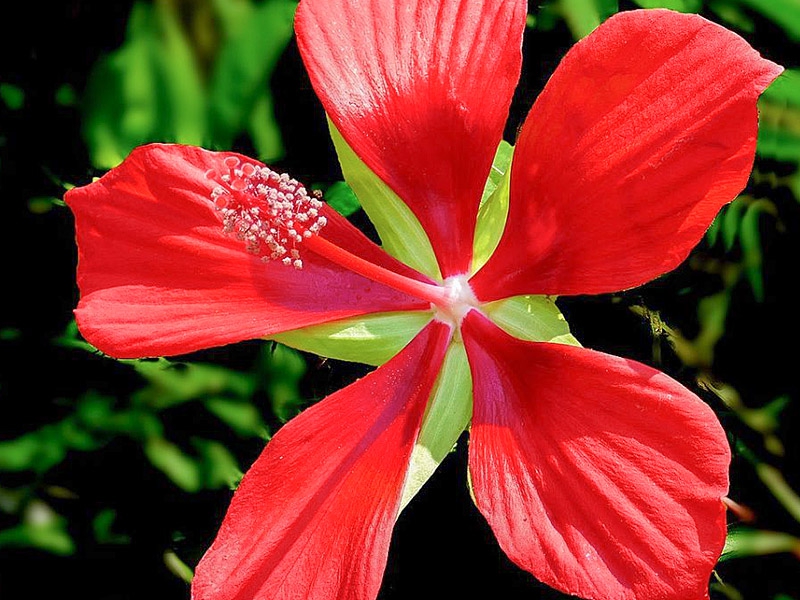
Hibiscus coccineus is a perennial herbaceous plant native to the southeastern United States. Its growth characteristics, propagation methods, cultivation methods, garden uses, and major pests and control methods can be summarized as follows: Growth Characteristics - Height: Grows to approximately 1.5m to 2.5m. - Leaves: Palm-shaped leaves that are green and divided into 5 to 7 lobes. - Flowers: Blooms with large red flowers from summer to early autumn. The diameter reaches 7 to 8cm. - Environment: Prefers locations with good sunlight and thrives in moist soil. Propagation Methods - Seeds: Propagated by sowing in the spring. - Cuttings: Can be propagated by stem cuttings in early summer. Cultivation Methods - Sunlight: Plant in a sunny location that receives plenty of sunlight. - Soil: Well-drained yet moist soil is suitable. - Watering: Water consistently to maintain soil moisture. - Fertilizer: Appropriate fertilizer supply is required during the growing season. Garden Uses - Ornamental: Can be used for landscape design due to its large, showy flowers and unique leaf shape. - Riparian Areas: Since it prefers moisture, it is suitable for gardening around ponds or waterfronts. Important Pests and Control Methods - Diseases: It is relatively resistant to diseases, but care must be taken to prevent root rot in case of overwatering. - Pests: Pests such as aphids may occur. If an infestation occurs, use appropriate pesticides or consider biological control. - Control: Preventively, plant in a well-ventilated area and manage the soil to avoid excessive moisture to reduce pests and diseases. The Hibiscus coccineus is a plant loved by many gardeners for its uniqueness and beauty. It can be grown beautifully with the right growing environment and care.
Plant Family
Malvaceae
Height
1~2m
Colors
red, pink
Bloom Period
July to September
Water Needs
commonly
Exposure
Sunny
Freezing Resistance
-10°C
Okra esculentus
Hibiscus esculentus
Buyong Laebis
Hibiscus laevis