English
한국어
English
Español
中文
हिंदी
Home
News
Community
Dictionary
English
한국어
English
Español
中文
हिंदी
View list
wood-like flat moss Flabellata
Hookeria flabellata
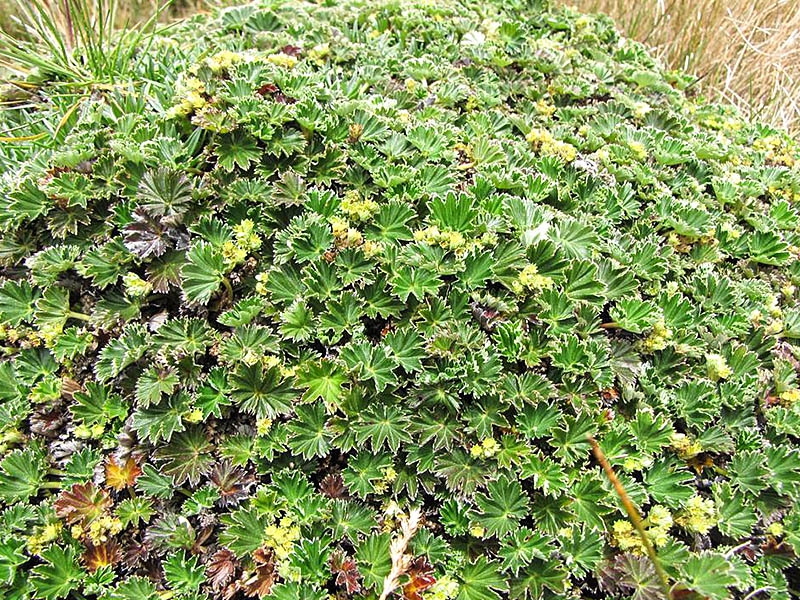
Hookeria flabellata is a type of moss frequently found in shaded areas of forests. This plant has the following characteristics regarding growth, propagation, cultivation, garden use, and pest and disease control: Growth Characteristics - Environmental Requirements: Hookeria thrives in humid and shady environments. It is primarily found on forest floors, shaded rocks, or tree trunks. It is optimal in locations with high air humidity and indirect sunlight. - Temperature: It grows well in mild climates and is tolerant of low temperatures. It is important to avoid extreme temperatures. Propagation Methods - Spore Propagation: Like most mosses, it reproduces via spores. Mature individuals form sporangia, and the spores released from them disperse to form new individuals. - Collection and Transplantation: It is also possible to collect the moss from nature and transplant it. If a suitable environment is provided, it can adapt and reproduce after transplantation. Hookeria flabellata Cultivation Methods - Environment Preparation: The growing area must be provided with sufficient humidity and shade. Artificial humidity control and the installation of shade nets can be helpful. - Soil and Potting Mix: While mosses do not require special soil, a potting mix rich in organic matter is recommended. The soil must be well-drained and kept moderately moist at all times. Garden Use - Ornamental: It can be used as ground cover in shaded areas of the garden and is attractive for decorative purposes. It fits well in Japanese gardens or naturalistic gardens. - Underground Planting: It is suitable for covering the undersides of other plants under large trees or in rock gardens. Important Pests and Control Methods - Diseases: In most cases, there are no major issues, but care must be taken regarding rot caused by excessive moisture. Manage drainage well to avoid overwatering. - Pests: Generally, there are no major pests, but invertebrates such as slugs can cause damage. In such cases, natural control methods (e.g., slug traps) can be utilized. - Prevention: It is most important to prevent pests and diseases by providing a healthy growing environment. Proper ventilation and humidity management are necessary. Please refer to this basic information when managing Platycodon platycodon.
Plant Family
Flat moss family
Height
10cm
Colors
sporophyte
Water Needs
well
Exposure
semi-shaded area
Freezing Resistance
-10°C
Resceoiides
Hookeria leskeoides
barley
Hordeum vulgare