English
한국어
English
Español
中文
हिंदी
Home
News
Community
Dictionary
English
한국어
English
Español
中文
हिंदी
View list
rice barley
Hordeum vulgare
var.
distichon
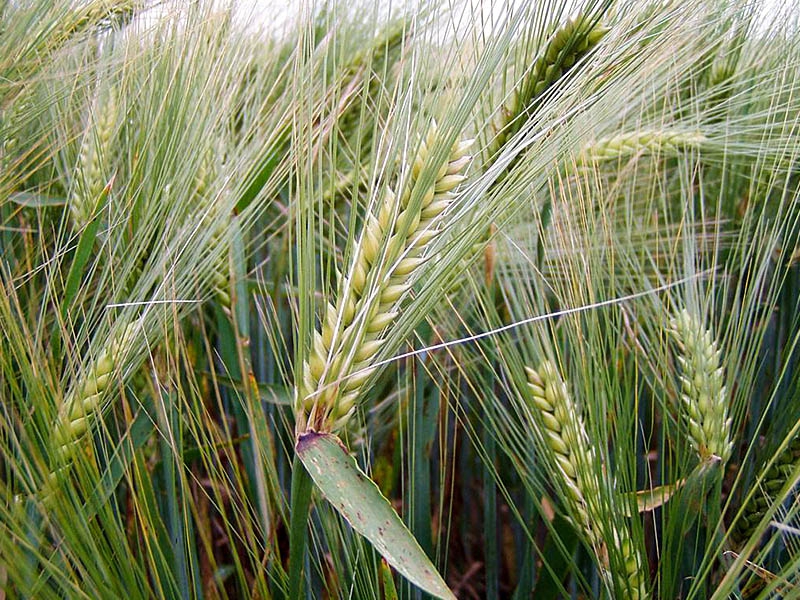
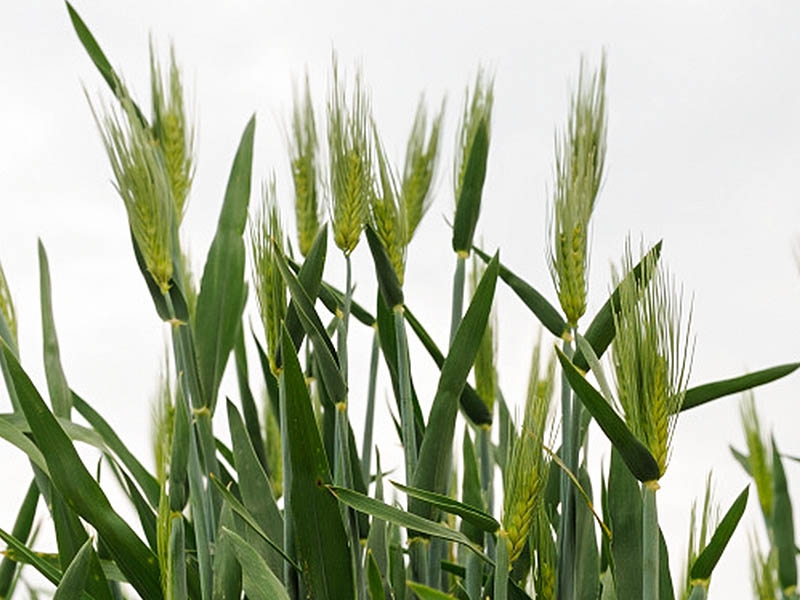
Rice barley (Hordeum vulgare var. distichon) is a crop that can be practically utilized due to its various characteristics and cultivation methods. - Growth Characteristics: It thrives in cool climates and can tolerate dry conditions to some extent. Compared to other barley varieties, it has a softer texture and, in particular, resembles rice in appearance, making it widely used as a rice substitute. - Propagation Methods: It is primarily propagated by seeds and can be grown by sowing seeds directly in the field or by creating seedlings and transplanting them. Seeds are generally sown in the spring or autumn. - Cultivation Methods: Well-drained soil is most suitable, and it grows well in neutral or slightly alkaline soil with a pH of 6.0 to 7.5. Barley is mainly sown in the spring and requires sufficient sunlight and water. Using high-quality organic fertilizers aids in growth. - Use in Gardens: It forms small, attractive clumps, making it suitable for planting as an ornamental plant in home gardens. Nevertheless, its primary use is focused on its function as a food crop. - Major Pests and Diseases and Control Methods: It is particularly susceptible to fungal diseases such as rust and red mold, and aphids and scale insects can be problematic pests. Pest control is managed through proper preventive crop care and the use of eco-friendly insecticides and fungicides. Selecting disease-resistant varieties is also an effective strategy. Based on this information, you can successfully cultivate and utilize rice barley.
Plant Family
Poaceae
Height
1m
Colors
brown, yellow
Bloom Period
April~May
Water Needs
well
Exposure
Sunny
Freezing Resistance
-20°C
barley
Hordeum vulgare
small barley
Hordeum pusillum