English
한국어
English
Español
中文
हिंदी
Home
News
Community
Dictionary
English
한국어
English
Español
中文
हिंदी
View list
prickly ash tree
Zanthoxylum schinifolium
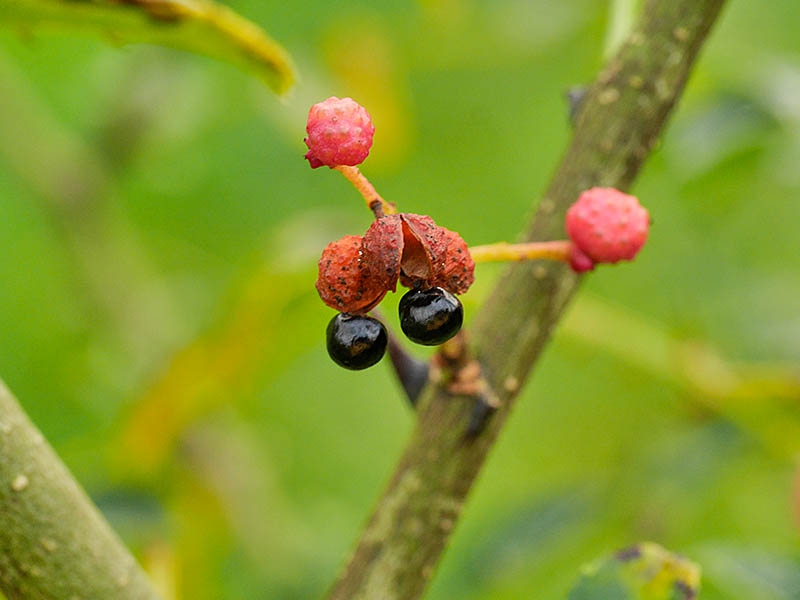
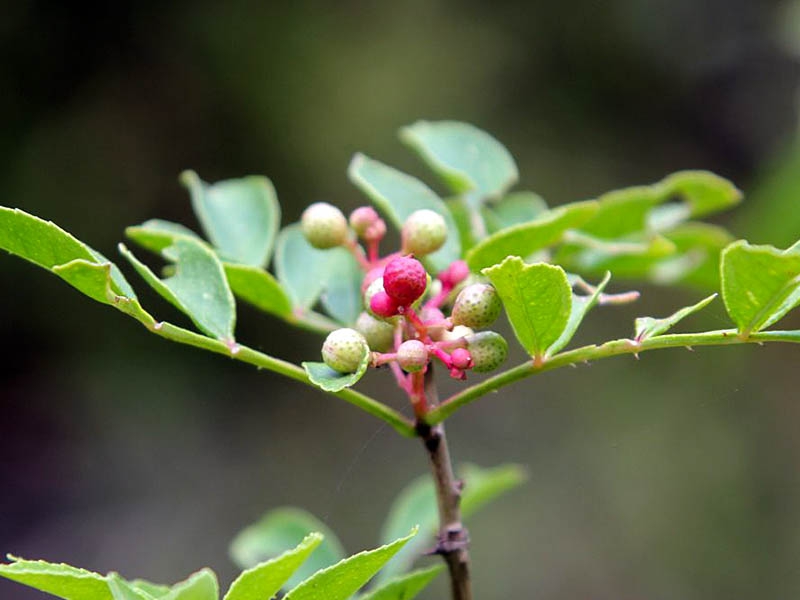
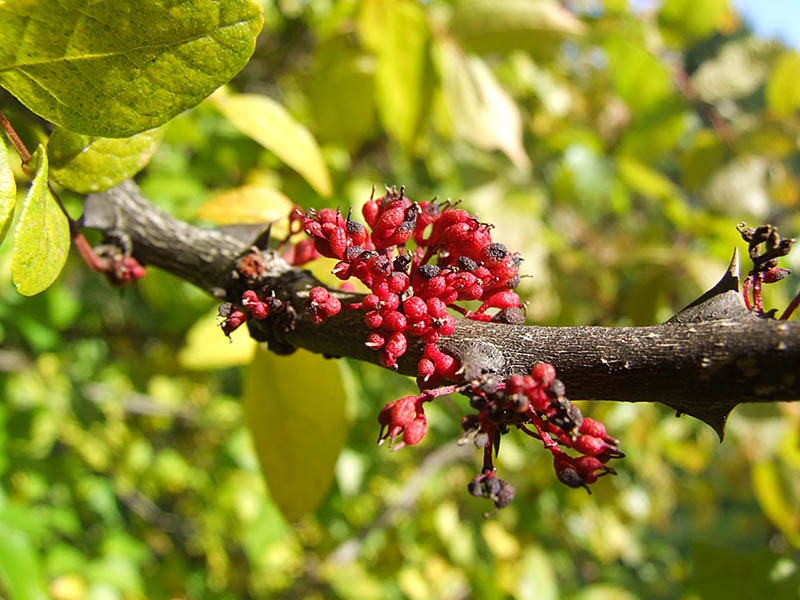
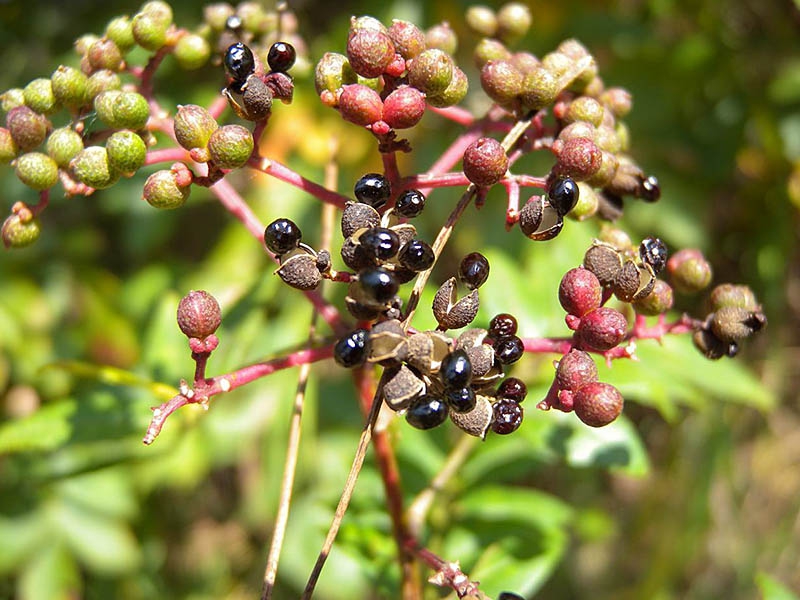
Zanthoxylum schinifolium is a tree native to Asia, including Korea, and is widely used for culinary and medicinal purposes due to its distinctive aroma and flavor. The following is information regarding the growth characteristics, propagation methods, cultivation methods, garden uses, and major pests and diseases, as well as control methods. Growth Characteristics - Growth Environment: Zanthoxylum thrives in sunny locations and prefers well-drained soil. - Climate Adaptability: It is relatively resistant to cold and heat, but growth may be hindered in extreme environments. - Growth Form: The tree grows primarily as a shrub, reaching a height of approximately 2 to 4 meters. Propagation Methods - Seed Propagation: Collect seeds from ripe fruit in the autumn and plant them immediately, or store them in the refrigerator and sow them in early spring. - Cutting Propagation: Well-developed branches can be taken as cuttings during the summer. Using a rooting agent during this process increases the rooting rate. Cultivation Methods - Planting: It is best to plant in early spring or late autumn. Before planting, add compost or slow-release fertilizer to the soil to improve soil fertility. - Watering: Be careful to prevent water from pooling excessively, and water appropriately during dry periods. - Fertilization: Apply appropriate fertilizer during the growing season to promote growth. Uses in the Garden - Landscaping Tree: Due to its high ornamental value, the Japanese pepper tree is used as a boundary tree or accent tree in gardens. - Culinary and Medicinal Uses: It is used as a spice due to its unique aroma and taste, and has traditionally been utilized as an herbal medicine. Important Pests and Diseases & Control Methods - Pests and Diseases: Scab, gray mold, and leaf spot may occur. - Control Methods: - Disease Prevention: Prevent disease outbreaks by managing proper drainage and ventilation. - Chemical Control: Pests and diseases can be controlled using designated pesticides. For eco-friendly control, diluted vegetable oil or soap can be used. - Eco-friendly Pest Control: Biological pest control methods using natural enemies can also be considered. The Japanese pepper tree is a useful plant for practical purposes as well as landscaping, and it can be grown healthily for a long time through proper care and pest control.
Plant Type
Plant Family
Rutaceae
Height
3m
Spread
Colors
yellow, green
Bloom Period
July to September
Water Needs
commonly
Exposure
Sunny
Freezing Resistance
-15°C
Carla Lechmani
Zantedeschia rehmannii
Zanthoxylum piperitum