English
한국어
English
Español
中文
हिंदी
Home
News
Community
Dictionary
English
한국어
English
Español
中文
हिंदी
View list
Hovenia dulcis
Hovenia dulcis
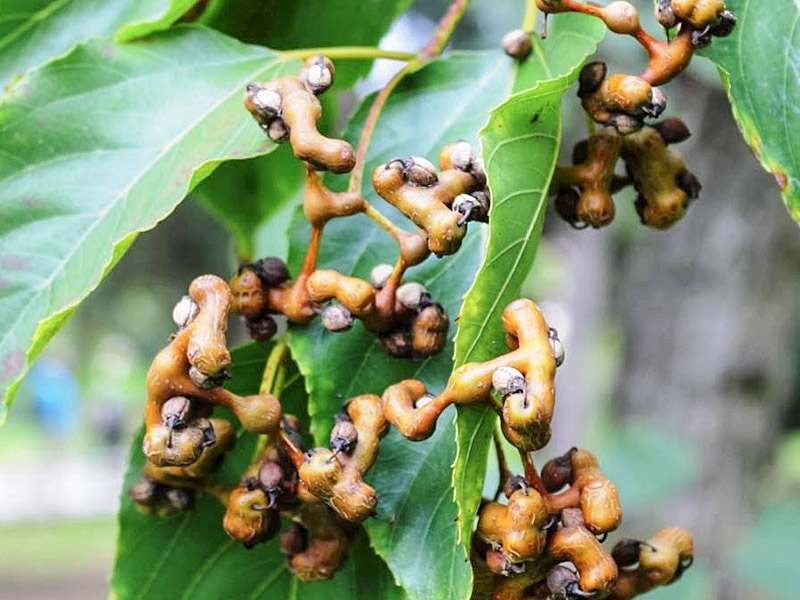
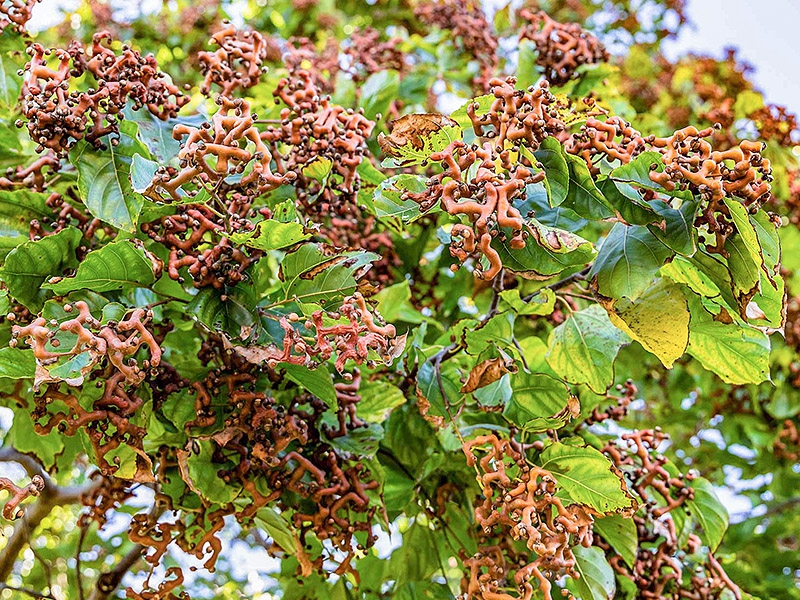
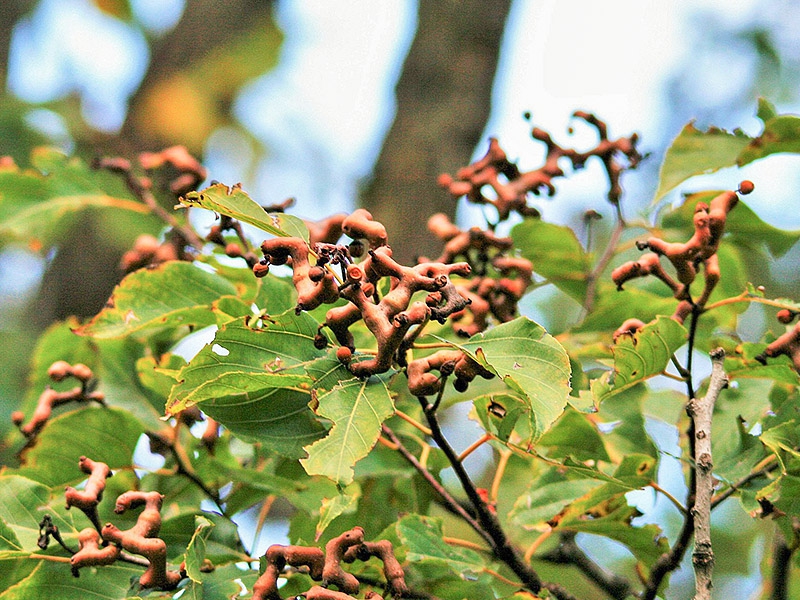
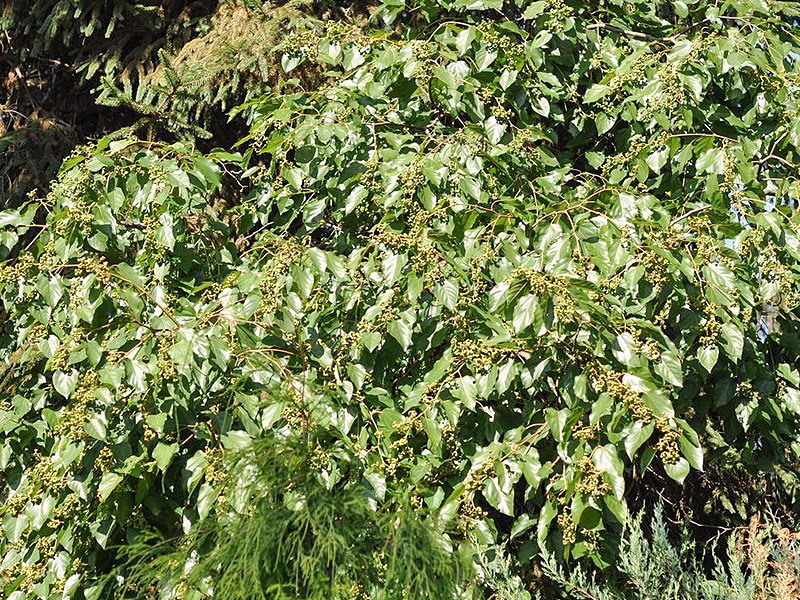
Hovenia dulcis is a deciduous broad-leaved tree native to East Asia, including Korea, China, and Japan. The following is information regarding the growth characteristics, propagation methods, cultivation methods, garden uses, and major pests and diseases, as well as control methods. Growth Characteristics - Size and Form: Hovenia dulcis is a medium to large-sized tree that grows to approximately 10 to 20 meters in height upon maturity, featuring broad leaves and soft branches. - Leaves: The leaves are alternate and egg-shaped or ovate; they are dark green in the summer and turn yellow in the autumn. - Flowers and Fruit: Small, fragrant white flowers bloom in May and June, while the fruit hangs in clusters resembling grapes and ripens to a red color. The tree itself is notable for the fullness of its leaves and the straight shape of its trunk rather than its fruit. Propagation Methods - Seed Propagation: Hovenia dulcis is primarily propagated by seeds. It is recommended to harvest the fruit to collect seeds and sow them in the autumn or early spring. - Propagation by Cuttings: It can also be propagated by cuttings during the summer. Cut off well-grown branches and root them using the water soaking method or direct planting. Cultivation Methods - Soil: It prefers well-drained soil, and slightly acidic or neutral soil is suitable. - Light: It thrives in full sun, but can also grow in partial shade. - Water: Sufficient water must be supplied during the initial establishment period, and it is relatively drought-tolerant once growth is complete. Uses in Gardens - The Hovenia dulcis is a popular tree in gardens and parks as it provides shade. It is particularly utilized as a landscape tree because of its beautiful leaves and the way they change color. Important Pests and Control Methods - Pests and Diseases on Leaves: Leaf blight or powdery mildew may occasionally occur on the leaves. To prevent this, it is important to ensure adequate spacing and ventilation. - Pests: Leaf beetles or aphids may occur. If necessary, appropriate insecticides can be used, or natural control methods include planting insect-attracting plants or utilizing natural predators. The Hovenia dulcis tree is relatively easy to care for and is suitable as a landscape tree for gardens or parks. With proper care and pest control, healthy trees can be maintained.
Plant Family
Rhamnaceae
Height
8~17m
Colors
white
Bloom Period
June~July
Water Needs
commonly
Exposure
Sunny
Freezing Resistance
-15°C
Three-colored medicinal buckwheat noodles
Houttuynia cordata
'Chameleon'
broad-leaved Kentia palm
Howea forsteriana