English
한국어
English
Español
中文
हिंदी
Home
News
Community
Dictionary
English
한국어
English
Español
中文
हिंदी
View list
Bluebell 'part-time job'
Hyacinthoides non-scripta
'Alba'
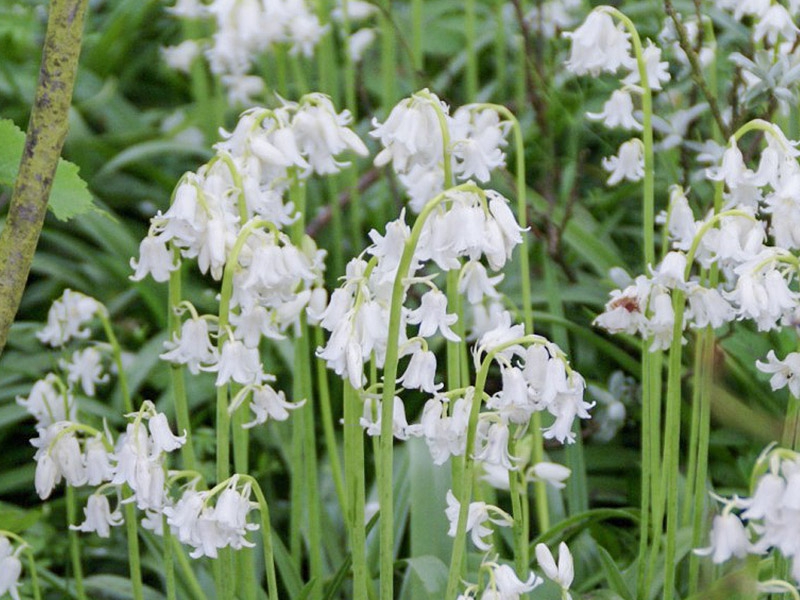
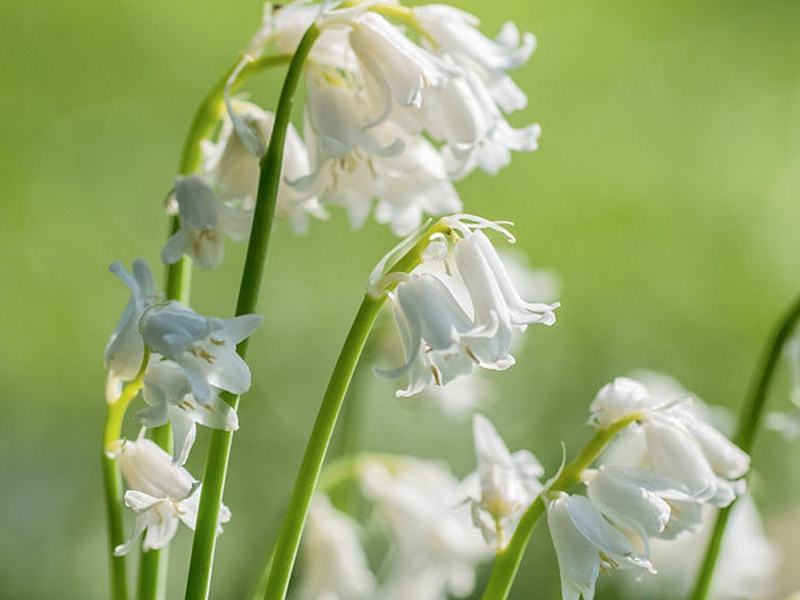
Growth Characteristics Bluebell 'Alba' is a perennial bulbous plant that primarily blooms in the spring. Unlike common bluebells, its flowers are white, and it thrives in forests or shady areas. It grows to a height of approximately 20–30 cm, and its leaves are long and narrow. It thrives in cool, humid environments and exhibits particularly excellent growth in partial shade. Propagation Methods Bluebell 'Alba' is mainly propagated by dividing bulbs or by seeds. When dividing bulbs, dig up the bulbs in the autumn, separate the smaller bulbs, and plant them. When using seeds, it is common practice to collect mature seeds and sow them directly in the autumn. When propagating from seeds, germination may take some time. Cultivation Methods - Soil and Location: Well-drained and fertile soil is ideal. Since it grows well in partial shade, plant it in a location with adequate sunlight and shade. - Planting Time: It is recommended to plant the bulbs in the autumn. Planting depth should be about 2 to 3 times the height of the bulb, and plant with sufficient spacing. - Watering: Excessive moisture can cause bulb rot, so proper moisture management is essential. It is best to water after the soil has dried slightly. - Fertilizer: No special fertilizer is required, but applying a small amount of organic fertilizer in the spring can promote growth. Uses in the Garden Bluebell 'Alba' is excellent for growing in clusters in shady landscapes or at the edges of forests. Planting it alongside other wildflowers creates a natural garden atmosphere. The white flowers add a bright touch to the spring garden. Important Pests and Control Methods - Diseases: Bluebell 'Alba' is relatively resistant to disease, but bulb rot can occur due to overwatering. To prevent this, plant in well-drained soil and manage watering thoroughly. 2. Pests: Generally, there are no major pest issues, but snails or earthworms may nibble on some leaves. To prevent this, physical removal is recommended, and insecticides can be used if necessary. Overall, the Bluebell 'Alba' is one of the most popular garden plants due to its easy care and beauty. As long as the right environment is provided, you will be able to enjoy its beautiful flowers year after year.
Plant Family
Broom family
Height
30~60cm
Spread
7~15cm
Colors
white
Bloom Period
April~May
Water Needs
commonly
Exposure
semi-shaded area
Freezing Resistance
-10°C
Arctic squirrel tail
Huperzia arctica
Bluebell
Hyacinthoides non-scripta