English
한국어
English
Español
中文
हिंदी
Home
News
Community
Dictionary
English
한국어
English
Español
中文
हिंदी
View list
hydrangea
Hydrangea macrophylla
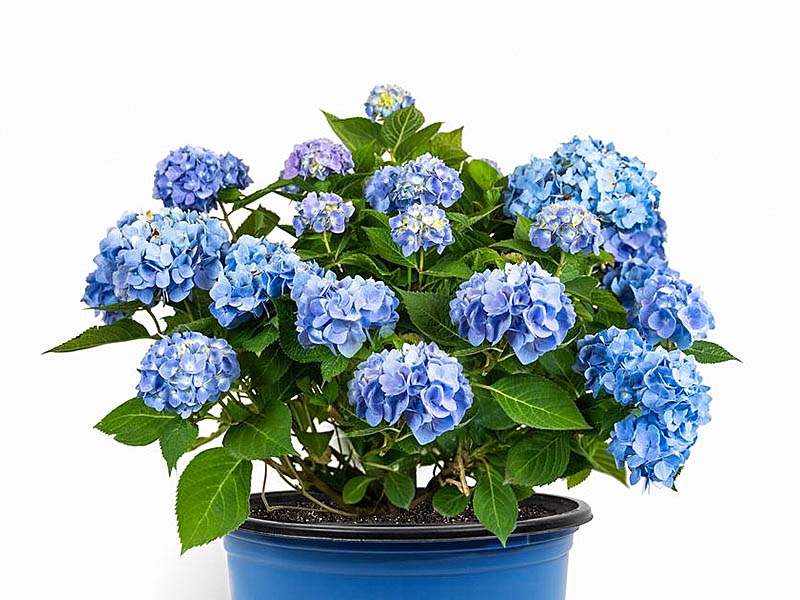
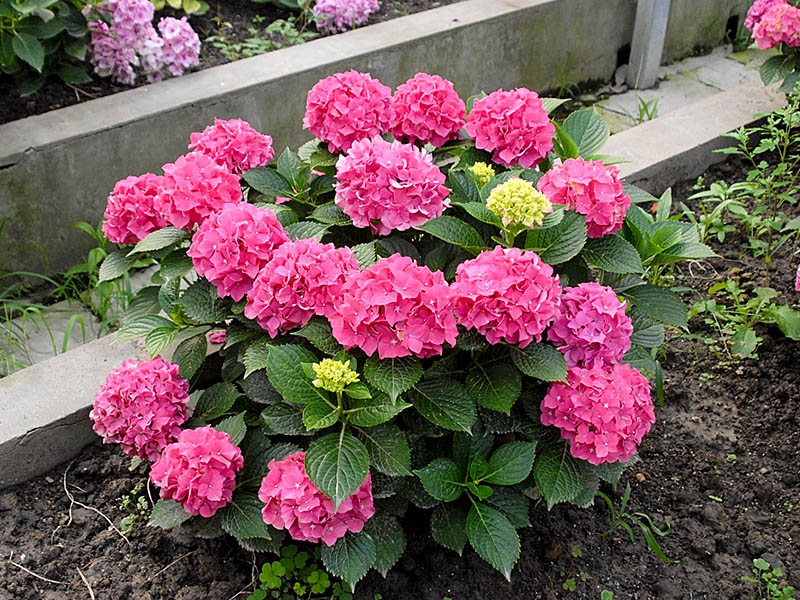
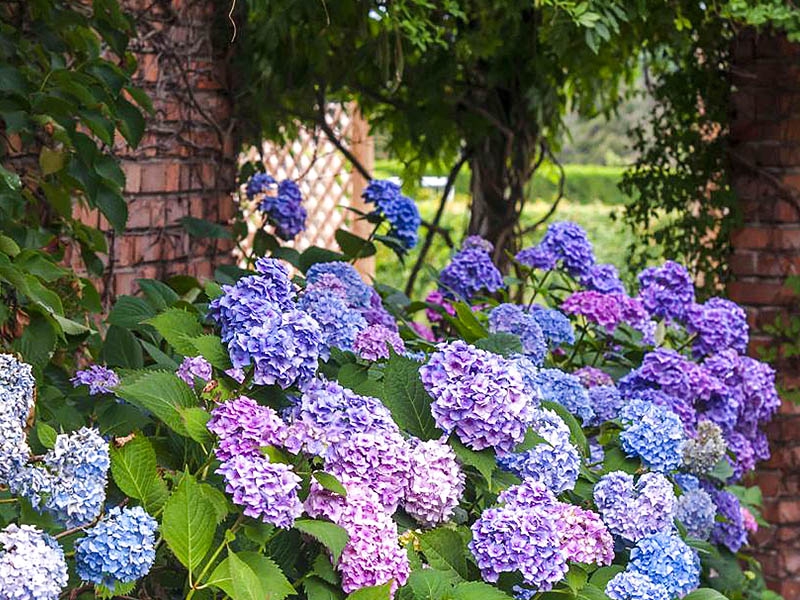
Hydrangea macrophylla f. macrophylla is a popular ornamental tree native mainly to Korea, Japan, and China. The following describes the plant's growth characteristics, propagation methods, cultivation methods, garden uses, major pests and diseases, and control methods. Growth Characteristics - Flowers: Large, spherical flowers cluster to form large flower stalks and display various colors such as pink, blue, and purple. Flower color may change depending on soil pH. They appear blue in acidic soil and pink in alkaline soil. - Leaves: Broad, dark green, and glossy. The leaves remain continuously from early summer through autumn. - Size: It typically grows to about 1 to 2 meters in height, and the branches tend to grow straight. Propagation Methods - Cuttings: It is common to cut newly grown branches in the summer and root them by either water propagation or planting them in soil. - Seeds: Propagation by seeds is possible, but due to the low germination rate, cuttings are primarily used. Cultivation Method - Soil: Well-drained soil rich in organic matter is suitable. - Watering: It requires a relatively large amount of moisture, and sufficient water must be supplied, especially during the summer. - Light: It grows well in partial shade, but receives sufficient sunlight for more abundant blooms. - Fertilizer: Apply slow-release fertilizer in the spring to promote growth and flowering. Uses in the Garden - Edge Planting: Planting them along the edges of the garden creates a beautiful display of blooms, offering a high decorative effect. - Flowerbeds: Planting a combination of hydrangeas of various colors in a flowerbed creates a beauty comparable to that of roses. Important Pests and Control Methods - Diseases: Powdery mildew and leaf blight may occur. To prevent this, plant in a well-ventilated area and use an appropriate fungicide if necessary. - Pests: Mites and aphids may occur. Control them through periodic observation and the use of insecticides when necessary. Hydrangeas are relatively easy to care for, making them suitable for gardening beginners. With the right environment and care, you can enjoy beautiful flowers every year.
Plant Family
Saxifragaceae
Height
1.5~2m
Colors
purple
Bloom Period
May to July
Water Needs
commonly
Exposure
semi-shaded area
Freezing Resistance
-15°C
Mountain hydrangea
Hydrangea serrata
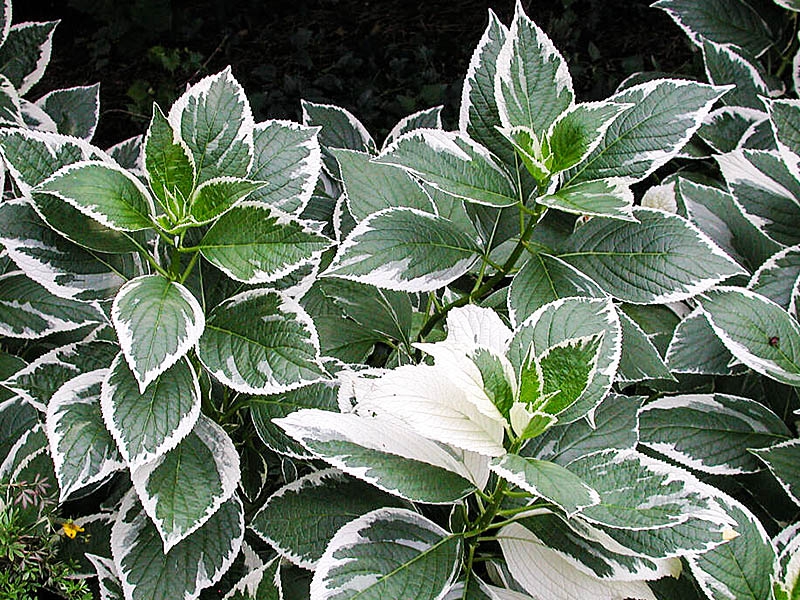
Hydrangea 'Variegata'
Hydrangea macrophylla
'Variegata'