English
한국어
English
Español
中文
हिंदी
Home
News
Community
Dictionary
English
한국어
English
Español
中文
हिंदी
View list
Hydrangea 'Diamantino'
Hydrangea paniculata
'Diamantino'
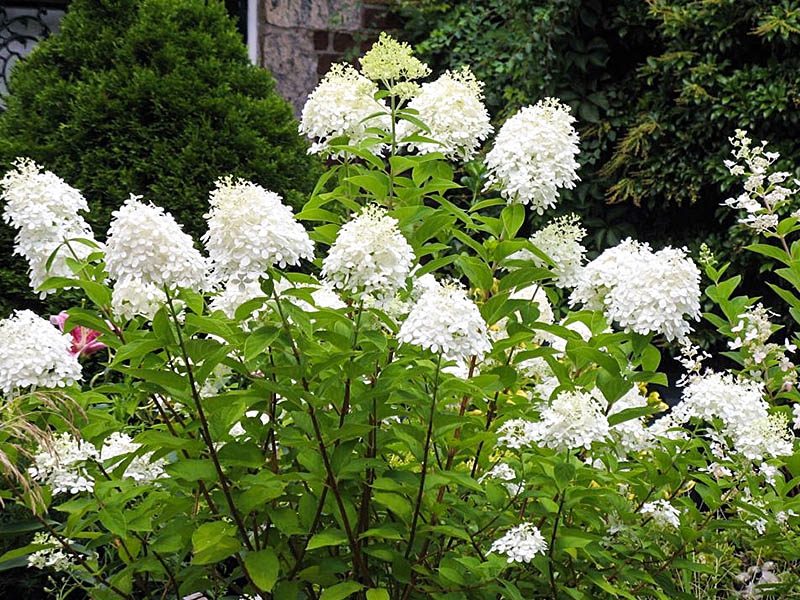
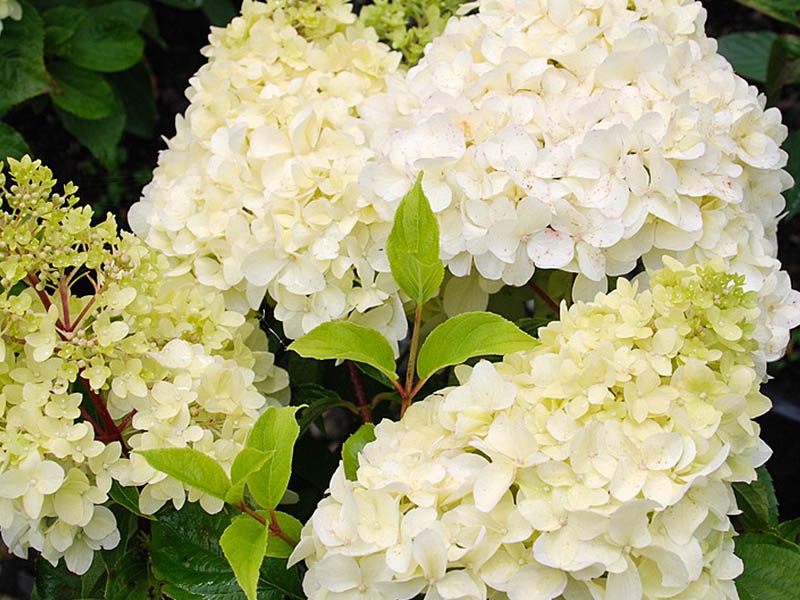
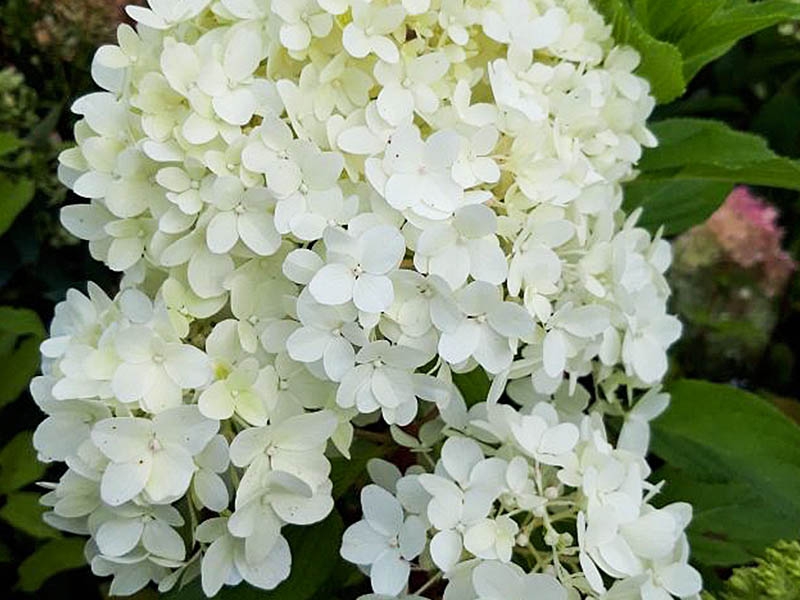
Growth Characteristics Hydrangea paniculata 'Diamantino' is a deciduous shrub that produces large, beautiful conical flowers from summer to autumn. This variety is particularly popular for the spectacular color changes of its flowers; they start white and gradually turn pale pink or pink over time. It thrives in full sun or partial shade and prefers well-drained soil. It is highly cold-hardy and can survive even in regions with severe cold. Propagation Methods It is primarily propagated by cuttings. It is common to take semi-hardwood cuttings in the summer or woody cuttings in the winter. When taking cuttings, select healthy branches and remove some leaves to reduce moisture evaporation. Using rooting hormones can increase the rooting rate. After planting, ensure that sufficient humidity is maintained. Cultivation Methods - Soil: Choose fertile, well-drained soil. It grows well in soil with an acidic or neutral pH. - Watering: Water regularly and sufficiently, but be careful not to overwater. Pay particular attention to keeping the plant from drying out during the summer. - Fertilization: Use slow-release fertilizer in the spring to provide a wide range of nutrients. - Pruning: Pruning in the winter can promote healthier growth the following year. Remove overgrown or weak branches. Uses in the Garden Diamantino can be used as a focal point in the garden due to its showy flowers. It has high ornamental value throughout the year, not only while in bloom but also because the dried flowers remaining on the branches provide a decorative effect in winter. It blends harmoniously with other perennials, making it ideal for planting along borders or at the back of flower beds. Important Pests and Control Methods - Diseases: While generally resistant to pests, fungal diseases can occur due to excessive moisture. To prevent this, plant in a well-ventilated area and use preventive fungicides if necessary. - Pests: Aphids or spider mites may occur. Natural control methods include attracting natural predators to eliminate pests or using insecticidal soap. In severe cases, chemical insecticides may also be applied.
Plant Family
Hydrangea
Height
120cm
Spread
1.2m
Colors
white
Bloom Period
July to September
Water Needs
commonly
Exposure
Sunny
Freezing Resistance
-30°C
Hydrangea 'Diamond Rouge'
Hydrangea paniculata
'Diamond Rouge'
Hydrangea 'Confetti'
Hydrangea paniculata
'Confetti'