English
한국어
English
Español
中文
हिंदी
Home
News
Community
Dictionary
English
한국어
English
Español
中文
हिंदी
View list
Kanto
Tussilago farfara
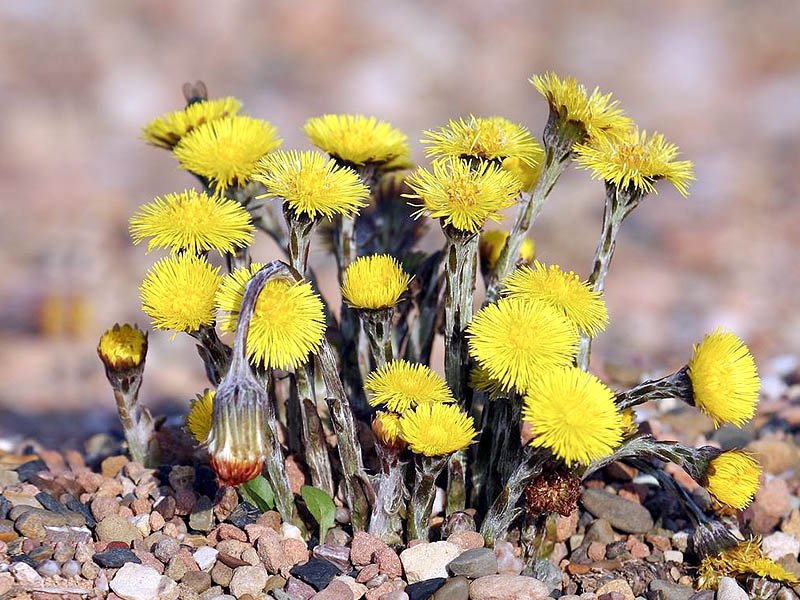
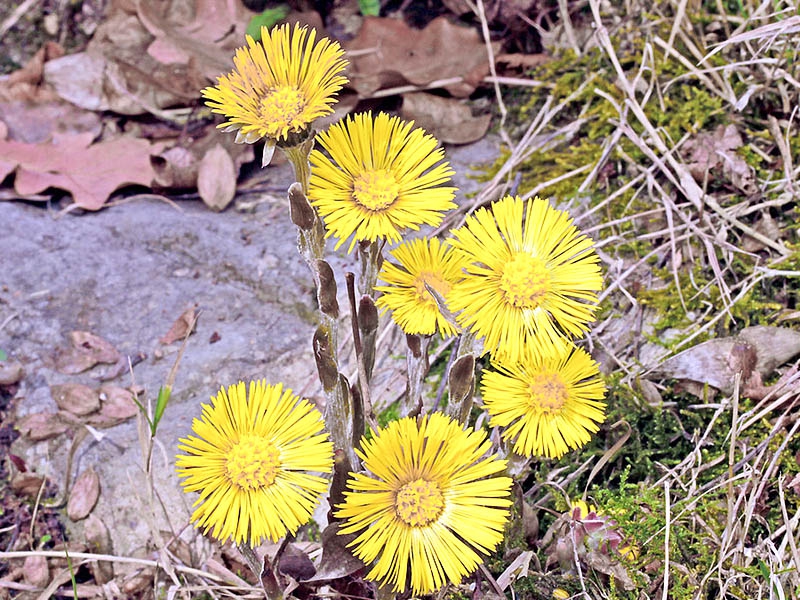
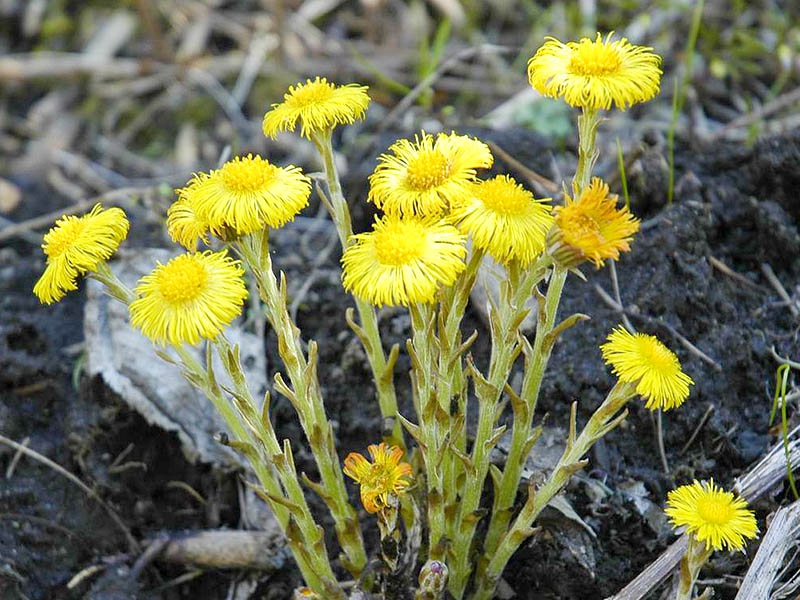
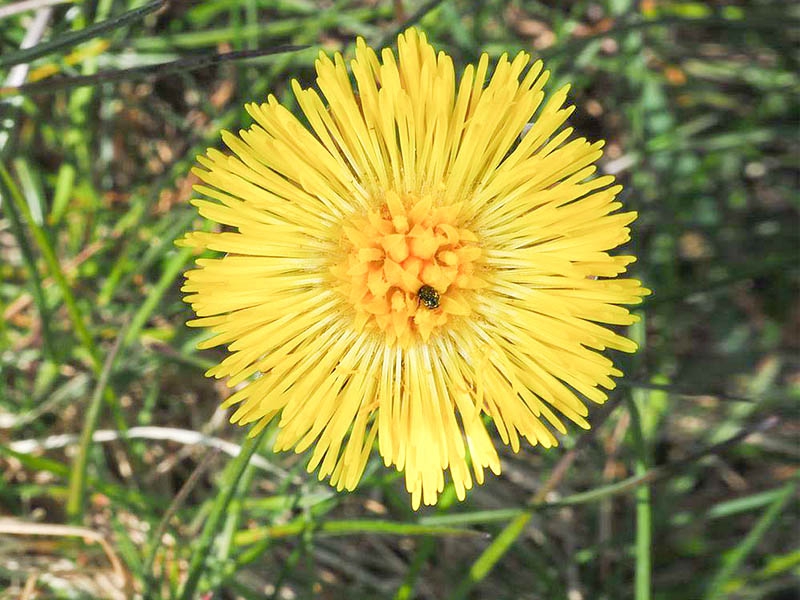
Tussilago farfara has the following growth characteristics, propagation methods, cultivation methods, garden uses, and information on important pests and diseases and control methods. Growth Characteristics: Tussilago farfara is a perennial plant belonging to the Asteraceae family and thrives primarily in moist areas. In particular, it blooms with bright yellow flowers in the spring, and leaves appear after the flowers fade. The leaves are round and have serrated edges. Propagation Methods: Tussilago farfara is mainly propagated via rhizomes or seeds. Propagation via rhizomes is effective due to its natural ability to spread rapidly. If you cut and transplant rhizomes in spring or autumn, they will grow into new plants. Cultivation Methods: - Soil: Tussilago farfara grows well in moist, well-drained soil. - Sunlight: It prefers partial shade but also grows well in sunny locations. - Watering: It must be kept moist enough to require maintenance. 4. Fertilizer: It is recommended to regularly supply fertilizer that meets general plant nutrient requirements. Garden Use: Since Kanto Parpara blooms in early spring, it can be used as an accent plant in spring gardens. Additionally, because it grows well in shady areas, it is suitable for planting in shaded gardens or under trees. Important Pests and Control Methods: Kanto Parpara is generally resistant to pests and diseases, but fungal diseases may occur if there is excessive moisture. To prevent this, it is important to ensure good drainage. Regarding insects, aphid damage may occur; in this case, they can be controlled using soapy water or insecticides. With this information, you will be able to grow and manage Kanto Parpara effectively.
Plant Type
Plant Family
Asteraceae
Height
10~30cm
Spread
Colors
yellow
Bloom Period
April to June
Water Needs
Bad
Exposure
Sunny
Freezing Resistance
-30°C
Turbinicarpus Horyphilus
Turbinicarpus horripilus
Tylecodon paniculatus