English
한국어
English
Español
中文
हिंदी
Home
News
Community
Dictionary
English
한국어
English
Español
中文
हिंदी
View list
Hydrangea 'Miss Hepburn'
Hydrangea macrophylla
'Miss Hepburn'
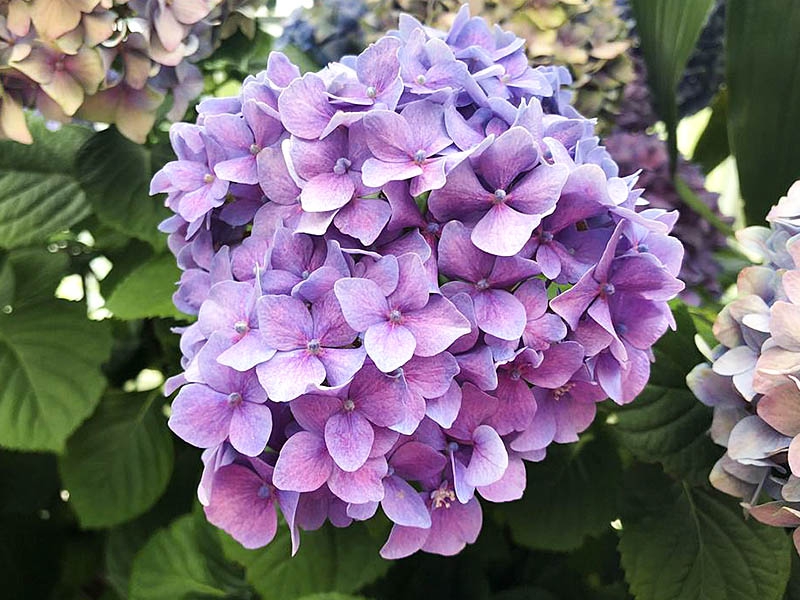
Hydrangea macrophylla 'Miss Hepburn' is a unique and beautiful flowering variety that stands out in gardens. The following describes the growth characteristics, propagation methods, cultivation techniques, garden uses, and pest and disease control methods for this variety. Growth Characteristics - Leaves: They are broad and dark green, and have high ornamental value even during non-flowering seasons. - Flowers: They form large, spherical flowers with colors ranging from white to light pink. - Flowering Period: Flowers bloom primarily from early summer to late summer. - Growing Environment: It thrives in partial shade and prefers fertile, well-drained soil. Propagation Methods - Cuttings: It can be propagated by cutting branches during the growing season. Summer is the most suitable time, and healthy branches approximately 5–10 cm in length should be selected. - Division: It can be propagated by dividing the clumps during the dormant period. It is mainly carried out in spring or autumn. Cultivation Method - Soil Preparation: Prepare well-draining soil by mixing in organic fertilizer. - Watering: Water thoroughly when the surface soil dries out, but avoid excessive moisture. - Fertilization: It is recommended to apply phosphate fertilizer during the growing season, and nitrogen fertilizer can be supplied additionally after flowering. - Pruning: Pruning in winter or early spring helps maintain the shape and improves ventilation. Uses in the Garden - Border Plant: Suitable for creating visual boundaries when planted around borders or fences. - Flowerbed Placement: Pairs well with flowers of various colors and can be placed in the center to increase visibility. - Solitary Planting: Planted in a large pot, it can be enjoyed on terraces or balconies. Important Pests and Control Methods - Diseases: Leaf mold and powdery mildew may occur. In such cases, use fungicides or ensure good ventilation. - Pests: Pests such as aphids and scale insects may occur. Regularly inspect the leaves and control them by spraying with organic insecticides if necessary. - Preventive Measures: It is important to avoid overcrowding and to prevent excessive moisture or dryness through proper watering management. The hydrangea 'Miss Hepburn' is a plant whose beauty can be appreciated for a long time with proper care and attention.
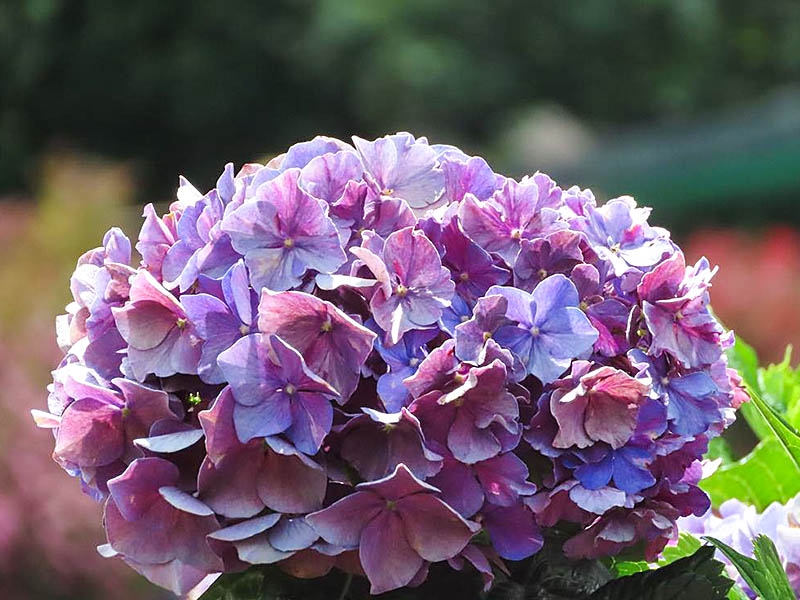
Plant Family
Hydrangea
Height
150cm
Spread
1.5m
Colors
purple
Bloom Period
June to September
Water Needs
commonly
Exposure
semi-shaded area
Freezing Resistance
-10°C
hydrangea 'Rosita'
Hydrangea macrophylla
'Rosita'
Hydrangea 'Matilde Gertjes'
Hydrangea macrophylla
'Mathilde Gutges'