English
한국어
English
Español
中文
हिंदी
Home
News
Community
Dictionary
English
한국어
English
Español
中文
हिंदी
View list
flag
Typha orientalis
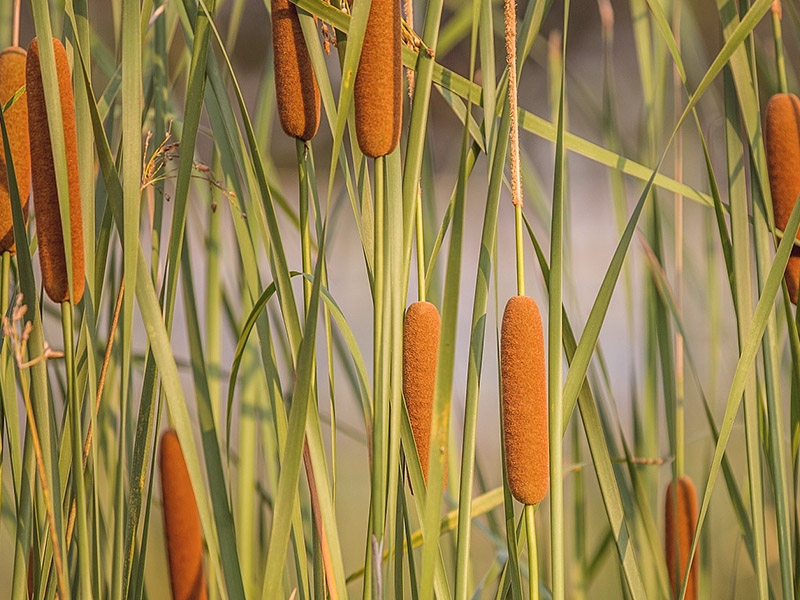
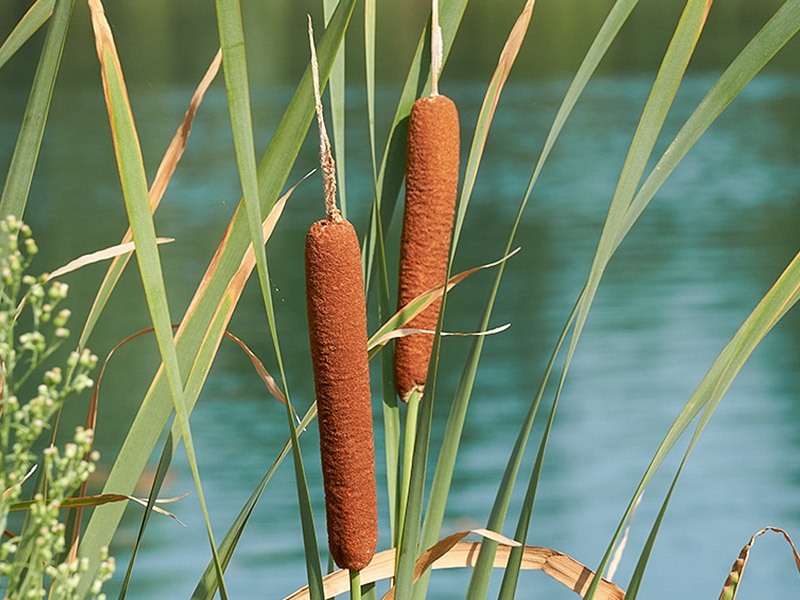
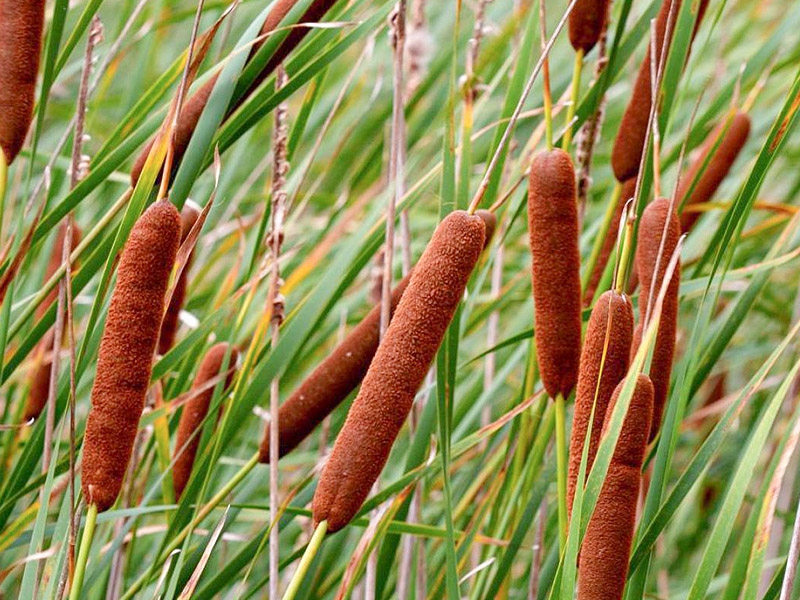
Typha orientalis is a perennial herbaceous plant that grows primarily in wetlands or along the edges of ponds. The following describes the growth characteristics, propagation methods, cultivation techniques, garden uses, and pest and disease control methods of Typha orientalis. Growth Characteristics - Growing Environment: Typha orientalis thrives in sunny, wetland environments. It is commonly found growing near water, but it can also survive in areas with slightly deeper water. - Size: Mature Typha orientalis can grow to a height of 1.5 to 3 meters. - Leaves and Stems: It is characterized by stiff, straight stems and long, ribbon-shaped leaves. - Flowers and Fruits: It blooms in the summer, with brown, round, and thick inflorescences appearing at the tips of the leaves. Over time, these inflorescences disperse soft, cotton-like seeds. Propagation Methods - Seed Propagation: Typha orientalis primarily reproduces by seeds. Seeds dispersed by the wind germinate when they fall into moist soil. - Root Propagation: It also reproduces naturally through creeping roots. This allows it to spread rapidly within the same colony. Cultivation Methods - Soil: It thrives in moist, organic-rich soil and tolerates standing water well. - Planting: Cattail roots are best planted in sand or clay. It should be planted in areas that are not too deep and grows in well-drained environments. - Care: It grows well without special care, but if necessary, removing old leaves in early spring can help promote new growth. Garden Uses - Ornamental: Due to its tall and distinctive inflorescence, it can be used as an ornamental plant in the garden. - Stabilization: It is useful for stabilizing wetlands or pond edges and helps prevent soil erosion. Important Pests and Control Methods - Diseases: Cattails are relatively resistant to diseases, but removing old leaves and debris can help prevent them. - Pests: Common pests are rare; however, regular observation is important to respond early if problems arise. - Control Methods: Natural control methods are preferred, but plant protection agents may be used in severe cases. Typha is a plant that provides a unique aesthetic element to the garden while also possessing ecological value. It can be grown healthily through regular care and the provision of a suitable environment.
Plant Type
Plant Family
cattails and
Height
1~1.5m
Spread
Colors
yellow
Bloom Period
June~July
Water Needs
well
Exposure
Sunny
Freezing Resistance
-30°C
Whybakjugari
Tylophora floribunda
Baby trembling
Typha angustifolia