English
한국어
English
Español
中文
हिंदी
Home
News
Community
Dictionary
English
한국어
English
Español
中文
हिंदी
View list
Water hyacinth
Hydrocharis dubia
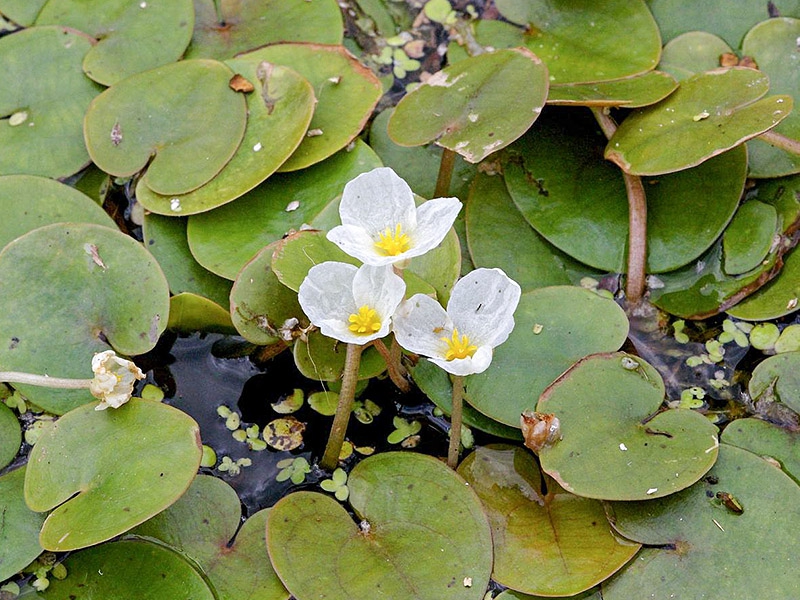
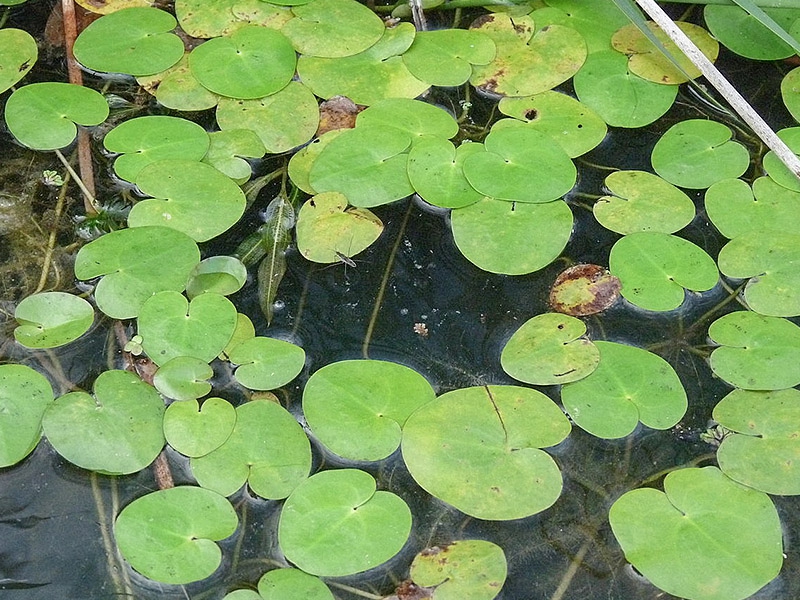
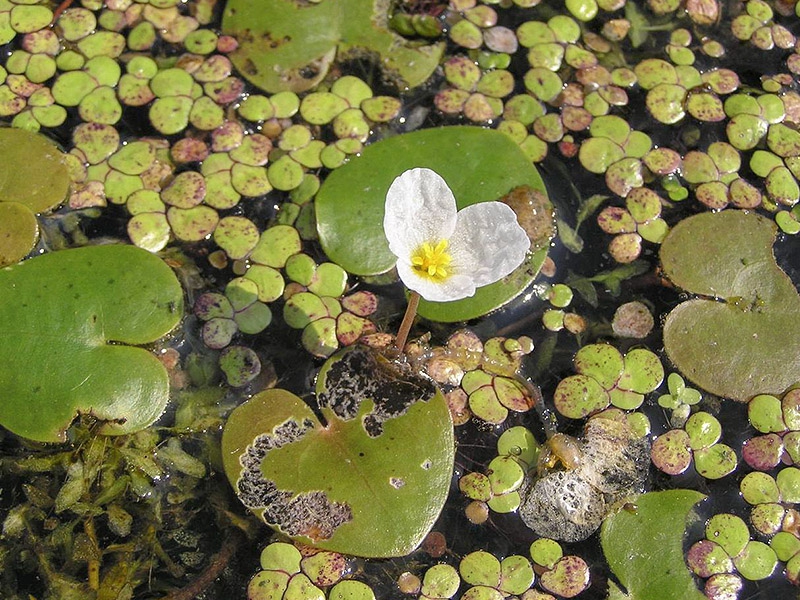
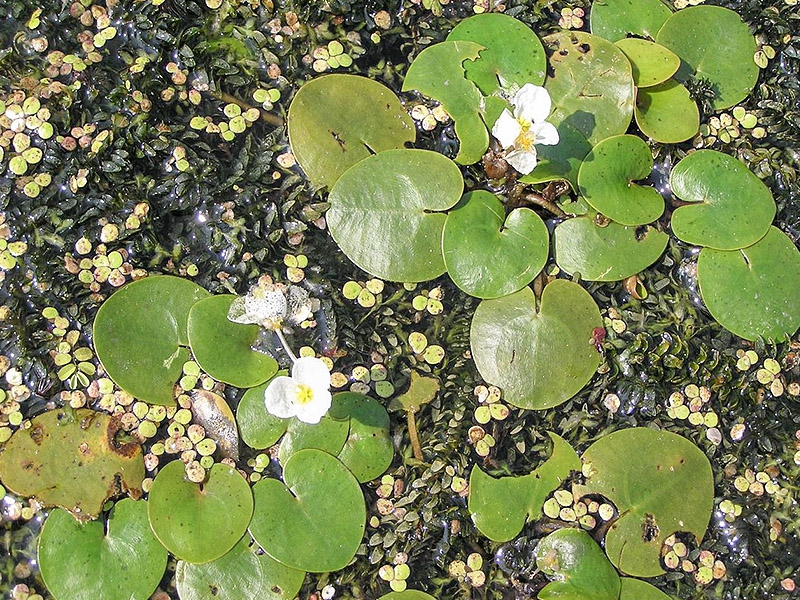
Hydrocharis dubia is an aquatic plant that grows primarily in ponds or wetlands. Its leaves float on the water's surface while its roots remain underwater, and it blooms with small white flowers during the summer. The following is information regarding the growth characteristics, propagation methods, cultivation methods, garden uses, and major pests and diseases, as well as control methods for Hydrocharis dubia. Growth Characteristics - Environment: Hydrocharis dubia thrives in sunny locations and grows healthiest in aquatic environments, such as ponds, where the water temperature is appropriate. - Temperature: It grows well in temperate climates and can survive even during winter as long as the water temperature does not drop too low. Propagation Methods - Natural Propagation: Hydrocharis dubia reproduces naturally, primarily through root growth or cloning via stems. - Artificial Propagation: For propagation, a portion of the plant's stem can be cut and transplanted to another location. Cultivation Methods - Soil: It is recommended to plant in nutrient-rich, soft clay soil. It prefers a well-drained environment. - Water Management: Maintain sufficient water so that the leaves float above the surface; a water depth of 10 to 30 cm is suitable. - Fertilizer: Although Taraja dubia does not require much fertilizer, you can occasionally use fertilizers specifically designed for aquatic plants to aid growth. Uses in the Garden - Landscaping: It can be used to cover the surface of garden ponds, contributing to maintaining a healthy aquatic ecosystem. - Decoration: The leaves float on the water, creating a decorative effect, while the small white flowers add aesthetic value to the garden. Important Pests and Control Methods - Diseases: Taraja dubia is generally resistant to disease, but phytophthora may occur if the water level is inconsistent. Regular water changes are necessary for prevention. - Pests: Aquatic mollusks, such as snails, may gnaw on the leaves. To prevent this, you can utilize natural predators or use organic pesticides. Under proper environment and care, Taraxacum officinale (Taraxacum officinale) can be utilized as a beautiful riparian plant. It contributes to enhancing the biodiversity and aesthetic value of the garden.
Plant Family
Water hyacinth family
Height
50~150cm
Colors
white
Bloom Period
August~September
Water Needs
well
Exposure
Sunny
Freezing Resistance
-5°C
Black horse
Hydrilla verticillata
water poppy
Hydrocleys nymphoides