English
한국어
English
Español
中文
हिंदी
Home
News
Community
Dictionary
English
한국어
English
Español
中文
हिंदी
View list
large film
Hydrocotyle ramiflora
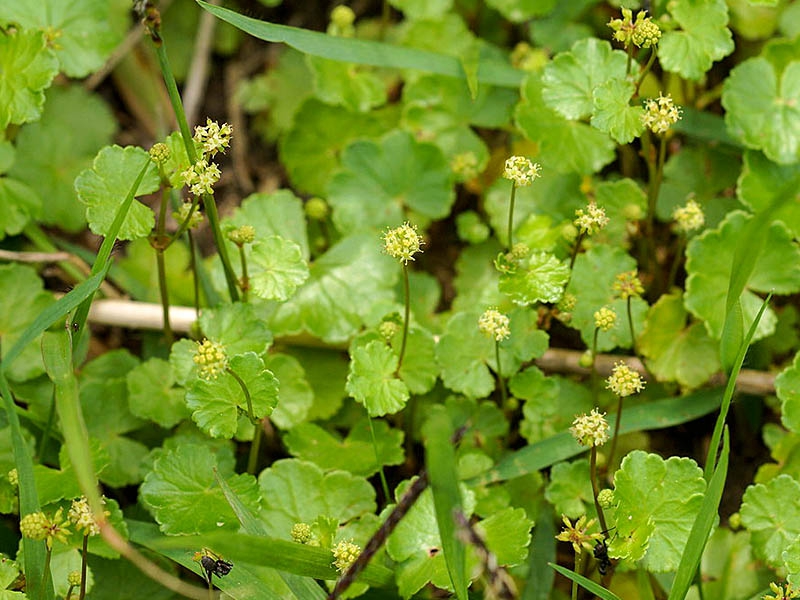
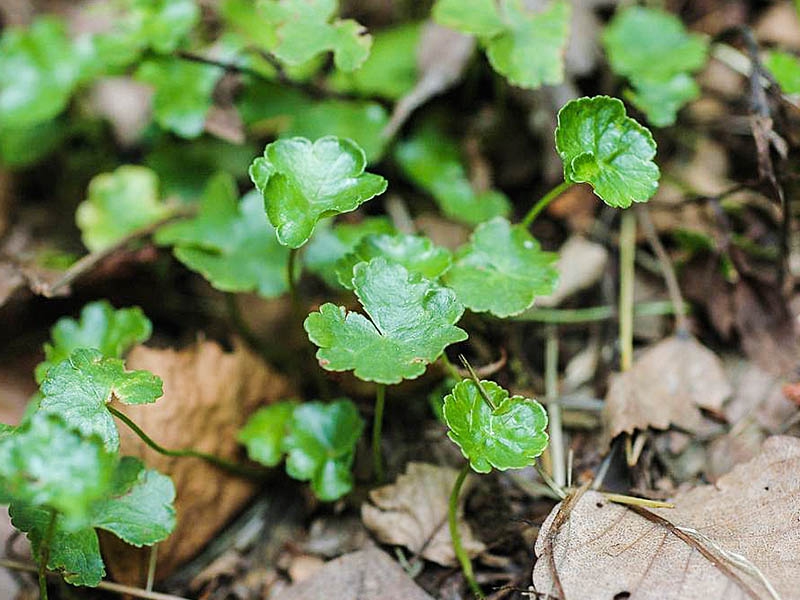
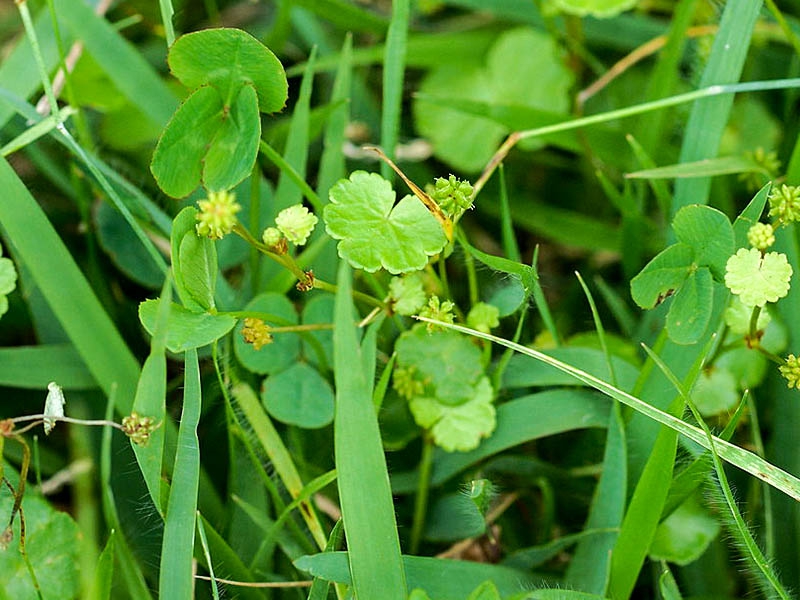
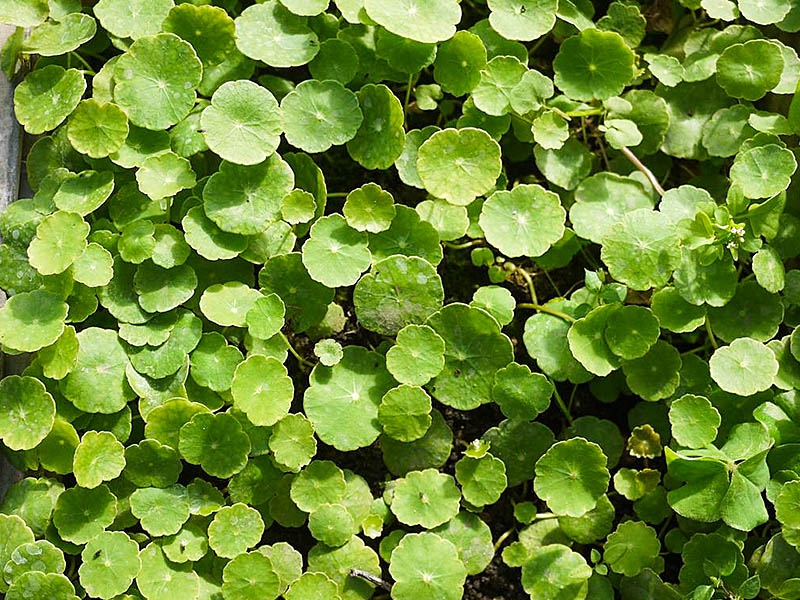
Hydrocotyle ramiflora is a perennial plant belonging to the Apiaceae family, native to Europe and parts of Asia. The following describes the plant's main growth characteristics, propagation methods, cultivation methods, garden uses, and important pests and diseases, as well as control methods. Growth Characteristics - Environment: It thrives in moist soil and prefers partial shade. - Size: It grows as a ground cover, typically reaching a height of 15 cm or less. - Leaves: Characterized by round leaves that grow at the tips of the stems. - Flowers: It blooms with small green or white flowers in the summer. Propagation Methods - Seeds: It can usually be propagated by direct sowing in the autumn. - Root Division: Divide the roots in spring or autumn to plant new plants. Cultivation Methods - Soil: Well-drained, organic-rich soil is suitable. - Watering: Maintain moisture but avoid overwatering. - Fertilizer: Using slow-release fertilizer during the growing season is recommended. Uses in the Garden - Ornamental: Used as a ground cover to cover the garden floor. - Wetland: Useful for landscaping in areas requiring moisture. Important Pests and Control Methods - Diseases: Fungal diseases may occur if moisture is excessive. This can be prevented through periodic ventilation and exposure to sunlight. - Pests: It may be susceptible to pests such as aphids; these can be removed by washing them off with soapy water or using plant-based insecticides. Regular monitoring and proper care can keep Lamiflora (Giant-leafed) healthy. It is important to create optimal growing conditions by adjusting the plant appropriately to the garden environment.
Plant Family
Apiaceae
Height
10~15cm
Colors
white
Bloom Period
June to August
Water Needs
commonly
Exposure
semi-shaded area
Freezing Resistance
-5°C
Jeju Pimaki
Hydrocotyle yabei
Watercoin
Hydrocotyle verticillata