English
한국어
English
Español
中文
हिंदी
Home
News
Community
Dictionary
English
한국어
English
Español
中文
हिंदी
View list
Baby trembling
Typha angustifolia
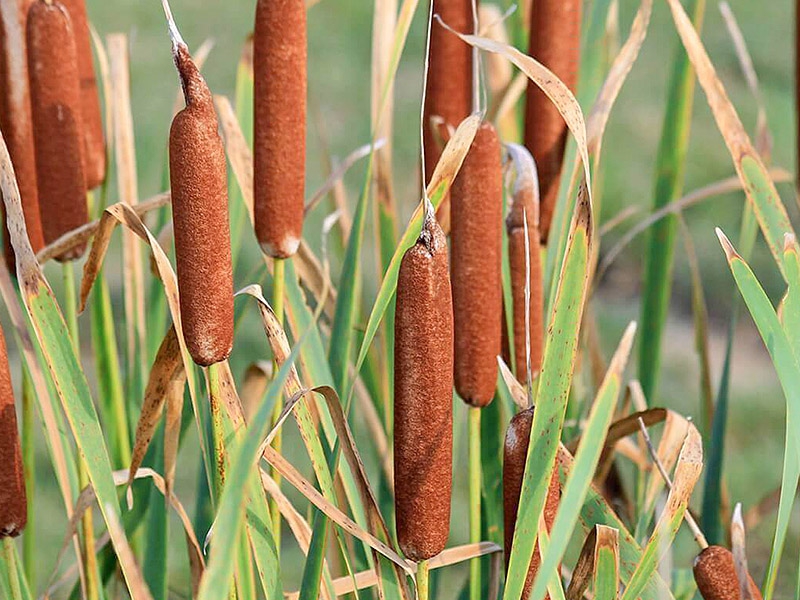
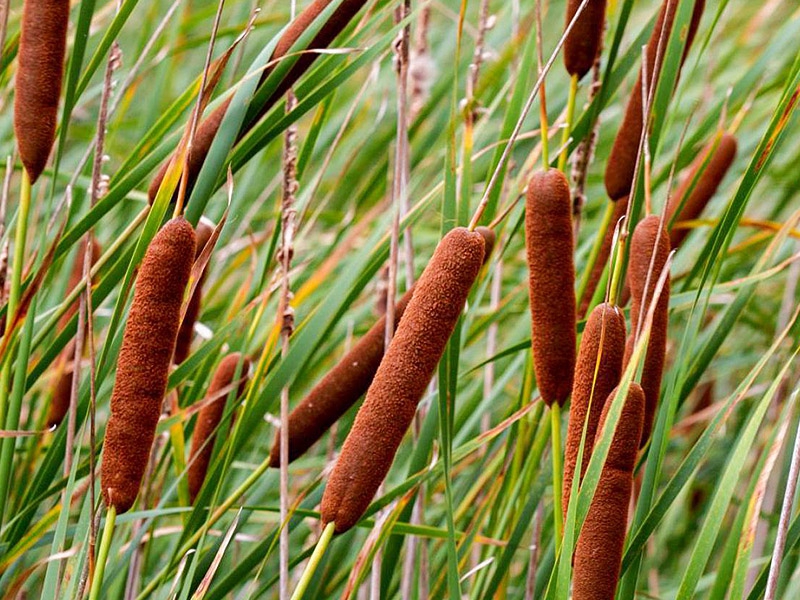
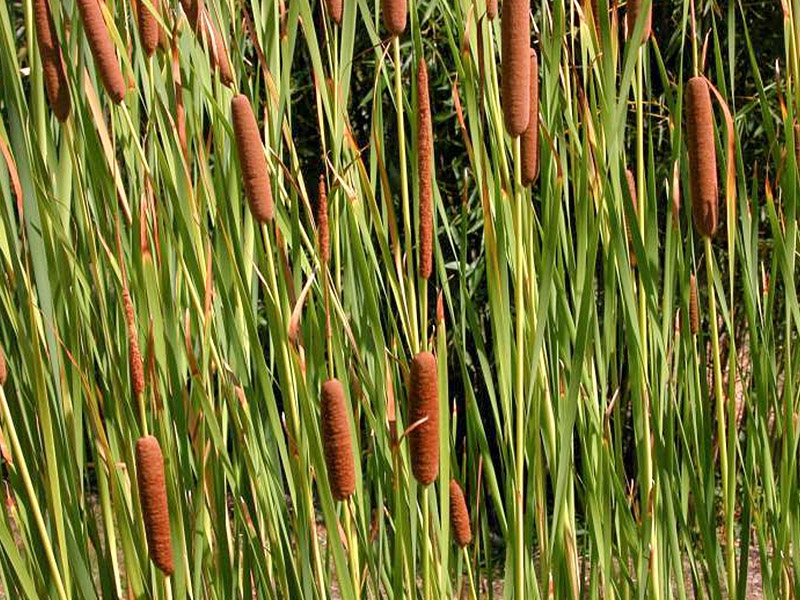
Typha angustifolia is a perennial herbaceous plant that grows in wetlands or near bodies of water. This plant features long, narrow leaves and characteristic reed-like inflorescences. The following describes the growth characteristics, propagation methods, cultivation methods, garden uses, and major pests and control methods for Typha angustifolia. Growth Characteristics - Environmental Conditions: Typha angustifolia thrives in sunny locations and environments with abundant water. It prefers moist soil and can survive in shallow water. - Growth Rate: It tends to grow rapidly and spreads quickly once established. - Tolerance: It is resistant to both cold and heat and exhibits excellent tolerance to various environmental stresses. Propagation Methods - Seed Propagation: It propagates through seeds produced from flowers, which can be widely dispersed by wind. - Root Division Propagation: This method involves roots spreading sideways to form new individuals, primarily propagating through rhizomes. Cultivation Methods - Planting: It is best to plant in moist soil along the edges of water or artificial ponds. When planting, maintain appropriate spacing to prevent the plants from becoming overcrowded. - Maintenance: It requires no special care and grows well in its natural state. Remove surrounding weeds as needed, and remove some plants to create space if they become overgrown. Uses in Gardens - Landscaping Plant: It adds a natural feel to waterside landscaping in gardens and is a useful plant for creating ecological ponds or wetlands. - Environmental Improvement: It has a water purification effect, positively impacting the natural ecosystem. - Walking Paths: It can attract wildlife and contribute to increasing biodiversity. Major Pests and Control Methods - Diseases: Cattails generally do not suffer from significant diseases. However, root rot can occur due to excessive moisture. - Pests: Pest damage is generally rare, but leaves may be damaged by some aquatic insects. - Control Methods: To prevent pests and diseases, plant at appropriate intervals to ensure good ventilation, and remove any affected areas if necessary. Maintaining ecological balance is more important than chemical control. This concludes our overview of the various characteristics and care methods for dwarf cattails. Thanks to their ability to blend well with nature, they can be an attractive element in your garden.
Plant Type
Plant Family
cattails and
Height
1.5~2m
Spread
Colors
yellow
Bloom Period
June~July
Water Needs
well
Exposure
Sunny
Freezing Resistance
-30°C
flag
Typha orientalis
large-leaved cattail
Typha latifolia