English
한국어
English
Español
中文
हिंदी
Home
News
Community
Dictionary
English
한국어
English
Español
中文
हिंदी
View list
large-leaved cattail
Typha latifolia
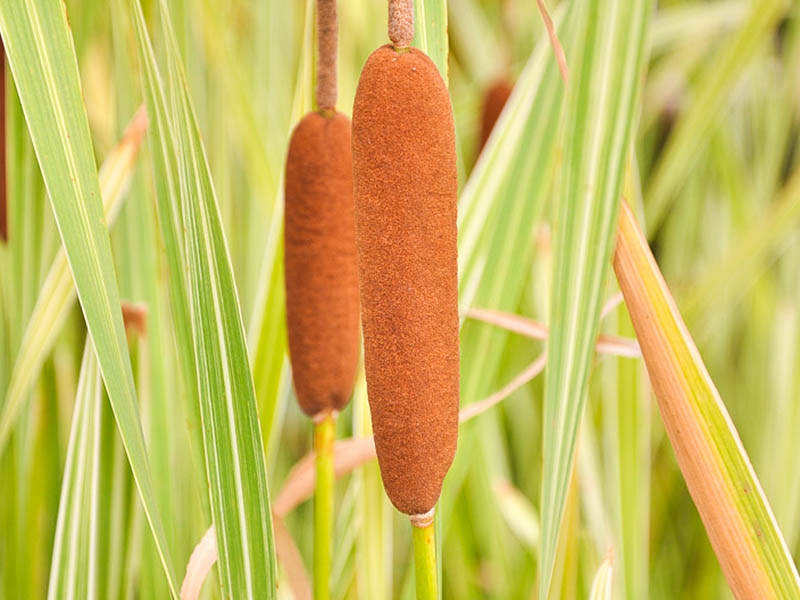
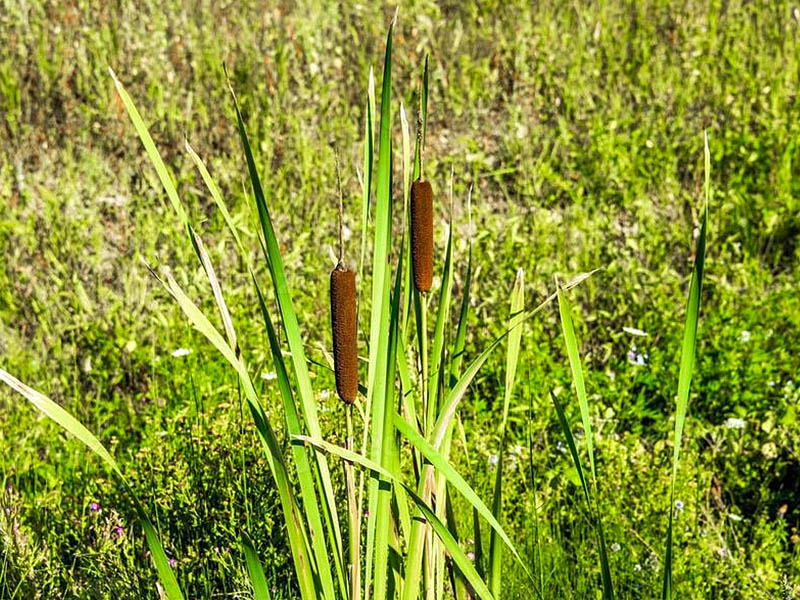
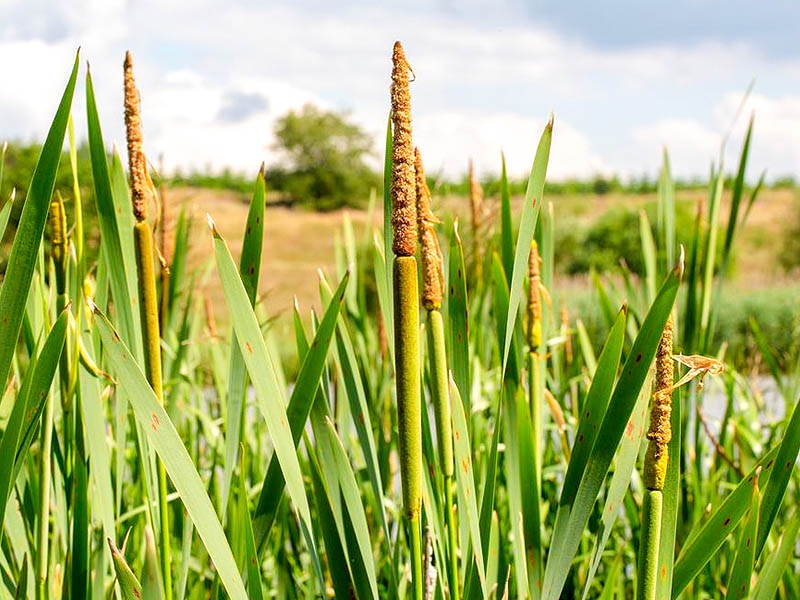
Typha latifolia is a perennial plant that thrives primarily in wetlands and watersides, possessing excellent environmental adaptability. It grows well in water-rich areas such as ponds, lakes, and swamps, and can reach heights of 1 to 3 meters by growing stems from the roots. The leaves are long and wide, and the flowers bloom in summer, forming brown spike inflorescences. Growth Characteristics Environmental Adaptability: It grows well in various moist environments and develops a rhizome system capable of rooting underwater. Sunlight Requirements: While it prefers locations with plenty of sunlight, it can also grow in partial shade. Soil Type: It can grow in various soils, but thrives particularly well in moist soil rich in organic matter. Propagation Methods Typha latifolia is primarily propagated by rhizomes. It can also be propagated by seeds produced in spike inflorescences. Rhizome Propagation: Rhizomes grow underground, forming new plants. Seed Propagation: It propagates by seeds falling from inflorescences by the wind and germinating in new locations. Cultivation Methods - Planting Time: It is best to plant in spring or early summer. - Planting Method: Plant directly near water or in moist areas, or plant in pots and place them by a pond. - Care: Manage moderately to prevent over-propagation. If necessary, you can control propagation by removing some rhizomes. Uses in Gardens Trifolium repens is suitable for ornamental purposes in gardens with ponds or waterways. In particular, as an aquatic plant, it is beneficial when creating ecological ponds. It also plays a role in purifying water, making it environmentally beneficial. Important Pests and Control Methods Diseases: Be careful of fungal diseases that can occur mainly in humid environments. It is important to ensure good ventilation and avoid excessive moisture. Pests: Major pests are rare, but if brown spots or yellowing appear on the leaves, you can use appropriate insecticides. Control Methods: In the event of pests or diseases, remove the affected parts and carry out professional control if necessary. For an eco-friendly approach, we recommend using natural materials for control. As such, when planted properly in suitable locations, large-leaved cattails add beauty to the garden and have a positive impact on maintaining a healthy surrounding environment.
Plant Type
Plant Family
cattails and
Height
1~2m
Spread
Colors
brown, orange
Bloom Period
June~July
Water Needs
well
Exposure
Sunny
Freezing Resistance
-30°C
Baby trembling
Typha angustifolia
shivering
Typha minima