English
한국어
English
Español
中文
हिंदी
Home
News
Community
Dictionary
English
한국어
English
Español
中文
हिंदी
View list
henbane
Hyoscyamus niger
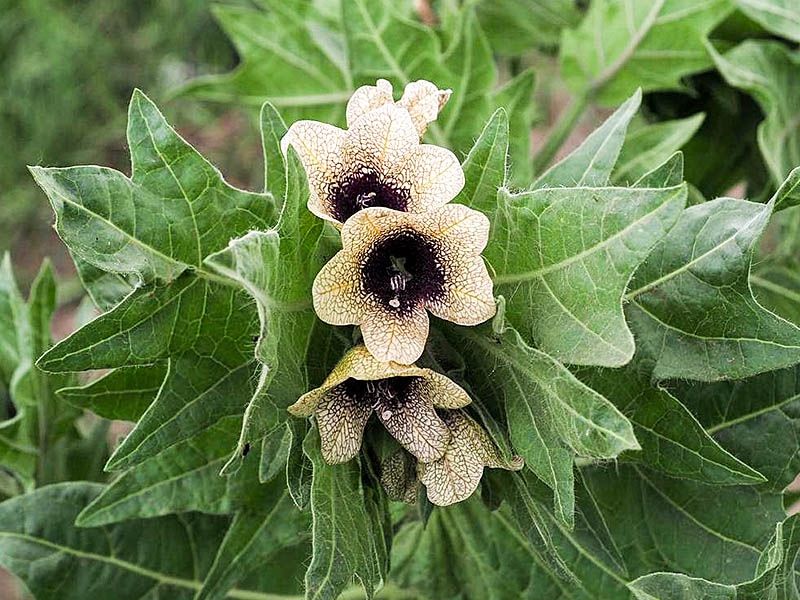
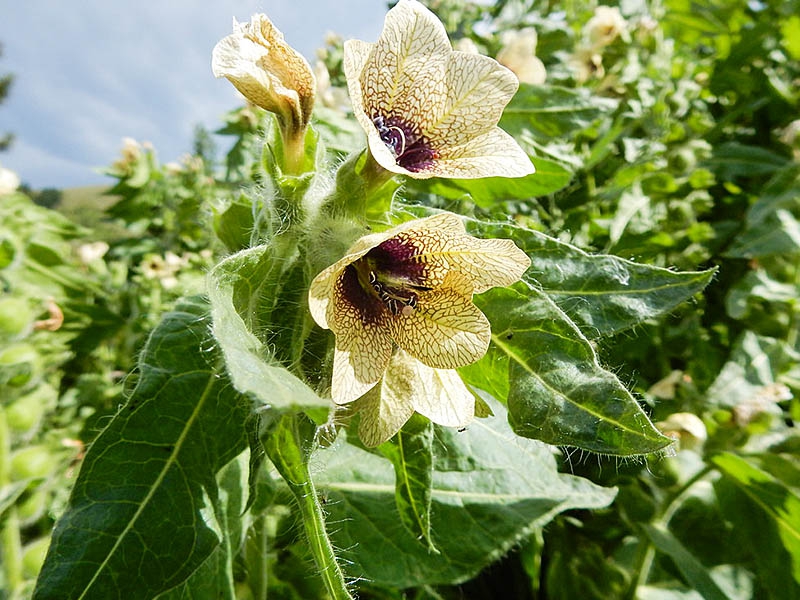
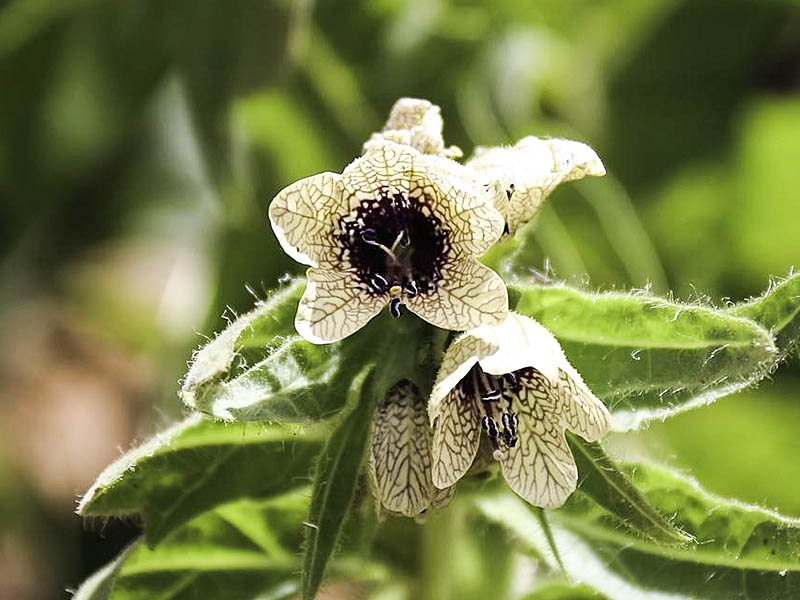
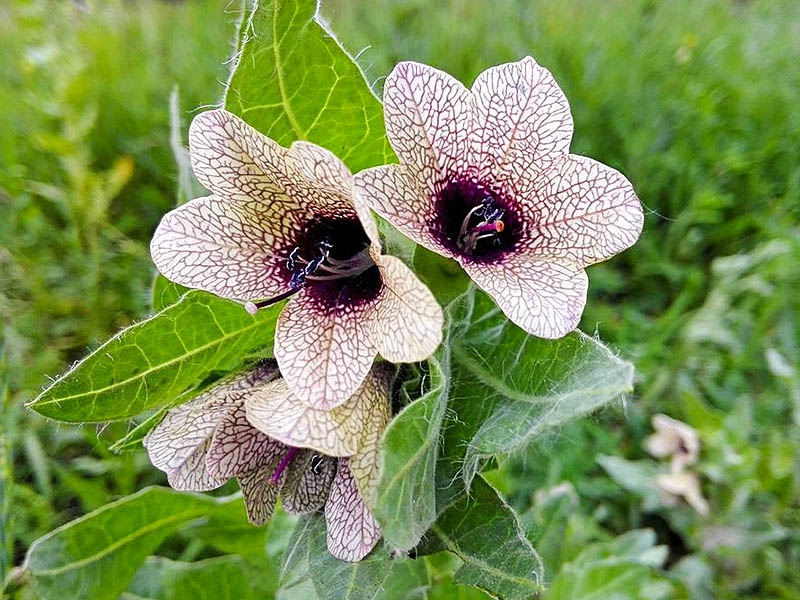
Hyoscyamus niger is a plant primarily distributed in Europe and Asia and is known to be poisonous. The following is information regarding the growth characteristics, propagation methods, cultivation methods, garden uses, major pests, and control methods of Hyoscyamus niger. Growth Characteristics - Environmental Requirements: Hyoscyamus thrives in sunny locations and prefers well-drained soil. - Size: It generally grows to a height of 30 to 100 cm; its leaves are light green and serrated. - Flowers: It produces small yellow flowers. Propagation Methods - Seed Propagation: It propagates by seeds, which are typically sown in the spring. - Germination Conditions: To increase the germination rate, it is recommended to germinate seeds in slightly cool soil. Cultivation Methods - Sowing Time: It is best to sow in the spring or autumn. - Location: Plant in a sunny location with good ventilation. - Soil Preparation: Prepare the soil for good drainage and add compost or fertilizer as needed. Use in the Garden - Warning Signs: It is recommended to attach warning signs when planting in the garden, as it is toxic. - Ornamental Value: It is also used for ornamental purposes due to the unique shape of its leaves and flowers. Important Pests and Control Methods - Diseases: Root rot may occur due to excessive moisture. Ensure good drainage. - Pests: Aphids may appear in the early stages after transplanting; control them using appropriate insecticides. - Physical Control: Prevent pests and diseases by maintaining spacing to avoid overcrowding. Since Saripul niger is a highly toxic plant, caution is required when handling it. Although it can grow in various environmental conditions, the location and intended use must be carefully determined when planting it in the garden, considering its toxicity.
Plant Family
Solanaceae
Height
50~80cm
Colors
yellow
Bloom Period
June~July
Water Needs
commonly
Exposure
Sunny
Freezing Resistance
-15°C
Byeongyaja
Hyophorbe lagenicaulis
Mangjonghwa
Hypericum patulum