English
한국어
English
Español
中文
हिंदी
Home
News
Community
Dictionary
English
한국어
English
Español
中文
हिंदी
View list
shivering
Typha minima
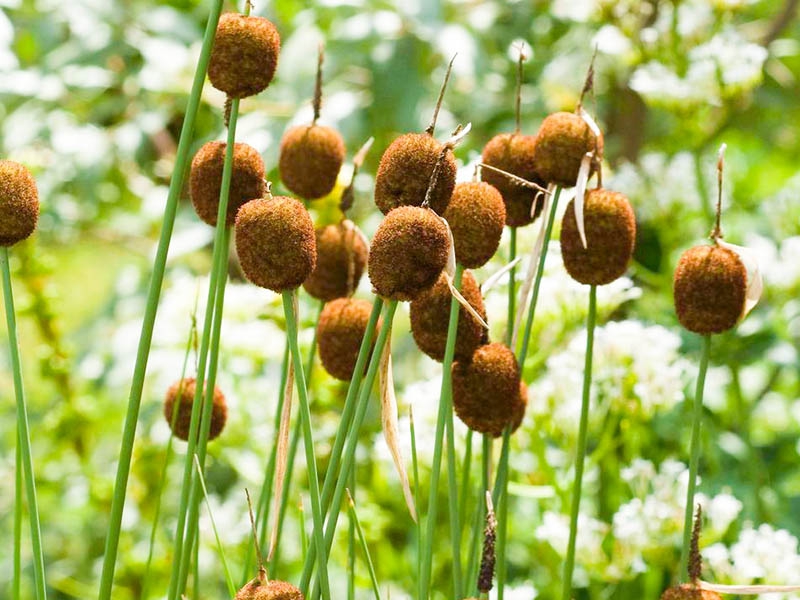
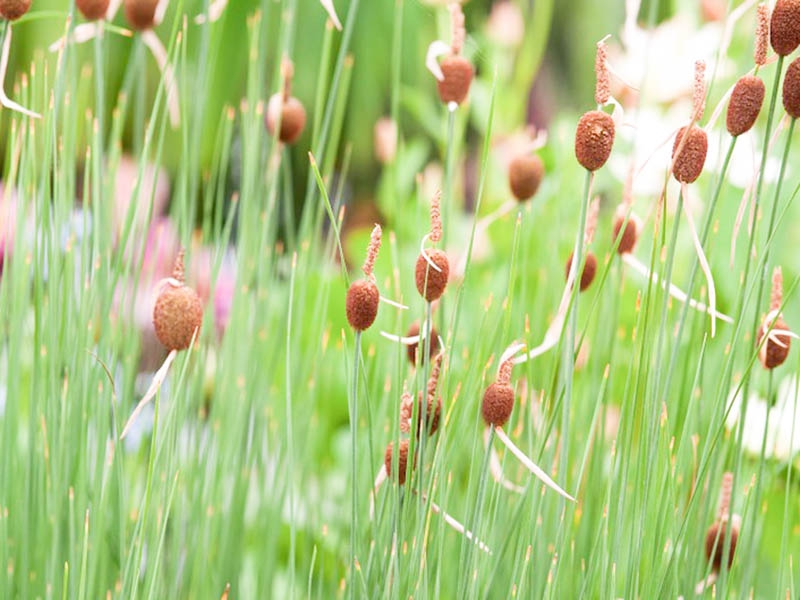
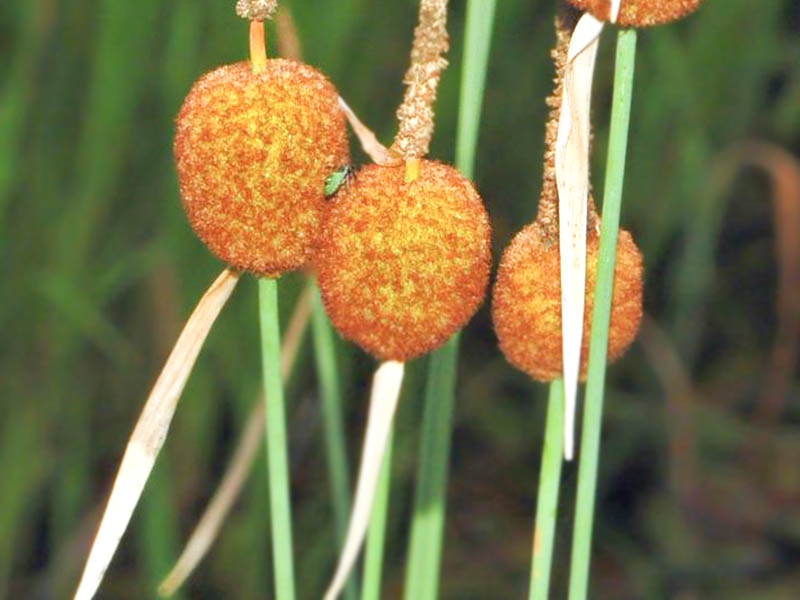
Typha minima possesses the following characteristics and methods of growth: Growth Characteristics - Habitat: It thrives primarily in riparian areas such as wetlands, ponds, and stream banks. - Size: It is smaller than other cattail species, typically growing to a height of 30–60 cm. - Leaves: It is characterized by thin, long leaves that are linear in shape. Propagation Methods - Seed Propagation: It reproduces by seeds that spread easily by wind. Seeds that fall from the parent plant may float on water, allowing them to spread over long distances. - Root Propagation: It also reproduces by roots spreading sideways to form new individuals. Cultivation Methods - Soil: It prefers a moist environment and grows well in well-drained soil. - Sunlight: It prefers sunny locations but can also grow in partial shade. - Water: As a water-loving plant, it thrives in areas where the water level remains constant. Use in Gardens - Decorative Use: With its small and delicate appearance, it provides a decorative effect when planted in garden ponds or along waterfronts. - Ecological Function: It creates wetlands to provide habitats for various organisms and is also utilized as a plant with water purification capabilities. Important Pests and Control Methods - Pests and Diseases: Although Trifolium repens is relatively resistant to disease, it may be susceptible to pest damage in waterfront environments. - Control Methods: To prevent pests, early detection through regular observation is crucial, and eco-friendly pesticides can be used as needed. Pests and diseases can be prevented by managing water flow and maintaining an appropriate environment. This information is general in nature, so it is necessary to adjust it appropriately to suit your actual cultivation environment.
Plant Type
Plant Family
cattails and
Height
30~60cm
Spread
30~60cm
Colors
brown
Bloom Period
April to August
Water Needs
commonly
Exposure
Sunny
Freezing Resistance
-30°C
large-leaved cattail
Typha latifolia
Little cattail
Typha laxmannii