English
한국어
English
Español
中文
हिंदी
Home
News
Community
Dictionary
English
한국어
English
Español
中文
हिंदी
View list
Little cattail
Typha laxmannii
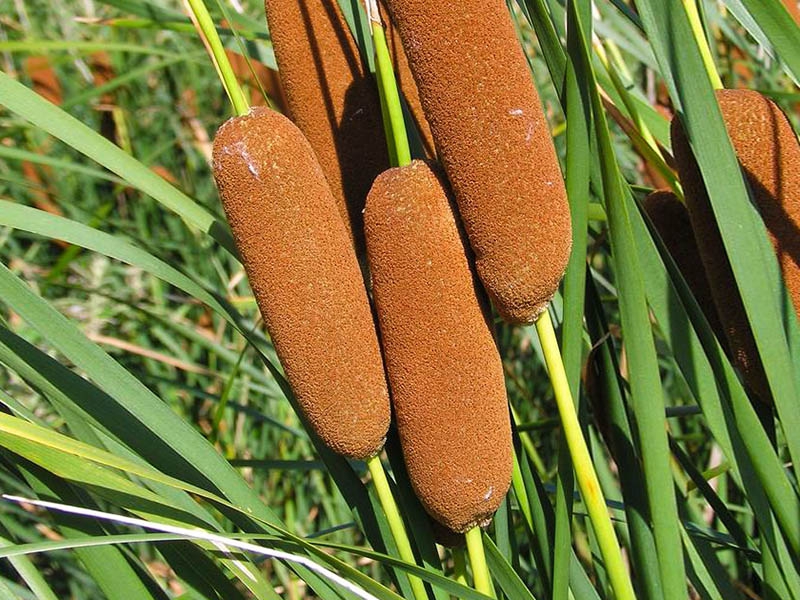
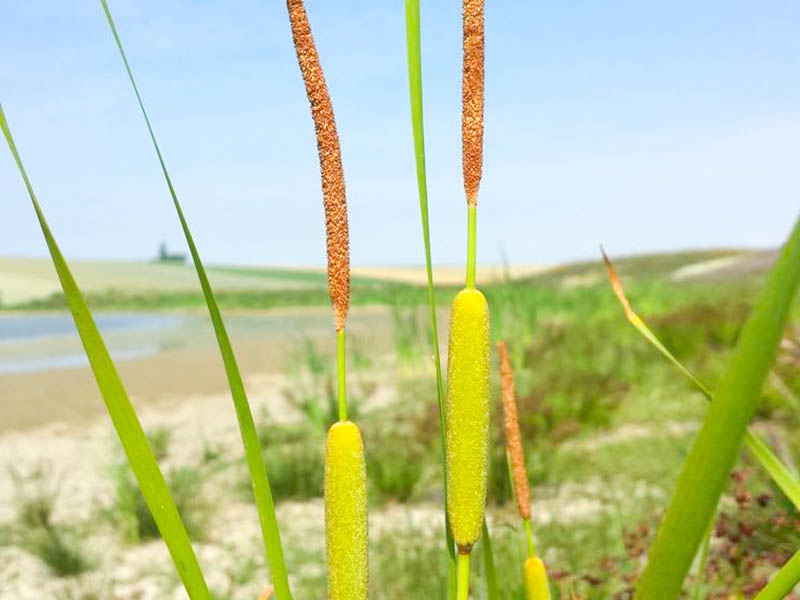
Growth Characteristics Typha laxmannii is a perennial herbaceous plant that grows along watersides or in wetlands, primarily found in Europe and Asia. This plant is short with narrow leaves and forms characteristic brown flower spikes during the summer. Propagation Methods It can be propagated by seeds or rhizomes. Seed propagation occurs mainly in nature, where seeds scattered in the spring germinate and grow into new plants. Rhizome propagation involves dividing and planting the rootstock, which is useful for artificially promoting propagation. Cultivation Methods - Soil: Moist clay or loamy soil is suitable, and a well-drained location is preferred. - Water Management: It is best planted along the waterside, and a continuous supply of water is required. - Sunlight: It thrives in full sun, but can also grow in partial shade. Uses in Gardens Typha laxmannii is popular as an ornamental plant along watersides in gardens. It can provide a natural feel when creating ponds or wetlands and is also used for ecosystem restoration. Important Pests and Control Methods While Typha angustifolia is relatively resistant to pests and diseases, it may experience the following issues: - Diseases: Leaf yellowing or rot may occur. In such cases, regulate the supply of excessive water or nutrients. - Pests: Common pests include aphids; control them using insecticides if necessary. It is also important to regularly remove weeds to reduce competition.
Plant Type
Plant Family
cattails and
Height
90~150cm
Spread
30~90cm
Colors
brown
Bloom Period
July~August
Water Needs
commonly
Exposure
Sunny
Freezing Resistance
-30°C
shivering
Typha minima
large-leaved cattail
Typha latifolia 'Variegata'