English
한국어
English
Español
中文
हिंदी
Home
News
Community
Dictionary
English
한국어
English
Español
中文
हिंदी
View list
large-leaved cattail
Typha latifoli
'Variegata'
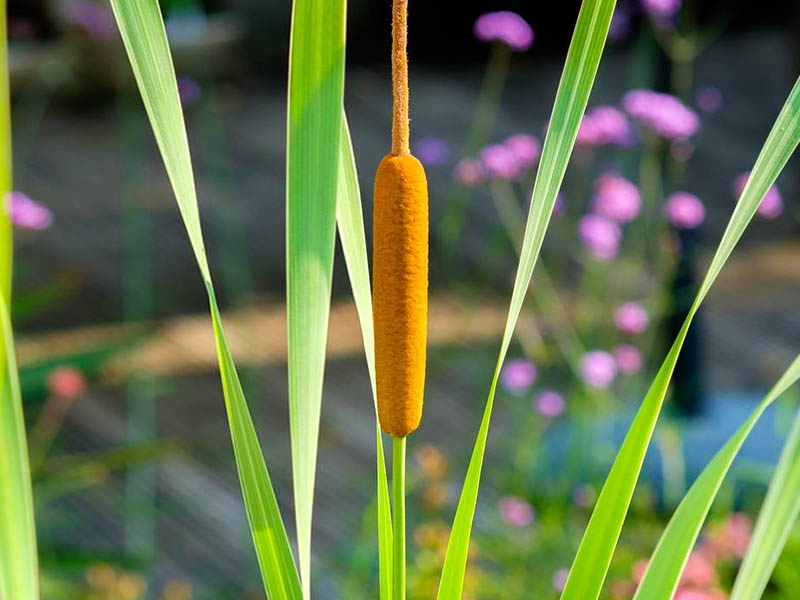
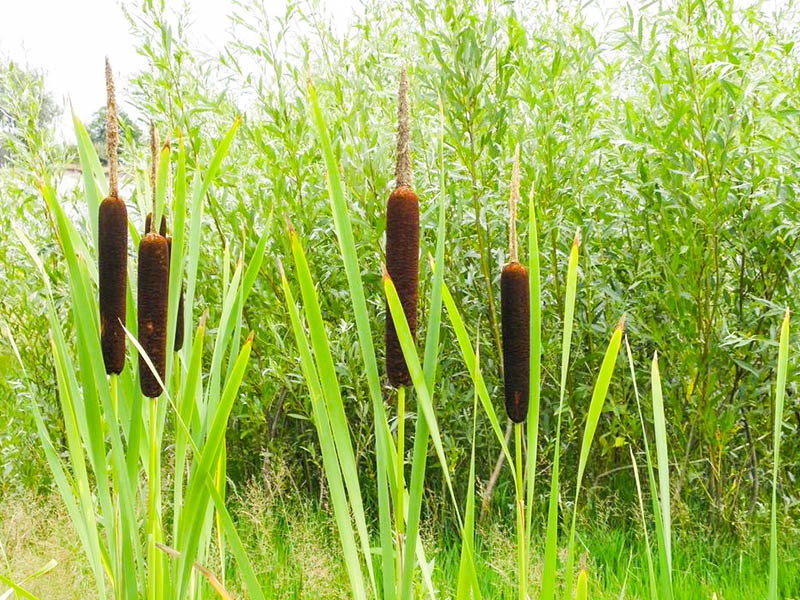
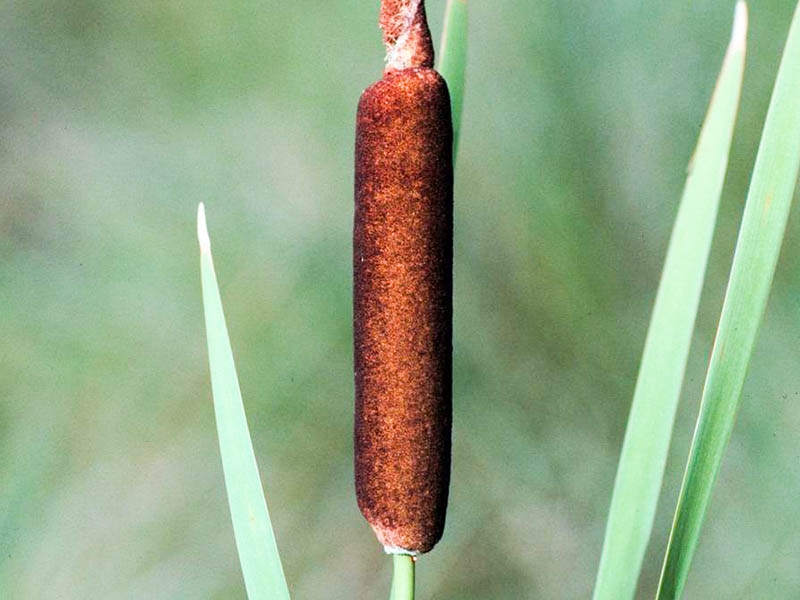
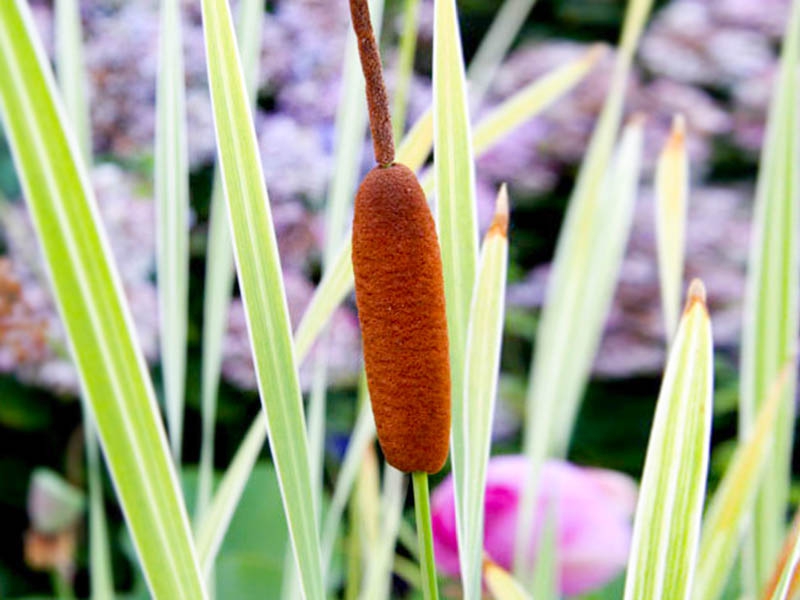
Typha latifolia 'Variegata' is an aquatic plant with leaves featuring unique patterns, and it is well-suited for growing around ponds or wetlands. Growth Characteristics - Environment: It prefers sunlight but can also thrive in partial shade. It is important to maintain adequate moisture in well-draining soil. - Temperature: It is suitable for temperate climates. Although the leaves disappear during the winter, the roots survive, and new shoots emerge in the spring. Propagation Methods - Division: It can be propagated by root division in spring or autumn. Simply divide the roots into appropriate sizes and plant them. Cultivation Methods - Planting: Initially, water thoroughly to help the roots establish themselves. It is ideal to plant along the edge of a pond or near the water. - Care: During the growing season, water regularly and fertilize as needed. Occasional separation is necessary to prevent overgrowth. Uses in the Garden - It is excellent for naturally decorating watersides. - The variegated leaves can add a visual accent to monotonous waterside environments. Important Pests and Control Methods - Diseases: While generally resistant to diseases, proper drainage management is necessary as root rot can occur in cases of excessive moisture. - Pests: There are no specific pests, but they can be prevented through general garden pest control. Eco-friendly insecticides may be used if necessary. This information will help you grow variegated cattails healthily and utilize them beautifully in your garden.
Plant Type
Plant Family
cattails and
Height
90~210cm
Spread
30~60cm
Colors
brown
Bloom Period
March to August
Water Needs
commonly
Exposure
Sunny
Freezing Resistance
-30°C
Little cattail
Typha laxmannii
Dokgakryeon Giganteum
Typhonium giganteum