English
한국어
English
Español
中文
हिंदी
Home
News
Community
Dictionary
English
한국어
English
Español
中文
हिंदी
View list
Spiraea
Hypolepis punctata
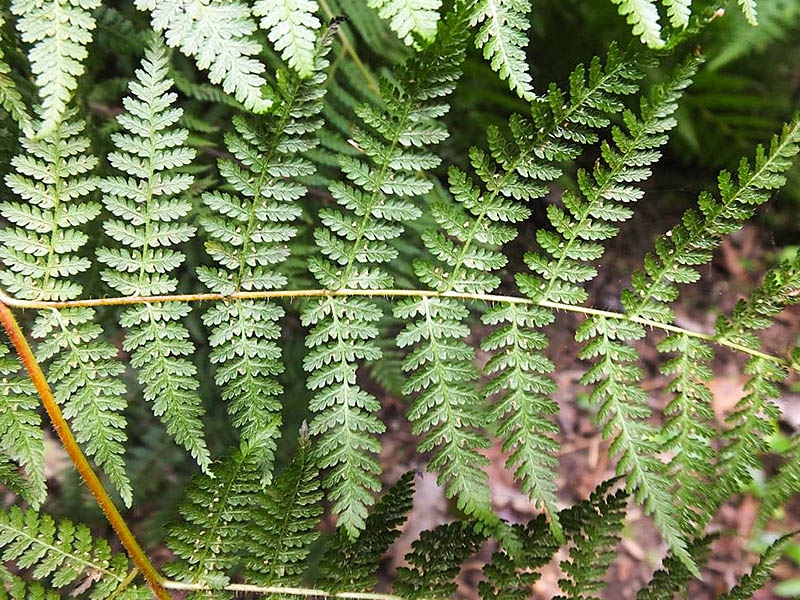
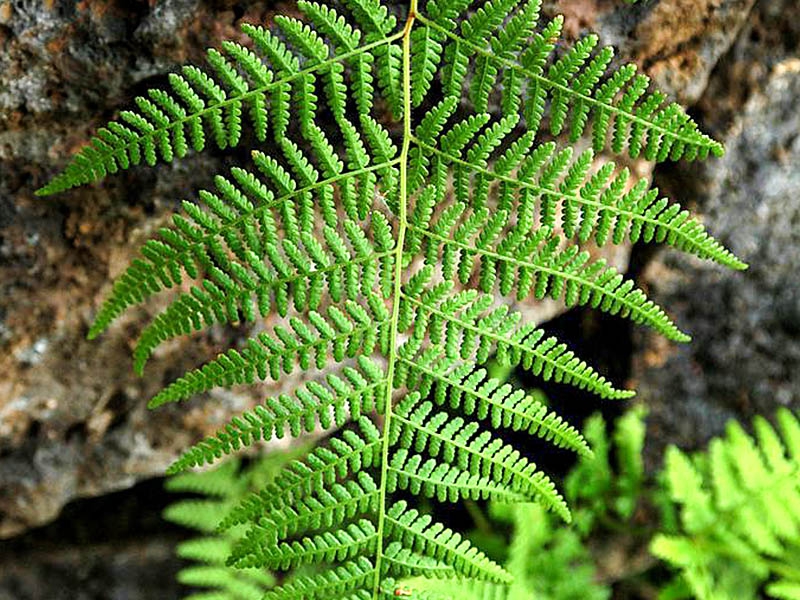
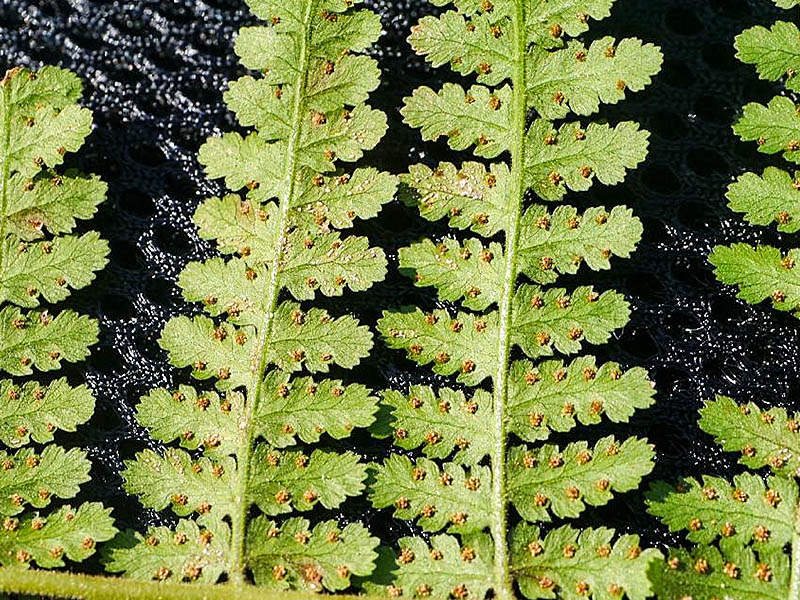
Hypolepis punctata is a type of fern that prefers partial shade and moisture. This document explains the plant's main growth characteristics, propagation methods, cultivation techniques, garden uses, and important pests and diseases, as well as control methods. Growth Characteristics - Environmental Requirements: Hypolepis punctata thrives in partial shade and grows healthiest in moist soil. Exposure to excessive sunlight can cause the leaves to burn or dry out. - Soil: Well-draining soil rich in humus that retains moisture is optimal. - Humidity: Since it prefers relatively high humidity, it is recommended to use a humidifier or mist the plant regularly when growing it indoors. Propagation Methods - Spore Propagation: Hypolepis punctata reproduces via spores. Sow mature spores on the soil, cover with a light layer of soil, and water to induce germination. - Division: Propagation can also be done by dividing the root ball. This method is best performed in spring or autumn, just before the plant begins active growth. Cultivation Method - Watering: Keep the soil moist at all times, but avoid excessive watering. Pay attention to drainage to ensure good water retention. - Fertilizer: During the growing season (spring and summer), it is recommended to apply diluted liquid fertilizer every two weeks. - Pruning and Care: Periodically remove old or dead leaves to promote new growth. Garden Use - Landscape Creation: The Japanese snail fern is excellent for use in shaded gardens or as a cover plant under trees. Its lush green foliage provides a refreshing visual effect. - Perennial Flowerbeds: It can be used alongside other perennials to enhance the ecological diversity of the garden. Important Pests and Control Methods - Diseases: Fungal diseases may occur in humid environments. Ensure good ventilation and use appropriate fungicides if necessary. - Pests: Aphids or scale insects may occur; upon early detection, they can be physically removed using soapy water or alcohol. - Preventive Care: It is important to regularly check the condition of the plants and respond promptly if early symptoms of pests or diseases are detected. Based on this information, you can grow healthy stigma ferns and increase their utility in the garden.
Plant Family
Fern family
Height
30∼50cm
Colors
sporophyte
Bloom Period
June to September (spore period)
Water Needs
commonly
Exposure
semi-shaded area
Freezing Resistance
-10°C
Hippoistes sanguinolenta
Hypoestes sanguinolenta
Flavolimbatum moss
Hypopterygium flavolimbatum