English
한국어
English
Español
中文
हिंदी
Home
News
Community
Dictionary
English
한국어
English
Español
中文
हिंदी
View list
Hyssop
Hyssopus officinalis
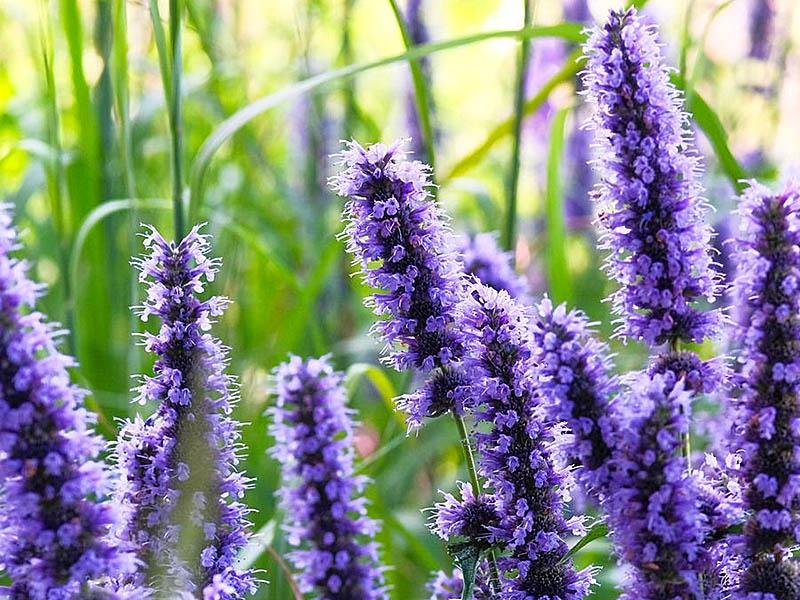
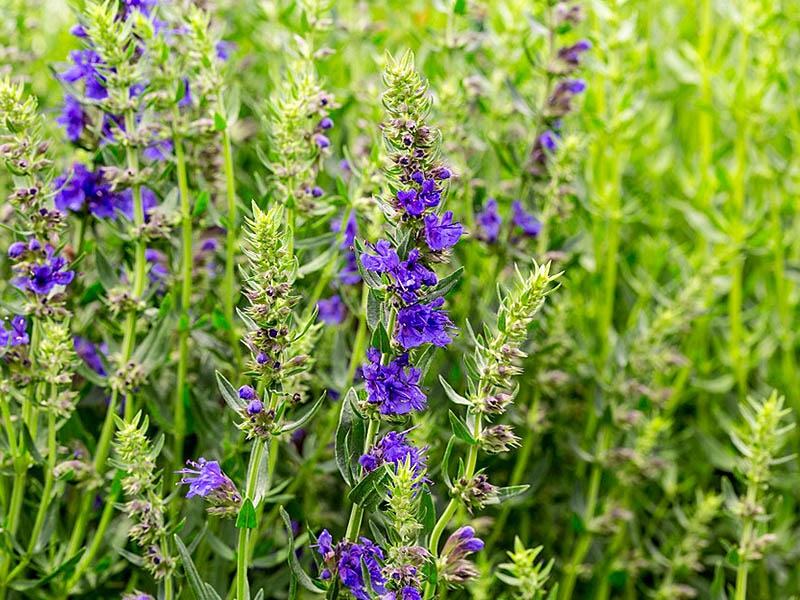
Hyssopus officinalis is a perennial herb native to the Mediterranean region. This plant possesses the following characteristics regarding growth, propagation, cultivation, garden uses, and major pests and diseases, as well as control methods. Growth Characteristics - Height: It typically grows to a height of 30–60 cm. - Leaves and Flowers: It has long, slender leaves and produces flowers in various colors, including purple, pink, and white. - Fragrance: It emits a strong scent that attracts bees and butterflies. - Environmental Conditions: It prefers locations with plenty of sunlight and well-drained soil. It can also tolerate cold climates. Propagation Methods - Seed Propagation: Sow seeds indoors in the spring to germinate, then transplant them outdoors in late spring. - Cuttings: Cut healthy stems in the summer and either place them in water to encourage rooting or plant them directly in soil. Cultivation Method - Soil Preparation: Select a location with good drainage and moderate fertility. - Planting: Plant seeds or seedlings in spring or early summer. Space seedlings approximately 30 to 45 cm apart. - Watering: Since it prefers dry conditions, it does not require excessive watering. It is best to water when the soil becomes dry. - Fertilization: It does not require excessive fertilizer, but it is beneficial to apply appropriate organic fertilizer during the growing season. - Pruning: Shape the plant by pruning in the latter part of the season, and cover it with a mulch during the winter for insulation. Uses in the Garden - Ornamental: Its colorful flowers and foliage make it excellent for garden decoration. - Medicinal and Culinary Uses: It is used as a spice and has traditionally been utilized for medicinal purposes. - Ecosystem: It attracts bees and butterflies, enhancing biodiversity in the garden ecosystem. Important Pests and Control Methods - Diseases: Leaf mold or root rot may occur in excessive moisture. - Control Method: Improve drainage and create an environment with good air circulation. - Pests: May be damaged by aphids or moths. - Control Method: Use natural insecticides or spray with eco-friendly soapy water. Hyssop is a beautiful and versatile plant, so with proper care, you can enjoy it in your garden.
Plant Family
Lamiaceae
Height
40∼60cm
Colors
White, pink, blue
Bloom Period
June to August
Water Needs
commonly
Exposure
Sunny
Freezing Resistance
-20°C
Yellow Star Repair
Hypoxis aurea
Broad-leaved iris
Iris rossii
var.
latifolia