English
한국어
English
Español
中文
हिंदी
Home
News
Community
Dictionary
English
한국어
English
Español
中文
हिंदी
View list
Broad-leaved iris
Iris rossii
var.
latifolia
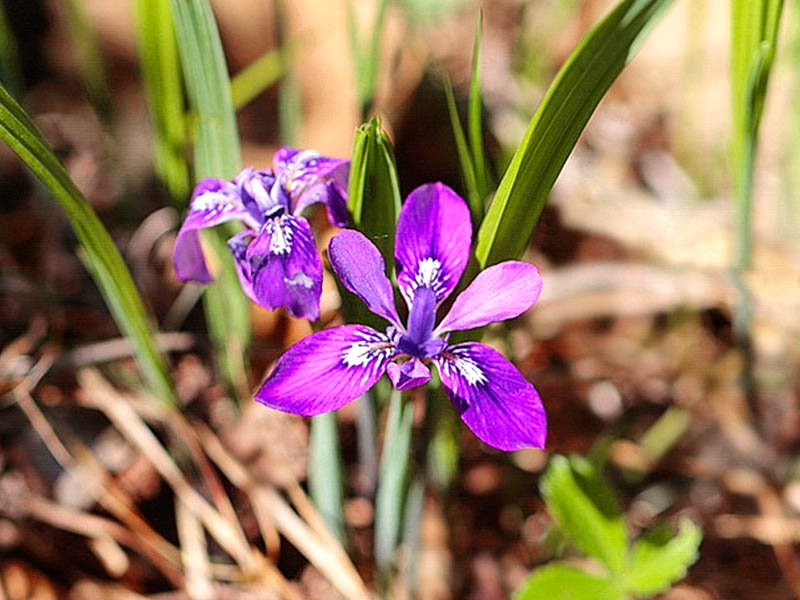
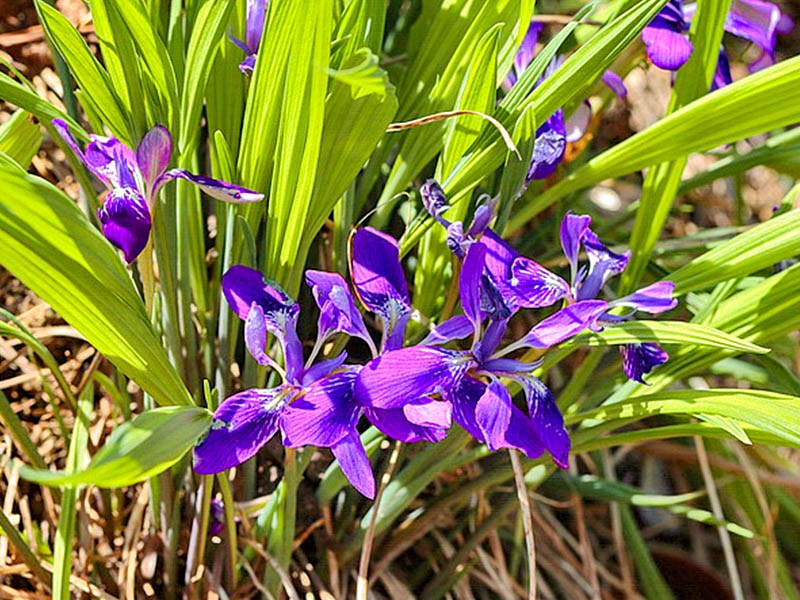
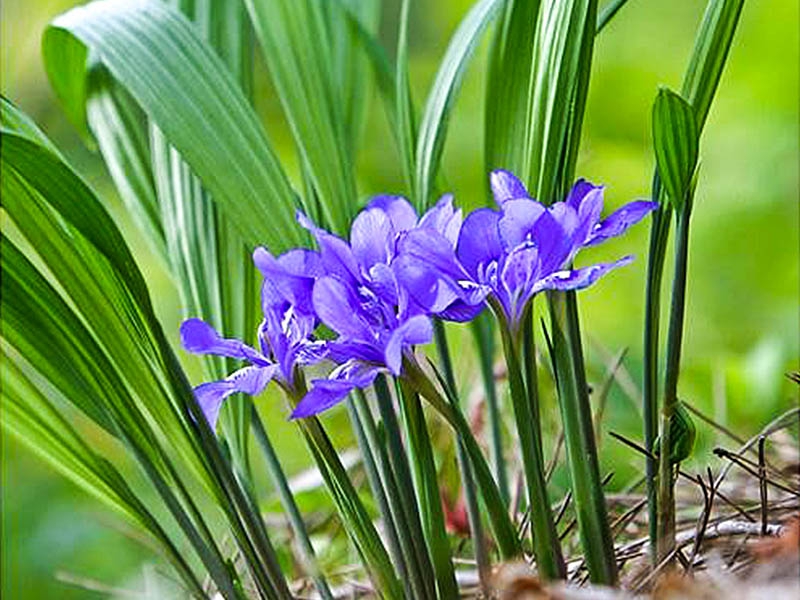
Iris rossii var. latifolia is a perennial plant native to Asia, primarily found in Korea and China. Let’s examine its growth characteristics, propagation methods, cultivation techniques, garden uses, and major pests and diseases, as well as control methods. Growth Characteristics: Iris rossii var. latifolia thrives in sunny locations, and adequate moisture and drainage are important environmental factors. Fertile clayey or sandy loam soil is suitable. This plant blooms from late spring to early summer, with flowers typically exhibiting purple or blue hues. Propagation Methods: Propagation is primarily carried out through division and seeds. Division is performed between late winter and early spring by selecting healthy roots and dividing them into appropriate sizes. For seed propagation, seeds are sown directly after harvesting or seedlings are grown indoors and then transplanted. Cultivation Methods: - Planting Time and Location: It is appropriate to plant in spring or autumn, and select a sunny location. - Soil Preparation: Prepare well-drained and fertile soil. - Watering: Consistent watering is necessary during the growing season, but overwatering should be avoided. - Fertilizer Management: Use fertilizer suitable for the plant's growth period. Generally, fertilizers containing phosphorus are beneficial. Uses in Gardens: The Broad-leaved Iris is a beautiful flower used for landscaping along the borders of gardens or flowerbeds, and it is also suitable for planting in low-lying flowerbeds. Additionally, as it adapts well to the environment, it fits well in naturalistic gardens. Major Pests and Diseases and Control Methods: - Diseases: Major diseases include fungal leaf mold and powdery mildew. To prevent this, ensure good ventilation and plant at appropriate intervals. If infected, remove diseased parts and use an appropriate fungicide if necessary. 2. Pests: Aphids, moth larvae, etc., may occur. Upon early detection, remove them by hand or control them using an oil spray. Through these characteristics and management methods, you can grow healthy Iris ensata and cultivate a beautiful garden.
Plant Family
Iris family
Height
10~20cm
Colors
purple
Bloom Period
April~May
Water Needs
commonly
Exposure
Sunny
Freezing Resistance
-30°C
Hyssop
Hyssopus officinalis
Bride's fan iris
Iris neosetosa