English
한국어
English
Español
中文
हिंदी
Home
News
Community
Dictionary
English
한국어
English
Español
中文
हिंदी
View list
Meogwi tree
Zanthoxylum ailanthoides
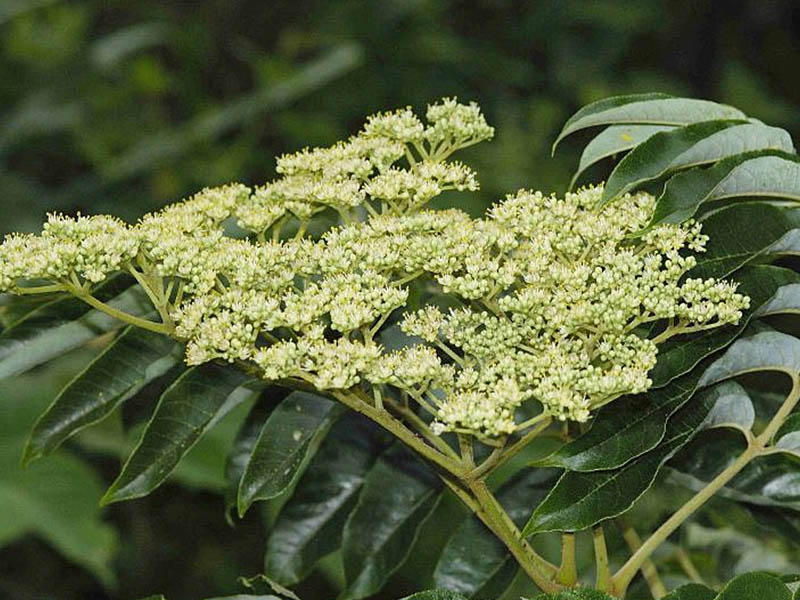
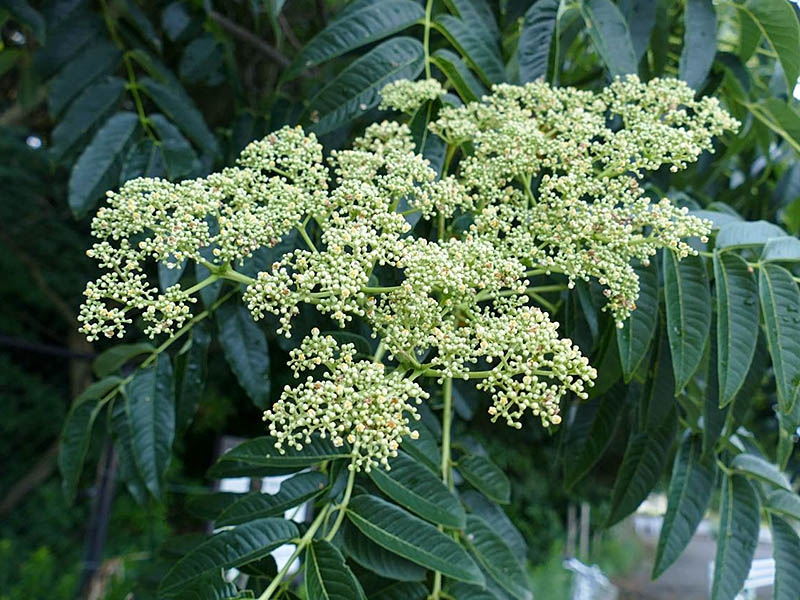
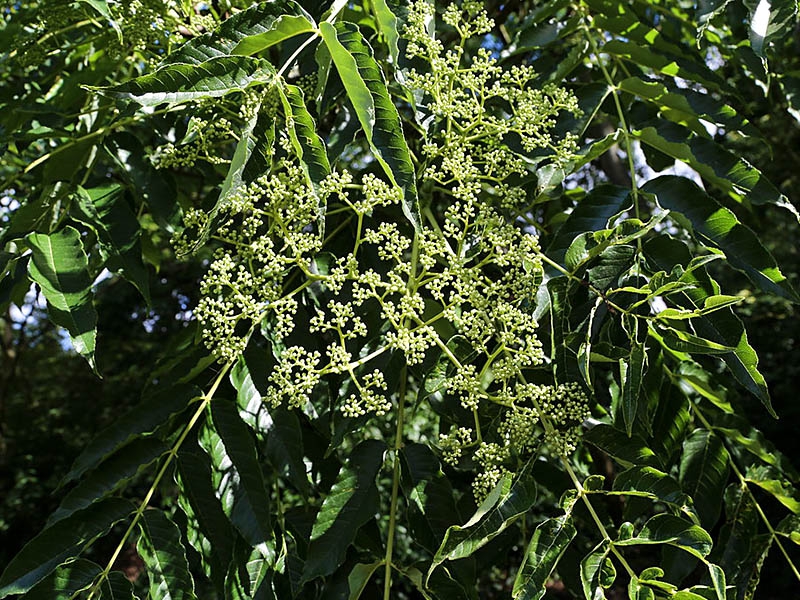
Zanthoxylum ailanthoides is a deciduous broad-leaved tree belonging to the family Zanthoxylum, primarily distributed in East Asia, including Korea, Japan, and China. The following is information regarding the tree's growth characteristics, propagation methods, cultivation practices, garden uses, and major pests and diseases, as well as control methods. Growth Characteristics - Environmental Adaptability: Zanthoxylum ailanthoides has relatively strong environmental adaptability and grows well in various soil conditions. However, it prefers well-drained soil and sunny locations. - Size: Mature trees typically grow up to 10–15 meters in height. - Leaves: The leaves are alternate and pinnately compound. The margins of the leaves are serrated. Propagation Methods - Seed Propagation: Harvest mature fruits in the autumn, extract the seeds, dry them for storage, and sow them in the spring. Cold treatment or briefly soaking the seeds in water is recommended to increase the germination rate. - Cutting Propagation: It is also possible to propagate by cutting branches in the summer. After propagating by cuttings, it is important to maintain consistent temperature and humidity. Cultivation Method - Soil: Well-drained soil is preferred, and a pH in the slightly acidic to neutral range is recommended. - Watering: Water only during dry periods, and avoid overwatering during the summer. - Fertilizer: Applying slow-release fertilizer in the spring is recommended. Uses in Gardens - Ornamental Tree: It is widely used as a garden tree due to its beautiful pinnate compound leaves. - Windbreak: It is relatively wind-resistant, making it suitable as a windbreak in windy regions. Important Pests and Diseases & Control Methods - Diseases: Although it is relatively resistant to diseases, fungal diseases may occasionally occur on the leaves. As a preventive measure, ensure good ventilation and remove infected leaves early. - Pests: Pests such as aphids may occur. When pests appear, control is possible using eco-friendly insecticides or natural enemies. The Japanese quince tree tends to grow well without special care, but you can cultivate it even more healthily by following the basic care methods mentioned above.
Plant Type
Plant Family
Rutaceae
Height
15m
Spread
Colors
Green, white
Bloom Period
May
Water Needs
commonly
Exposure
Sunny
Freezing Resistance
-15°C
King pepper tree
Zanthoxylum simulans
Gae-san-cho
Zanthoxylum armatum