English
한국어
English
Español
中文
हिंदी
Home
News
Community
Dictionary
English
한국어
English
Español
中文
हिंदी
View list
Nanti tree
Ulmus laciniata
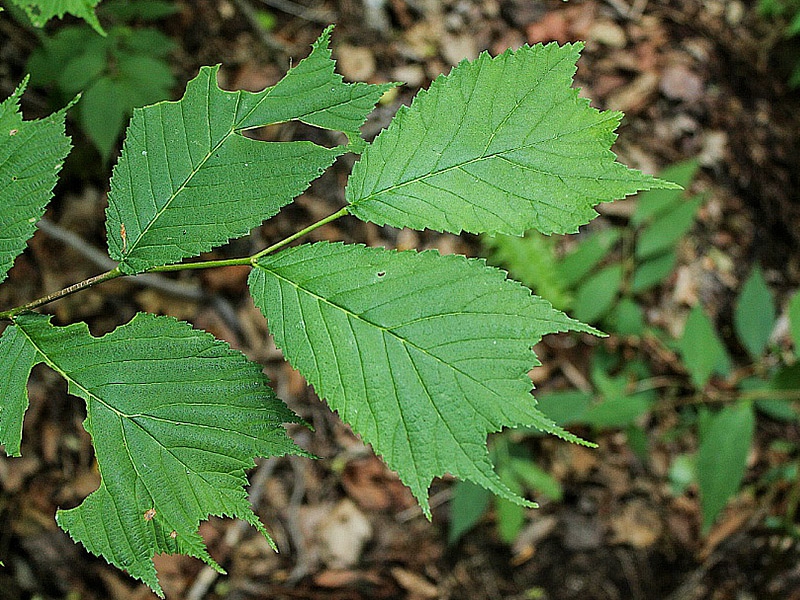
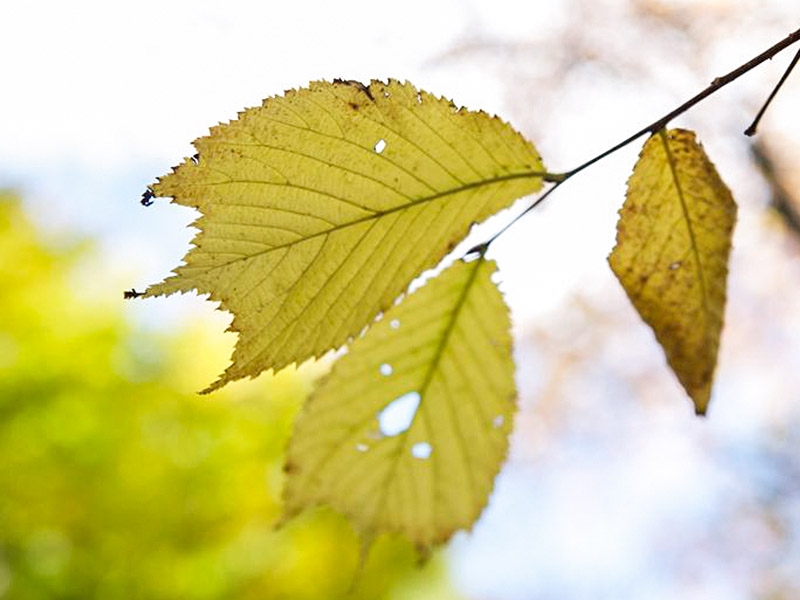
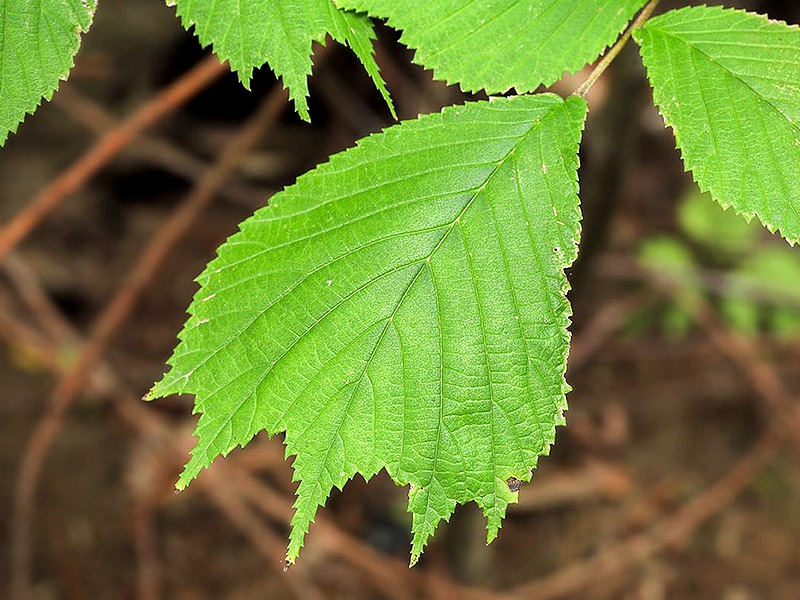
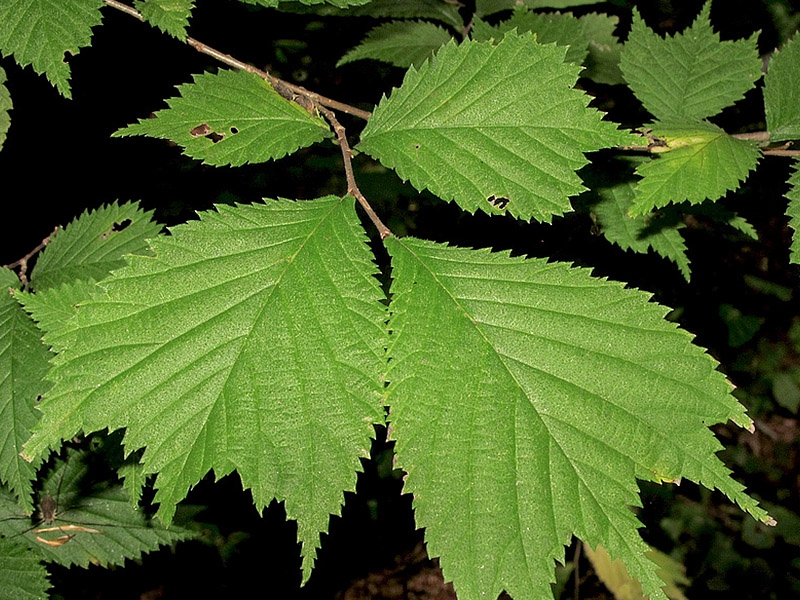
Ulmus laciniata is a broad-leaved tree native to Korea, Japan, and northeastern Russia, primarily growing in mountainous areas or near rivers. The following describes the tree's growth characteristics, propagation methods, cultivation techniques, garden uses, major pests and diseases, and control methods. Growth Characteristics - Size and Shape: Ulmus laciniata grows up to 20 meters tall, and is characterized by its deeply lobed leaves. - Environmental Requirements: This tree thrives in sunny locations but can tolerate some shade. It has good adaptability to various soil types and can grow in diverse soils, but it grows best in well-drained soil. Propagation Methods - Seed Propagation: Seeds collected in the autumn can be stored at room temperature or sown in the spring. However, since germination rates can be low, large-scale sowing is necessary. - Cuttings: It can be propagated by taking cuttings during the summer; this method may be more effective due to its higher germination rate. Cultivation Method - Planting Time: Late autumn or early spring is the appropriate time for planting. - Watering: Once established, it tolerates dry conditions well, but consistent watering is required during the initial stages. - Fertilizer: Applying general garden fertilizer in the spring is sufficient. Garden Uses Due to its unique leaf shape and large tree form, Nanti raciniata can be used as a focal point in the garden landscape. It is also suitable for providing shade or serving as a windbreak. Important Pests and Control Methods - Diseases: While it has strong resistance to Dutch elm disease, other diseases such as yellow rot and decay may occur. It is recommended to remove diseased branches immediately and disinfect them using bleach. - Pests: Leaf beetles and moths may appear. As a preventive measure, regularly inspect the condition of the tree and use appropriate insecticides for control if necessary. By considering these characteristics and precautions, you can cultivate it healthily through proper care and maintenance.
Plant Type
Plant Family
Elm family
Height
20m
Spread
Colors
red
Bloom Period
April~May
Water Needs
commonly
Exposure
semi-shaded area
Freezing Resistance
-30°C
King elm
Ulmus macrocarpa
elm tree
Ulmus davidiana var. japonica