English
한국어
English
Español
中文
हिंदी
Home
News
Community
Dictionary
English
한국어
English
Español
中文
हिंदी
View list
Iliamna Ribularis
Iliamna rivularis
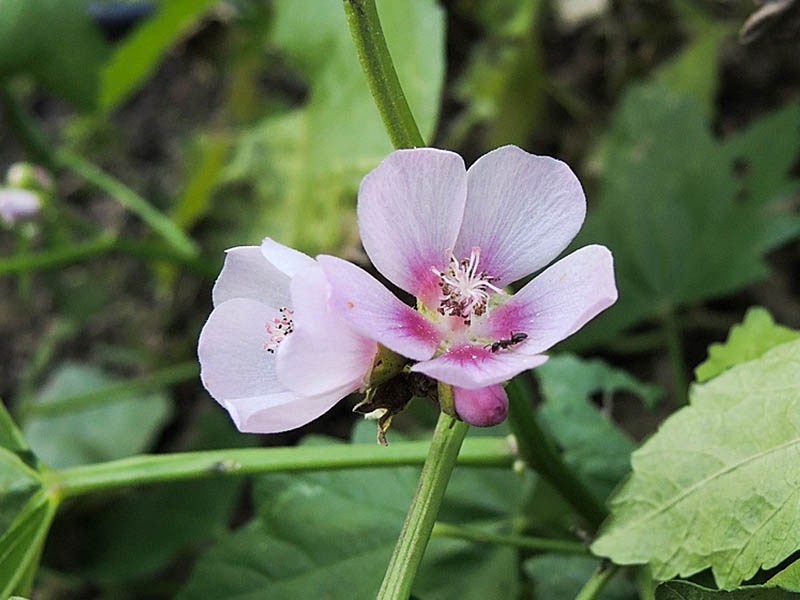
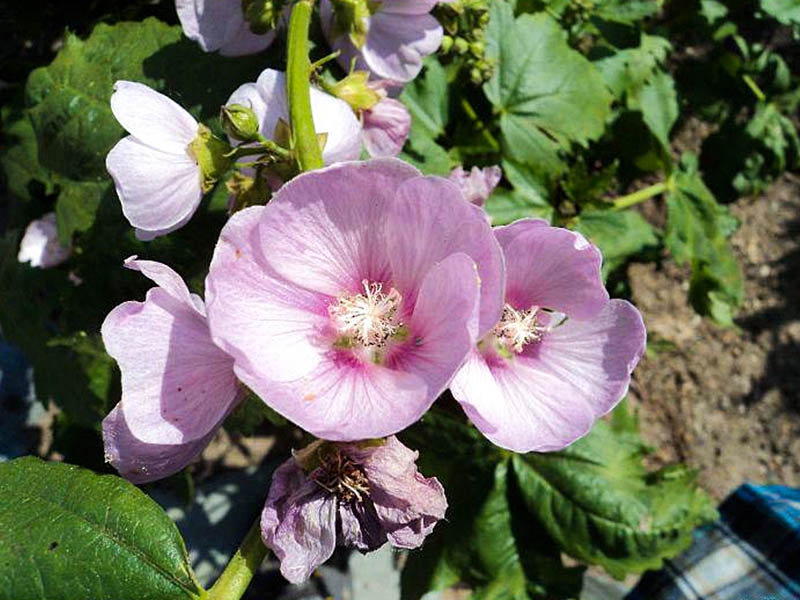
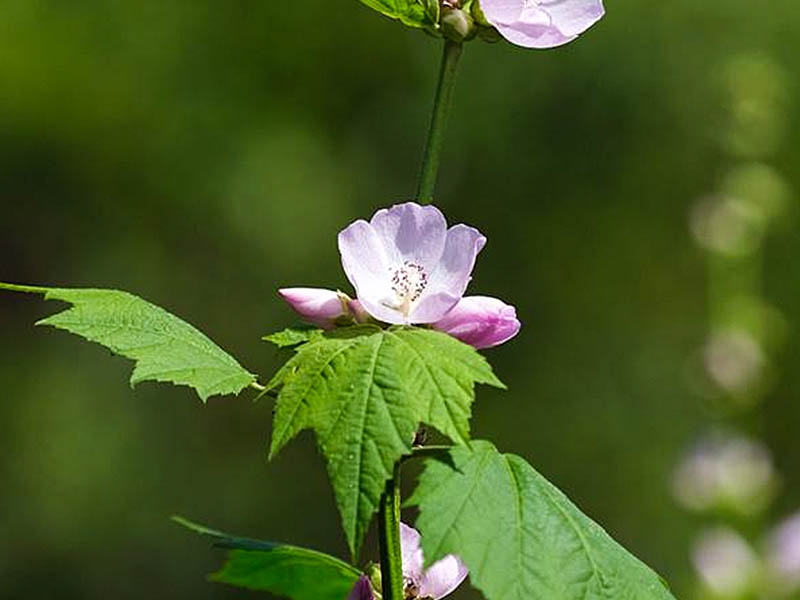
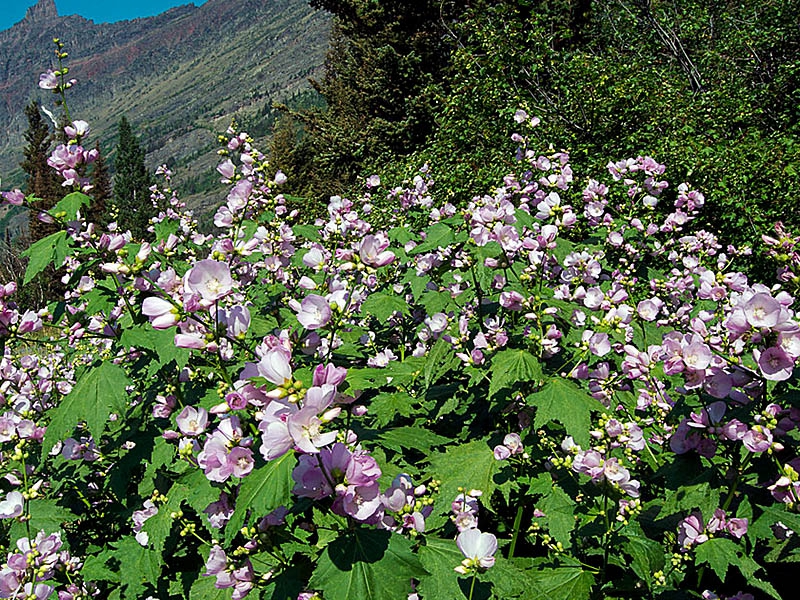
Iliamna rivularis is a perennial herbaceous plant also known in Korean as 'Gangga-kkot' or 'Gangga-mugunghwa'. The following is information regarding this plant's growth characteristics, propagation methods, cultivation methods, garden uses, major pests and diseases, and control methods. Growth Characteristics - Environment: Iliamna rivularis thrives in well-drained soil and prefers sunny locations. While partial shade is acceptable, it grows better in areas with sufficient sunlight. - Size: Mature plants typically grow to a height of 1 to 2 meters. - Flowers: Pink or light purple flowers bloom in the summer, with the flowers measuring approximately 5 to 10 cm in size. Propagation Methods - Seeds: Propagation is possible via seeds. It is best to sow seeds in the spring or autumn. To increase germination rates, it is recommended to make incisions in the seeds or store them in a cool place before planting. - Root Division: There is also a method of dividing the roots of mature plants. The best time is spring or autumn. Cultivation Methods - Soil Preparation: It thrives in fertile, well-drained soil, so improve the soil to ensure good drainage. - Watering: Avoid overwatering; water only when the surface of the soil is dry. - Fertilizer: It is recommended to use low-concentration slow-release fertilizer in spring and summer. Garden Use - Landscape Creation: Due to its tall stature and beautiful flowers, it is used as a background or border plant in backyards. - Ecological Environment Creation: Since various insects and birds visit this plant, it helps create an ecological garden. Important Pests and Control Methods - Diseases: Although it is relatively resistant to diseases, care must be taken regarding root rot caused by excessive moisture. To prevent this, it should be planted in well-drained soil, and overwatering should be avoided. - Pests: While generally resistant to pests, aphids or snails may occur. If pests appear, eco-friendly insecticides or direct removal methods can be used. By referring to the information above, you will be able to effectively cultivate and manage Iliamna labularis.
Plant Family
Malvaceae
Height
90~180cm
Spread
60~90cm
Colors
white
Bloom Period
June to August
Water Needs
commonly
Exposure
Sunny
Freezing Resistance
-30°C
European holly 'Alaska'
Ilex aquifolium
'Alaska'
Octagonal hollyhock
Illicium verum
Hook