English
한국어
English
Español
中文
हिंदी
Home
News
Community
Dictionary
English
한국어
English
Español
中文
हिंदी
View list
Elm alata
Ulmus alata
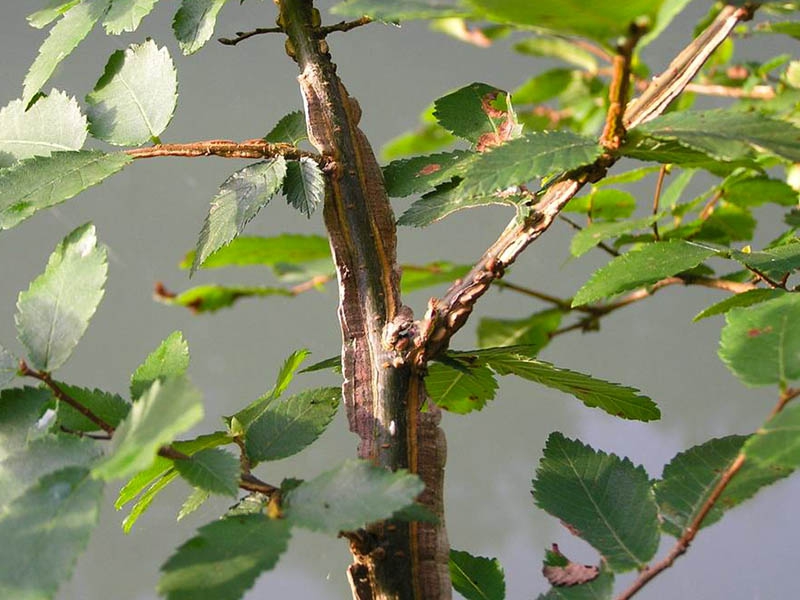
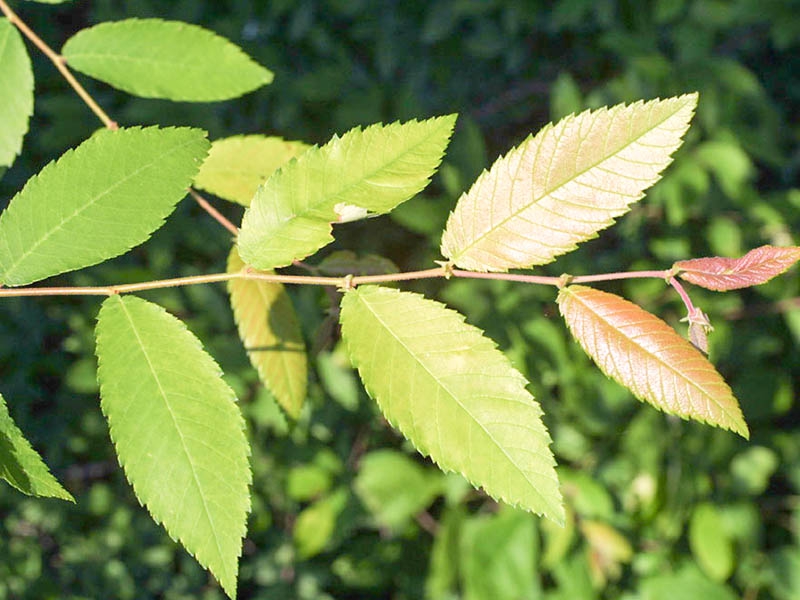
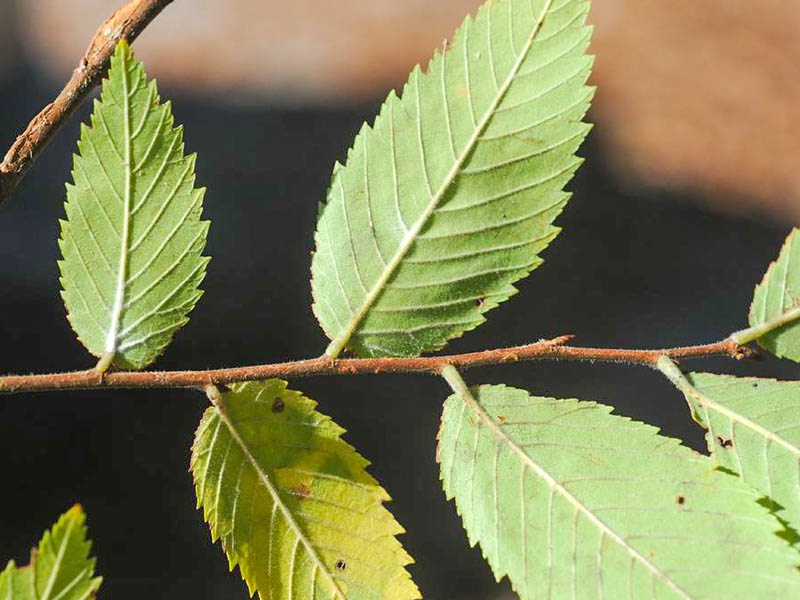
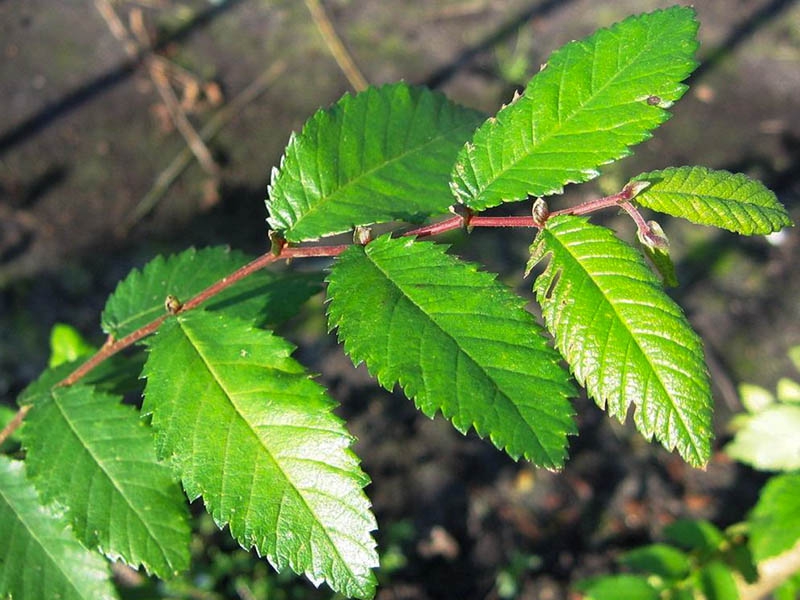
Ulmus alata is a species of elm native to North America and is a medium-sized deciduous tree. The following outlines the tree's key growth characteristics, propagation methods, cultivation practices, garden uses, and pest and disease control methods. Growth Characteristics - Size and Shape: Mature trees grow to approximately 9 to 15 meters in height and are robust, round-shaped trees. - Leaves: They are round and small oval-shaped with fine serrations along the edges. - Environment: It thrives in sunny locations with well-drained soil. It can adapt to various soil conditions. - Cold Hardiness: It is resistant to cold, allowing it to grow in diverse regions. Propagation Methods - Seeds: Natural propagation is primarily achieved through seeds; seeds are collected in the fall and planted in the spring. - Grafting: Grafting is sometimes used to preserve desired characteristics. - Cuttings: Propagation is possible via cuttings during the summer, but the success rate is relatively low. Cultivation Methods - Planting: Spring or autumn is the appropriate time for transplanting; ensure sufficient space is provided. - Water Management: Adequate water supply is important during the early growth stages, but mature trees can tolerate relatively dry conditions. - Fertilizer: Generally, the tree grows well without additional fertilizer, but slow-release fertilizers can be used during the early growth stage. - Pruning: Prune during the winter to maintain its shape and promote healthy growth. Uses in Gardens - Landscape Tree: Suitable as a garden tree or street tree due to its beautiful form and shade. - Ecological Role: Provides habitat for various wildlife. Major Pests and Control Methods - Elm Disease: A fatal disease affecting most elm trees; consistent care and regular inspections are required for preventive control. - Pests: Pests such as the Japanese crayfish beetle can weaken the tree. These pests are primarily controlled using chemical insecticides. - Abiotic Stress: A balanced growing environment must be maintained to avoid abiotic stresses such as dryness and excessive moisture. Although Elm alata can be susceptible to certain pests and diseases, it can be grown healthily with proper care and prevention. It can be an excellent choice for efficiently utilizing garden space.
Plant Type
Plant Family
Elm family
Height
9~15m
Spread
6~12m
Colors
green
Bloom Period
April to August
Water Needs
commonly
Exposure
Sunny
Freezing Resistance
-30°C
elm tree
Ulmus davidiana
Chinese elm 'Seijū'
Ulmus parvifolia 'Seiju'