English
한국어
English
Español
中文
हिंदी
Home
News
Community
Dictionary
English
한국어
English
Español
中文
हिंदी
View list
Langacho
Indigofera pseudotinctoria
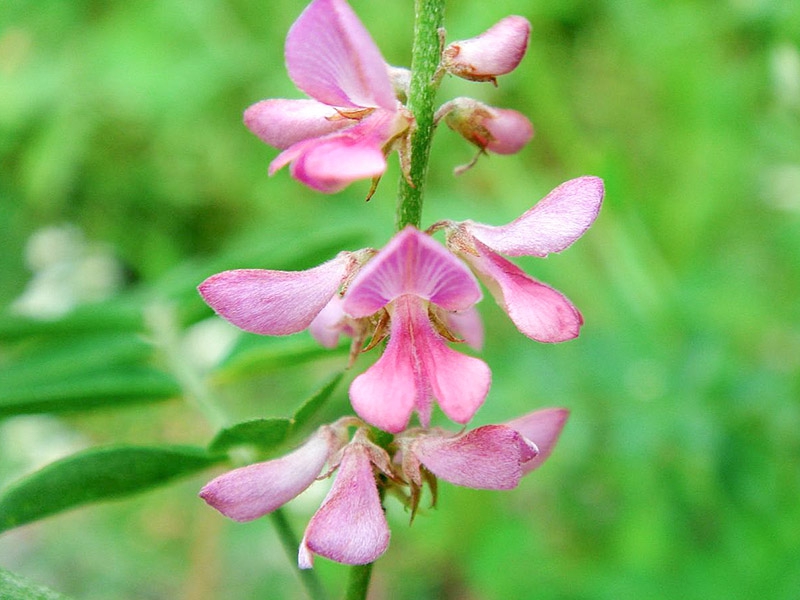
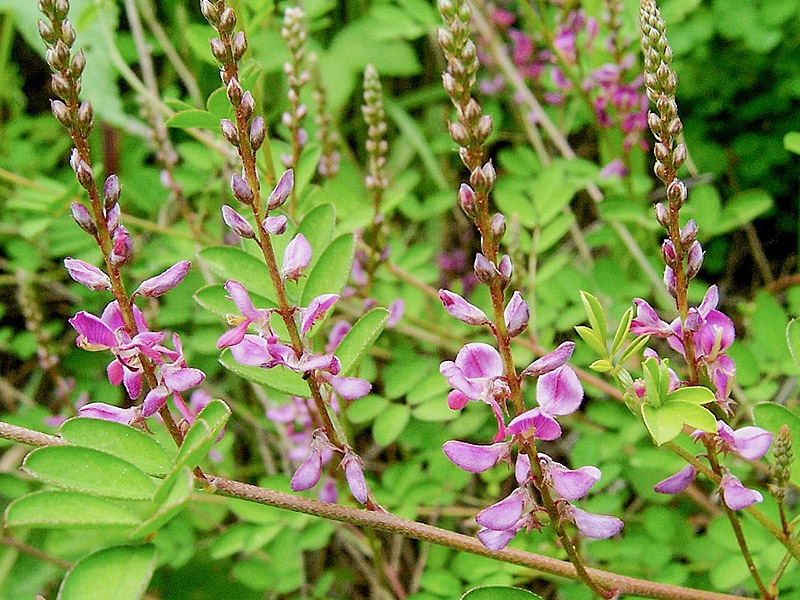
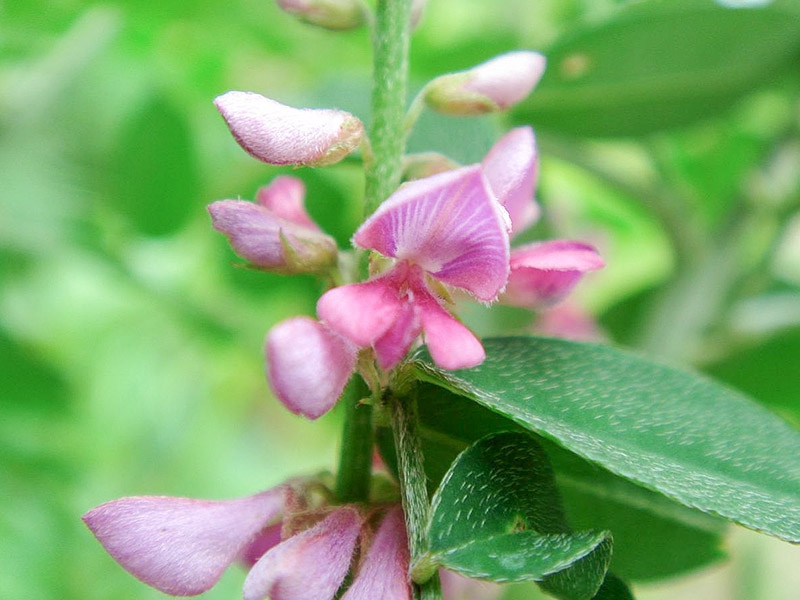
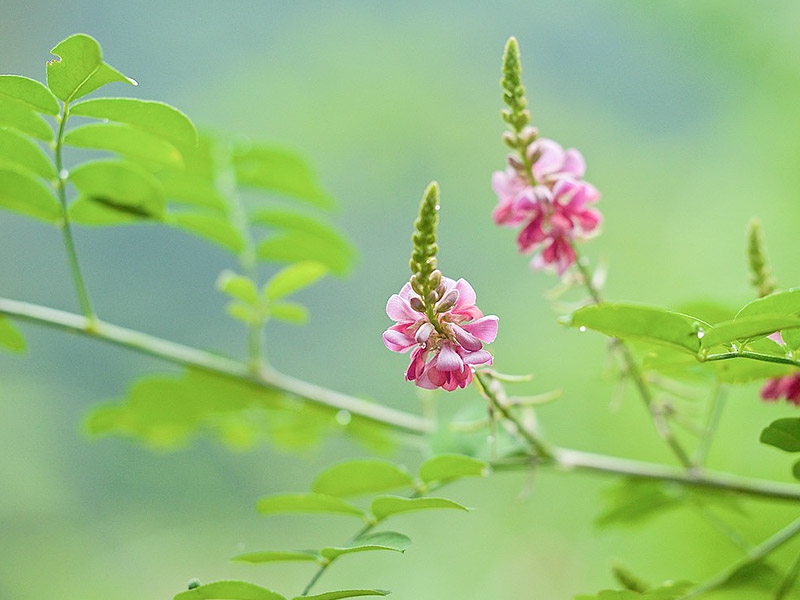
Indigofera pseudotinctoria is a deciduous shrub native to East Asia, including Korea. The following information covers the growth characteristics, propagation methods, cultivation methods, garden uses, and major pests and diseases, as well as control methods. Growth Characteristics - Plant Morphology: Indigofera typically grows to a height of 1 to 2 meters, and its leaves are pinnately compound. It produces reddish-purple flowers, which bloom most abundantly during the summer. - Growing Environment: It thrives in sunny locations and prefers well-drained soil. While it can tolerate dry conditions relatively well, it requires a well-drained environment. - Cold Hardiness: It is relatively cold-hardy and can withstand cold winters. Propagation Methods - Seed Propagation: It can be propagated using seeds, and sowing in the spring is recommended. To increase the germination rate, it is advantageous to soak the seeds in water before sowing. - Cuttings: You can propagate the plant by taking cuttings of healthy branches during the summer. This method has a relatively high success rate. Cultivation Methods - Planting Spacing: It is recommended to ensure sufficient space between plants to improve ventilation and increase resistance to disease. - Moisture Management: Excessive moisture can cause root rot. Therefore, it is important to plant in a way that ensures good drainage. - Fertilization: Generally, no separate fertilizer is required, but applying a small amount of slow-release fertilizer in late spring or early summer promotes healthy growth. Uses in the Garden - Lysimachia japonica is suitable for shaded areas under trees or for border flowerbeds. Due to its beautiful flowers, it is widely used as an ornamental plant and is also highly popular as a landscaping plant. Important Pests and Control Methods - Diseases: Fungal diseases are a common concern. To prevent this, it is important to plant in a well-ventilated area and maintain good drainage. - Pests: Pests such as aphids may occur. Applying insecticides at the appropriate time or washing them off with water is an effective method. - Control Methods: Periodic observation and care are important, and pests and diseases should be controlled using appropriate pesticides when necessary. The above explains the main characteristics and care methods of the Japanese knotweed. By referring to the information above while growing Japanese knotweed in your garden, you will be able to maintain a healthy and beautiful plant.
Plant Family
legumes
Height
2m
Colors
purple, pink
Bloom Period
July~August
Water Needs
commonly
Exposure
Sunny
Freezing Resistance
-15°C
Incarvillea della Vaï
Incarvillea delavayi
Lespedeza
Indigofera kirilowii