English
한국어
English
Español
中文
हिंदी
Home
News
Community
Dictionary
English
한국어
English
Español
中文
हिंदी
View list
sweet potato
Ipomoea batatas
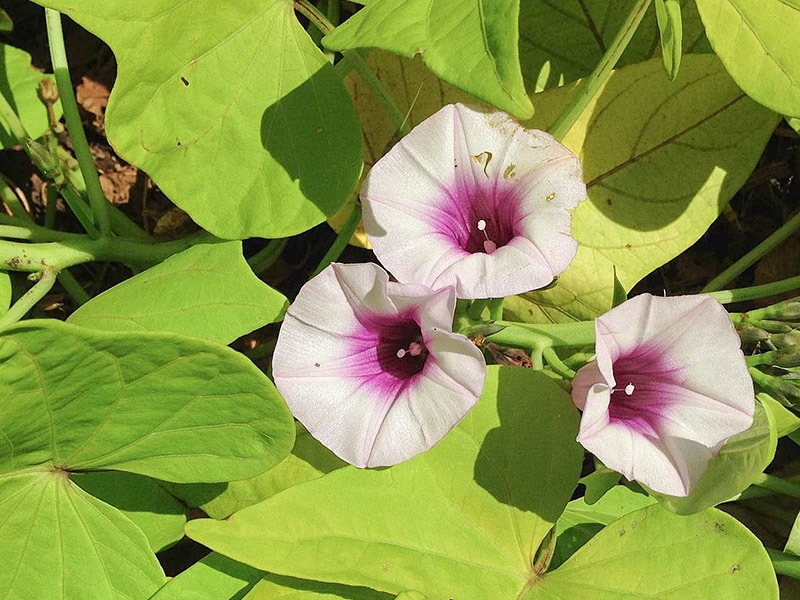
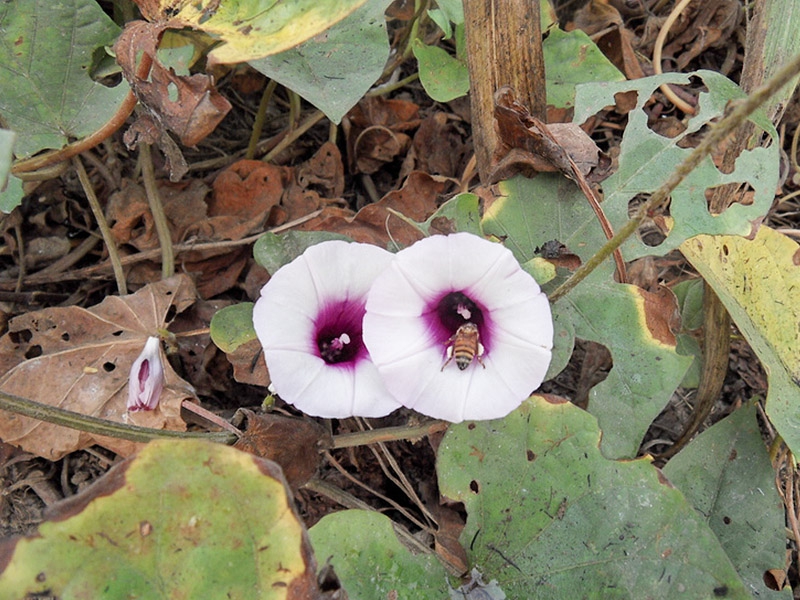
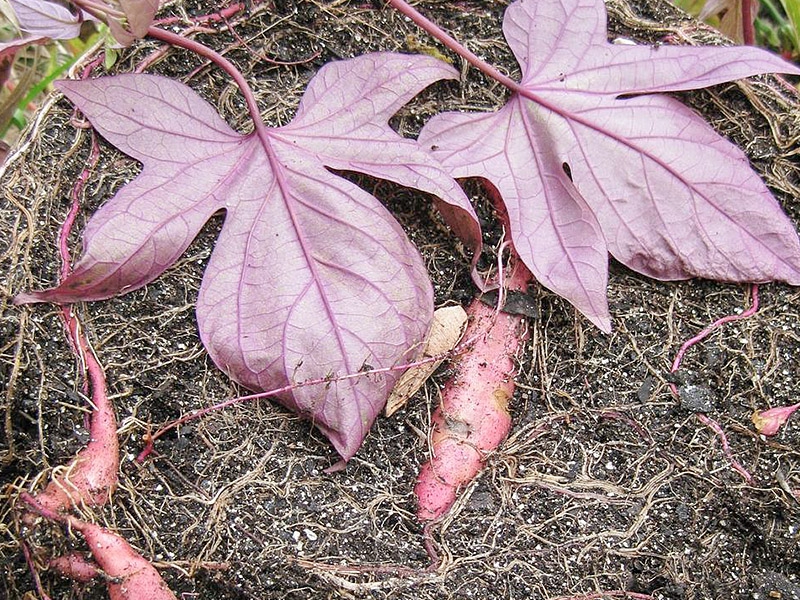
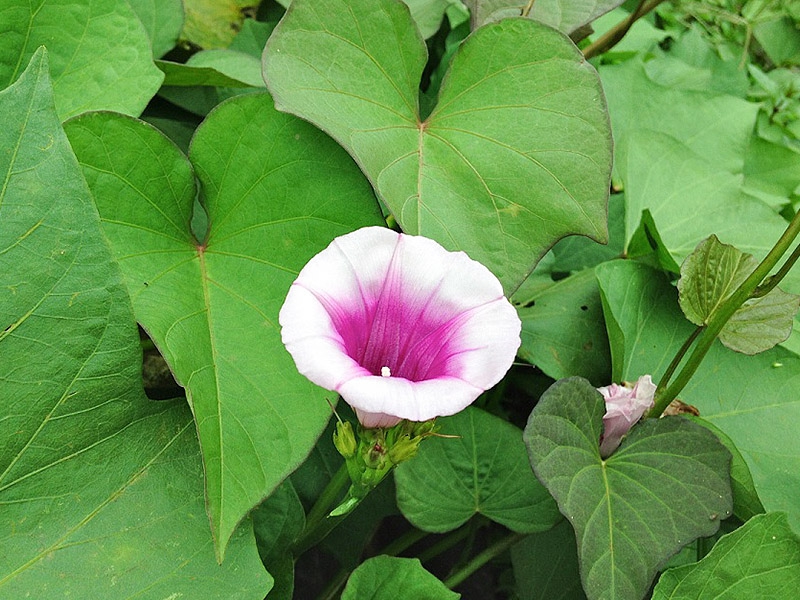
What is Sweet Potato Batatas (Ipomoea batatas)? Growth Characteristics: Sweet potatoes are vining plants that thrive primarily in warm, humid climates. The optimal temperature is 21–26°C, and growth is promoted in sunny locations. Ideal soil should be well-drained and fertile. While they are resistant to drought, excessive moisture can lead to root rot. Propagation Methods: Sweet potatoes are primarily propagated asexually using tubers. It is common practice to cut and plant sprouted tubers. Additionally, cuttings of stems and planting them in the ground to encourage rooting are also used. Cultivation Methods: - Soil Preparation: Prepare the field by selecting soft, well-draining soil. - Planting: Plant sweet potatoes at intervals of approximately 30 cm, leaving a spacing of about 90–120 cm between rows. 3. Care: Water frequently, but avoid excessive watering. Once growth begins, manage the vines to prevent them from growing too large. - Harvest: Harvesting can take place approximately 90 to 150 days after planting. Uses in the Garden: Sweet potatoes are used not only for food but also for ornamental purposes. In particular, since the vines grow quickly, they are useful for creating natural green spaces. It is effective to grow the vines by climbing them up a fence or trellis. Important Pests and Control Methods: - Sweet Potato Moth: Causes damage by gnawing on leaves; remove them in the early stages of infestation or use natural pesticides. - Root Rot: It is important to avoid overwatering; if the disease occurs, remove the affected plants and create a well-ventilated environment. - Gecko: Both adult and larval stages cause damage; control them by applying soapy water or a non-toxic insecticide spray to the leaves. If you understand and manage these characteristics well, you can cultivate sweet potato batatas effectively.
Plant Family
Convolvulaceae
Height
3m
Colors
white, purple
Bloom Period
July~August
Water Needs
commonly
Exposure
Sunny
Freezing Resistance
-1°C
Morning glory
Ipomoea lacunosa
Star-shaped morning glory
Ipomoea triloba