English
한국어
English
Español
中文
हिंदी
Home
News
Community
Dictionary
English
한국어
English
Español
中文
हिंदी
View list
narrow-leaved nettle
Urtica angustifolia
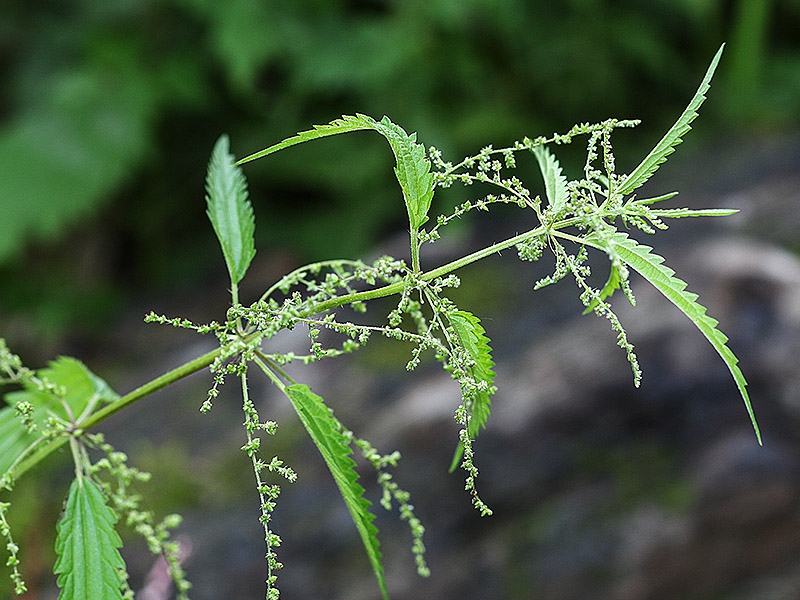
Urtica angustifolia is a perennial herb belonging to the nettle family, characterized by the following growth traits and cultivation methods. Growth Traits - Environment: It thrives in both full sun and partial shade and prefers well-drained soil. - Temperature: It grows well at moderate temperatures but does not tolerate severe cold well. - Humidity: Excessive moisture should be avoided, and adequate water supply is required. Propagation Methods - Seed Sowing: Seeds can be sown directly in spring or autumn, or seedlings can be grown and then transplanted. - Root Division: Mature plants can be propagated by dividing their roots. This is primarily done in the spring. Cultivation Methods - Soil Preparation: Prepare soil rich in organic matter and select a well-ventilated location. - Watering: Maintain a moist state but avoid overwatering. - Fertilization: Apply an appropriate amount of fertilizer during the spring and summer. Uses in the Garden - It is primarily used as a medicinal or ornamental plant; in particular, its leaves are sometimes used as a herb with skin-soothing effects. Important Pests and Control Methods - Pests: Watch out for leaf blight, which causes the leaves to turn pale, and aphids. - Control Methods: Use natural insecticides. In the case of aphids, remove them by hand or wash them off with water. If pathogens appear, remove them quickly and improve ventilation. With proper care as described above, the nettle can be effectively utilized in gardens and various environments.
Plant Type
Plant Family
Nettle family
Height
50~100cm
Spread
Colors
green
Bloom Period
July~August
Water Needs
commonly
Exposure
shade
Freezing Resistance
-30°C
Uncarina Decari
Uncarina decaryi
nettle
Urtica thunbergiana