English
한국어
English
Español
中文
हिंदी
Home
News
Community
Dictionary
English
한국어
English
Español
中文
हिंदी
View list
Morning glory Pandurata
Ipomoea pandurata
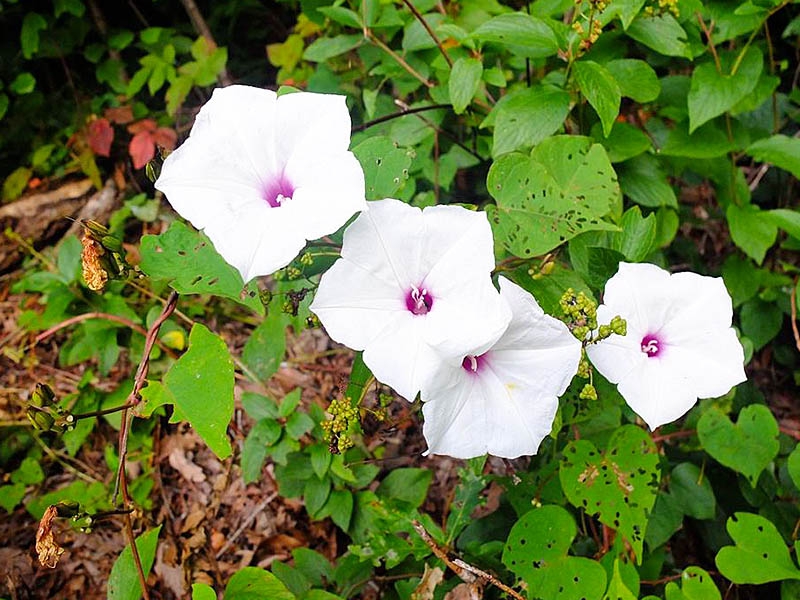
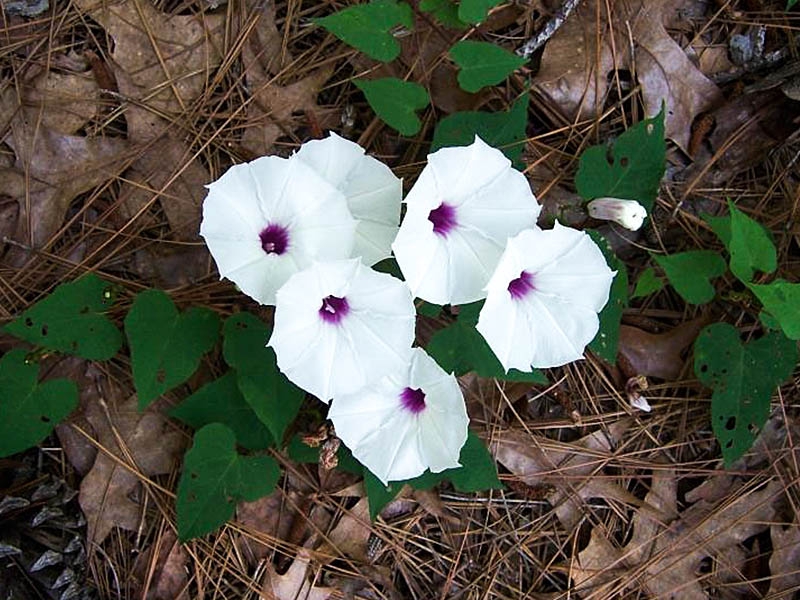
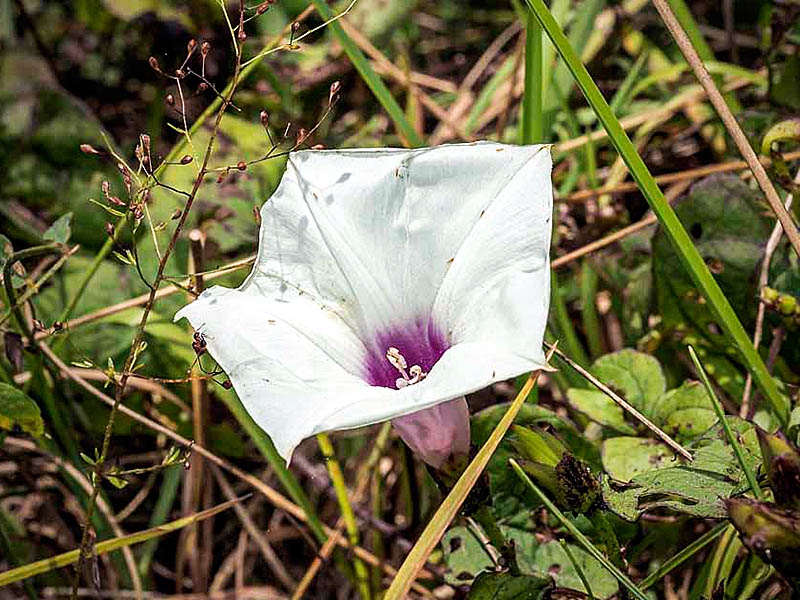
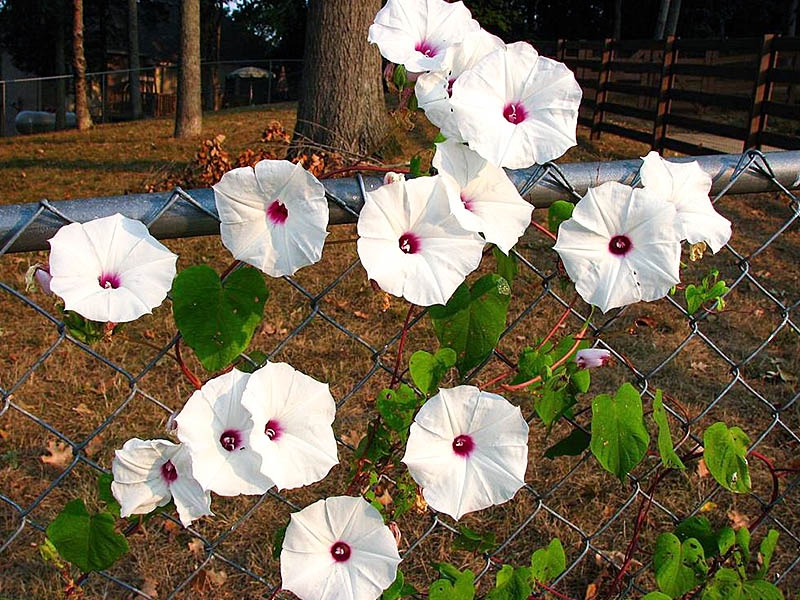
I will explain the growth characteristics, propagation methods, cultivation methods, garden uses, and major pests and diseases and control methods of Ipomoea pandurata. Growth Characteristics Ipomoea pandurata is a perennial vine native primarily to North America. It thrives in locations with abundant sunlight and well-drained soil. It produces large, beautiful trumpet-shaped flowers in the summer, and its roots are tuberous, containing stored nutrients, which is advantageous for its growth. Propagation Methods It can be propagated by seeds and root tubers. For seed propagation, sow in the spring, and germination occurs after 1 to 2 weeks. When propagating via root tubers, divide and plant the tubers in winter or early spring. Cultivation Methods - Soil Selection: Well-drained sandy or clayey soil is suitable. - Sunlight: It prefers full sunlight or partial shade. - Watering: Since it grows well in dry conditions, excessive watering should be avoided. Generally, it is best to water when the soil dries out. - Fertilizer: Use standard household fertilizer, but avoid watering too frequently. Uses in the GardenAs a vining plant, it is well-suited for garden fences, walls, and arched structures. Due to its showy flowers, it is widely used for ornamental purposes and is ideal for gardens that offer a natural feel. Important Pests and Control Methods - Diseases: Root rot can occur due to excessive moisture. To prevent this, well-drained soil and proper watering are important. - Pests: Aphids or spider mites may appear on the leaves. In this case, you can use a plant-specific insecticide, or as a natural control method, spray with soapy water. We hope you can properly cultivate and care for your Pandurata based on the information above.
Plant Family
Convolvulaceae
Height
4.5~9m
Spread
90~180cm
Colors
white
Bloom Period
May to August
Water Needs
commonly
Exposure
Sunny
Freezing Resistance
-10°C
American morning glory
Ipomoea nil
Hongcho
Ipomoea quamoclit