English
한국어
English
Español
中文
हिंदी
Home
News
Community
Dictionary
English
한국어
English
Español
中文
हिंदी
View list
Iris
Iris ensata
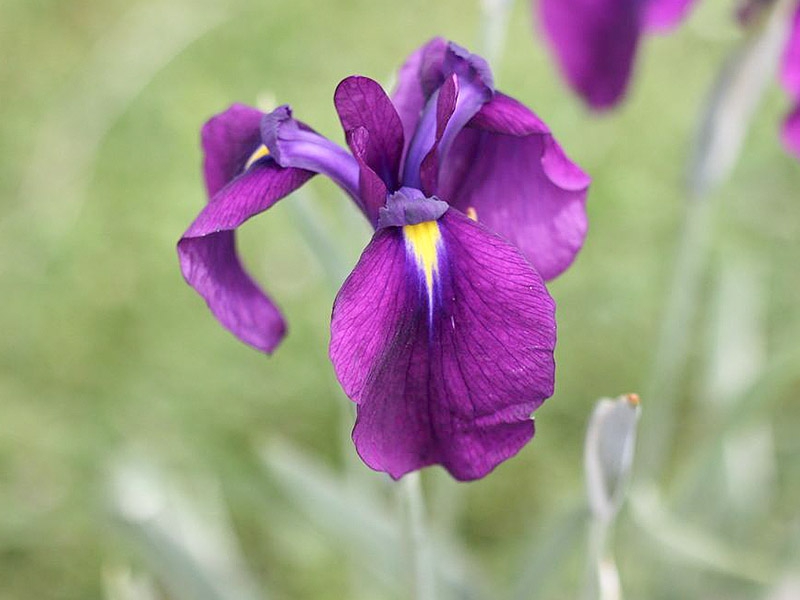
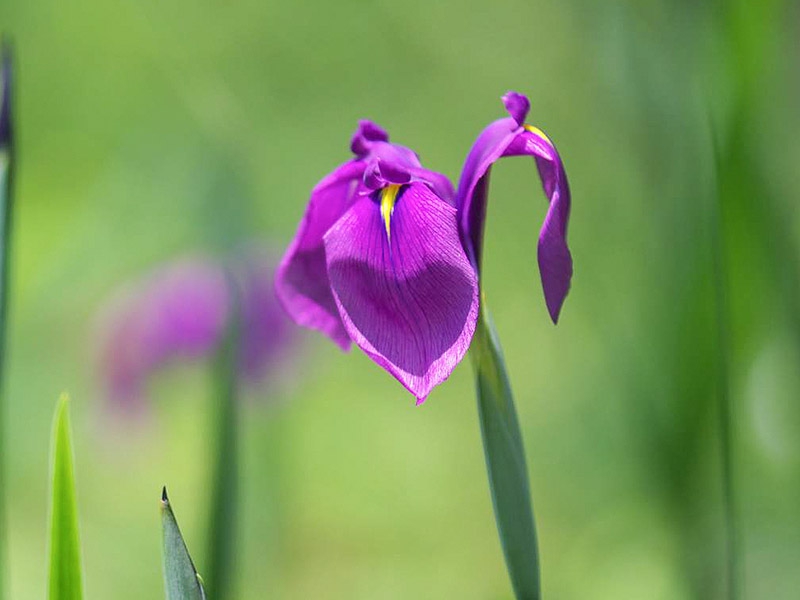
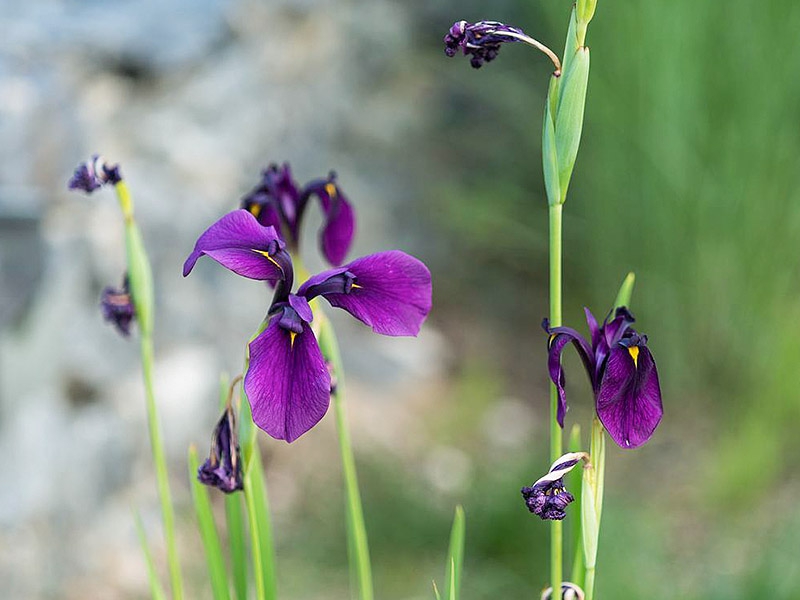
Iris ensata var. spontanea is a variety of the Japanese sweet flag characterized by its beautiful flowers. The following is information regarding this plant's growth characteristics, propagation methods, cultivation methods, garden uses, and important pests and diseases and control methods. Growth Characteristics - Sunlight: As a semi-shade to full-sun plant, it requires at least several hours of direct sunlight per day. - Soil: It prefers slightly acidic to neutral soil; well-drained soil that retains moisture well is suitable. - Water: Sufficient water supply is required, and it must be watered sufficiently, especially during the growing season. - Temperature and Humidity: It prefers a mild climate and thrives even in hot and humid environments. Propagation Methods - Seed Propagation: Seeds can be sown in late spring or early summer. To increase the germination rate, it is important to lightly cover the seeds and maintain a warm and humid environment. - Propagation by Division: This is the most common method, involving dividing the root ball in early spring or autumn and planting it. Cultivation Methods - Planting: It is best to plant in late spring or early summer. When planting, be careful not to plant the roots too deeply. - Fertilization: During the growing season, provide organic fertilizers or slow-release fertilizers to promote growth. - Overwintering: During the winter, plant deep in the soil or protect the roots through mulching. Uses in the Garden - It is highly valued as an ornamental plant; planting it near water or around ponds provides a beautiful landscape. - Since it blooms in various colors, it can be arranged harmoniously with other plants to create a spectacular garden. Important Pests and Control Methods - Diseases: Leaf blight and root rot may occur. It is important to remove diseased parts and plant in a well-ventilated area. - Pests: Aphids, snails, and slugs can be problematic. Environmentally friendly control methods include manual removal or biological control using natural enemies. - Control methods: Regular observation and prompt action are important, and appropriate fungicides or insecticides should be used as needed. Based on this information, you will be able to manage and cultivate Iris ensata var. spontanea more effectively.
Plant Family
Iris family
Height
40~120cm
Colors
purple, blue
Bloom Period
June~July
Water Needs
commonly
Exposure
Sunny
Freezing Resistance
-30°C
Yellow iris
Iris koreana
Daecheong fan
Iris dichotoma