English
한국어
English
Español
中文
हिंदी
Home
News
Community
Dictionary
English
한국어
English
Español
中文
हिंदी
View list
Siberian iris
Iris sibirica
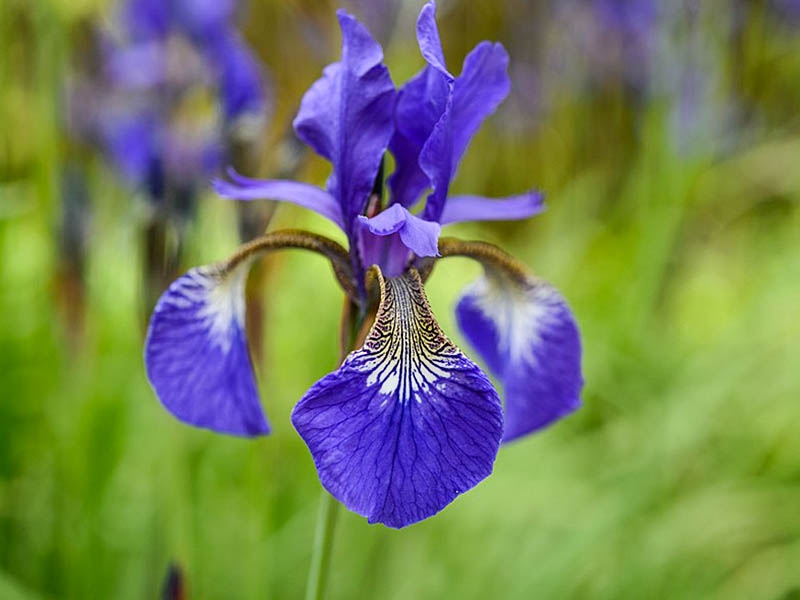
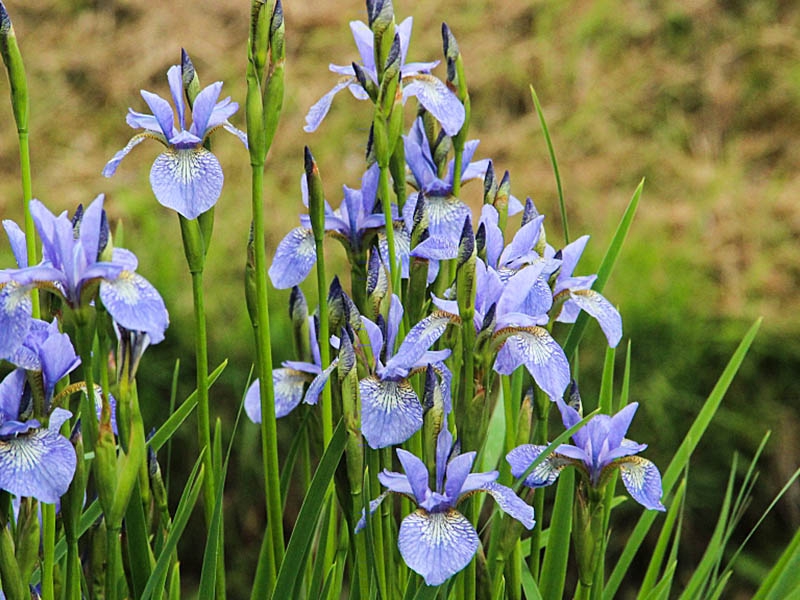
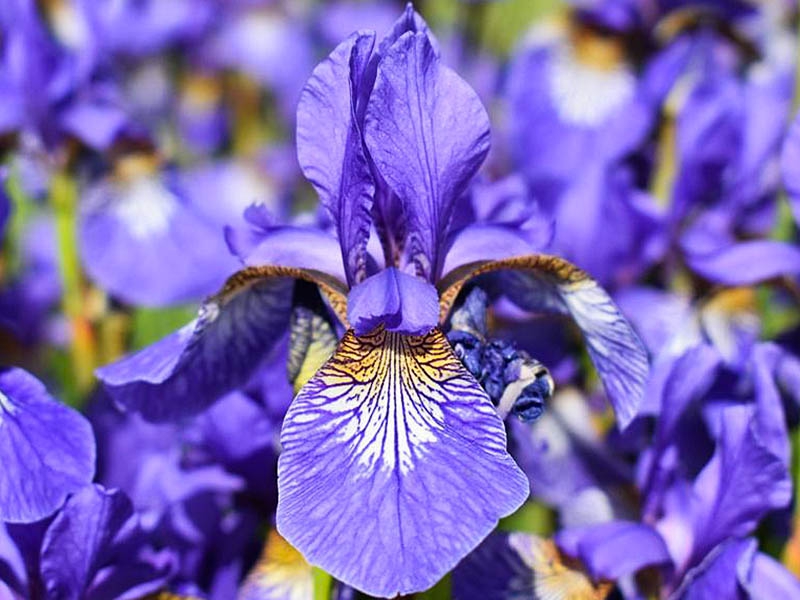
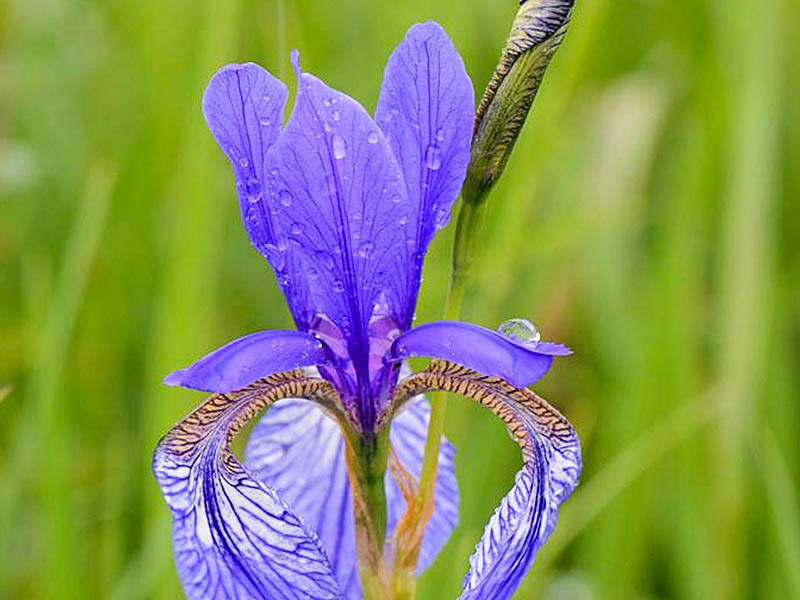
I will explain the growth characteristics, propagation methods, cultivation methods, garden uses, and major pests and diseases and control methods of the Iris sanguinea. Growth Characteristics The Iris is a perennial herbaceous plant widely distributed in the temperate regions of the Northern Hemisphere, thriving primarily in wetlands or near water. It typically reaches a height of 30 to 90 cm and blooms in the summer with flowers of various colors, including blue, purple, and white. Irises thrive in locations with plenty of direct sunlight and prefer well-drained soil. Propagation Methods Irises are primarily propagated by root division and seeds. - Root Division: The roots of the Iris are thin and long, allowing them to be divided to separate into new plants. Propagation is usually carried out in the spring or autumn. - Seed Propagation: While propagation is possible via seeds, it is generally not used due to the low germination rate and the long cultivation time required. Cultivation Methods Irises thrive under the following conditions. - Sunlight: It thrives in locations receiving sufficient direct sunlight. While it can grow in partial shade, the number of flowers may decrease. - Soil: Well-drained soil that is slightly acidic to neutral is suitable. Create a well-drained environment to avoid overwatering. - Watering: During the growing season, provide sufficient water, but ensure good drainage. Water sparingly during the winter. - Fertilizer: You can promote growth by using a nitrogen-containing compound fertilizer in the spring. Uses in the GardenDue to their outstanding color and beauty, irises are widely used as ornamental plants in various places such as gardens, parks, and pond edges. They harmonize well with other perennial plants, and their beautiful foliage remains even after blooming, making them a great addition to garden landscaping. Important Pests and Control MethodsWhile irises are relatively resistant to pests and diseases, there are a few that require attention. - Root Rot: This can occur due to overwatering and can be prevented by improving drainage and keeping the soil dry. - Leaf Blight: This can occur in poorly ventilated areas. Remove diseased parts immediately and use an appropriate fungicide if necessary. - Pests: Aphids and other pests may occur. They can be controlled through physical removal, insecticides, or soapy water. By referring to the information above, you can grow healthy irises and utilize them.
Plant Family
Iris family
Height
60~120cm
Colors
blue, purple
Bloom Period
May~June
Water Needs
commonly
Exposure
semi-shaded area
Freezing Resistance
-30°C
Daecheong fan
Iris dichotoma
Japanese iris
Iris japonica