English
한국어
English
Español
中文
हिंदी
Home
News
Community
Dictionary
English
한국어
English
Español
中文
हिंदी
View list
Iris Douglasiana
Iris douglasiana
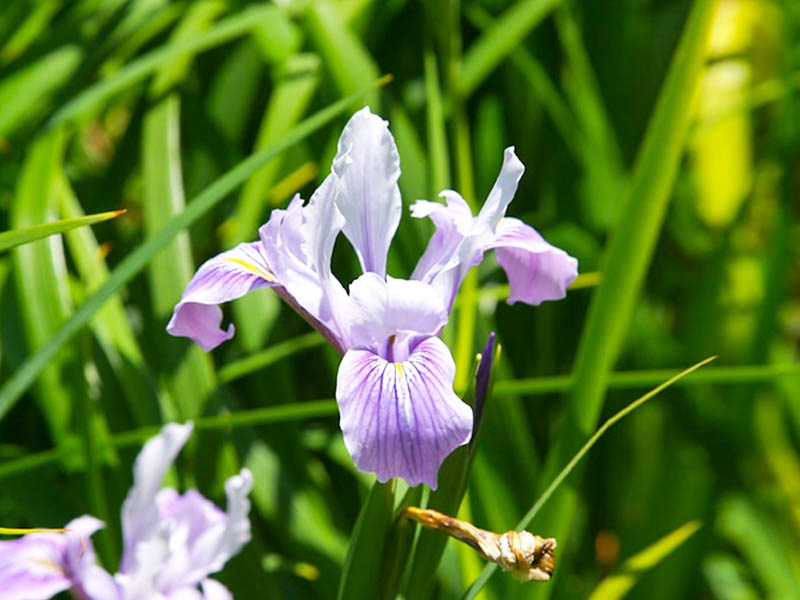
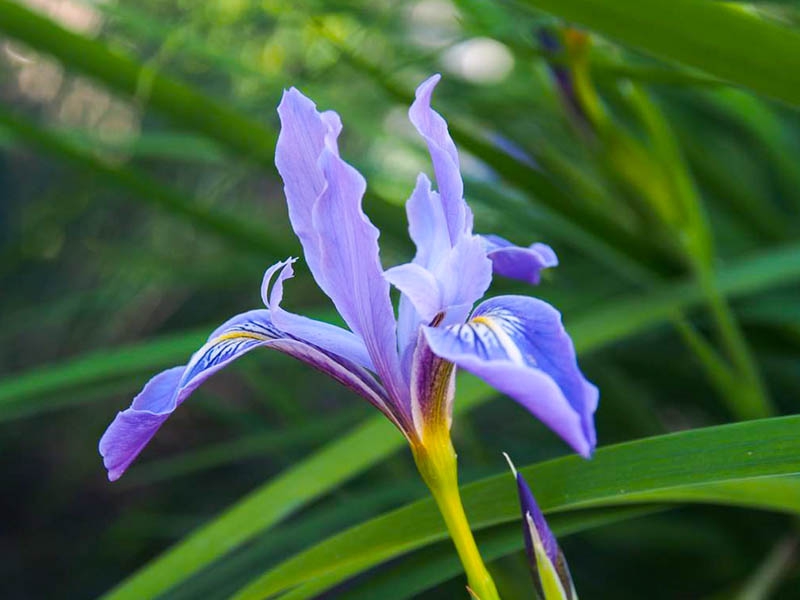
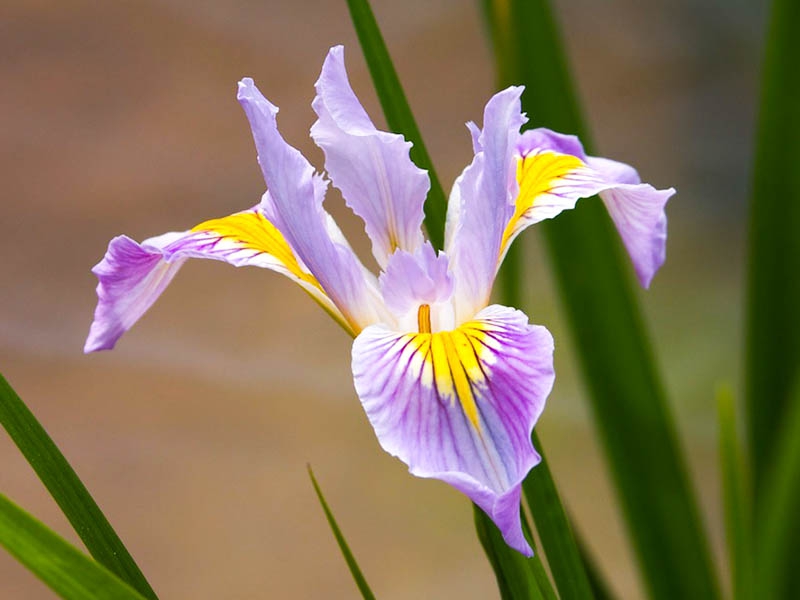
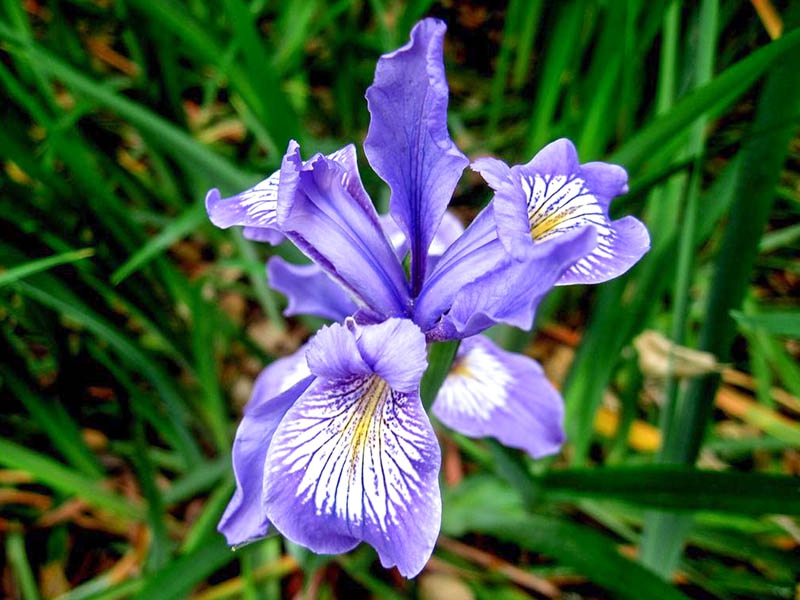
Iris douglasiana is a perennial herbaceous plant native primarily to the western coastal regions of the United States. The following describes the plant's growth characteristics, propagation methods, cultivation methods, garden uses, and important pests and diseases, as well as control methods. Growth Characteristics - Ecological Characteristics: It primarily grows along coastlines and at forest edges in mountainous areas, preferring environments with partial sunlight. - Environmental Conditions: It thrives in well-drained soil, with neutral to slightly acidic soil being suitable. - Flowering Period: It blooms mainly in the spring, between March and May. - Characteristics: It produces beautiful purple or blue flowers and possesses long, slender leaves. Propagation Methods - Seed Propagation: After the flowers have faded, collect the seeds and sow them directly in the fall or store them in the refrigerator and sow them in the spring. The germination rate is somewhat low, but it increases with consistent care. - Root Division: It can be propagated by separating root clumps in late autumn, after the plant's growing season has ended. Cultivation Methods - Planting Time: Spring or autumn is appropriate. - Watering: Avoid overwatering; it is best to water when the soil becomes dry. - Fertilizer: It is recommended to apply slow-release fertilizer before the growing season. - Maintenance: Weed removal and proper pruning are necessary, and providing partial shade during the hot summer months is recommended. Uses in the Garden - Landscaping: Due to its beautiful flowers, it is excellent for planting along garden borders or flowerbed edges. - Landscaping Use: Its natural appearance adds to the natural beauty of the garden, and the variety of flower colors provides visual pleasure. Major Pests and Control Methods - Pests and Diseases: Major pests include scale insects and aphids. Fungal diseases such as leaf spot may occur. - Control Methods: - Physical Removal: Pests should be removed by hand or washed away with water immediately upon discovery. - Use of pesticides: If necessary, pest control can be achieved using appropriate pesticides, or natural insecticides can be used for eco-friendly control. - Prevention: Reduce the occurrence of fungi and diseases by maintaining proper distance and improving air circulation. In the garden, the Douglas fir is very useful as an ornamental plant, and with proper care, you can expect healthy and beautiful flowers.
Plant Family
Iris family
Height
30~60cm
Spread
60~120cm
Colors
purple
Bloom Period
March to May
Water Needs
commonly
Exposure
Sunny
Freezing Resistance
-10°C
Iris 'Canyon Snow'
Iris douglasiana
'Canyon Snow'
Iris 'Hello Yellow'
Iris domestica
'Hello Yellow'