English
한국어
English
Español
中文
हिंदी
Home
News
Community
Dictionary
English
한국어
English
Español
中文
हिंदी
View list
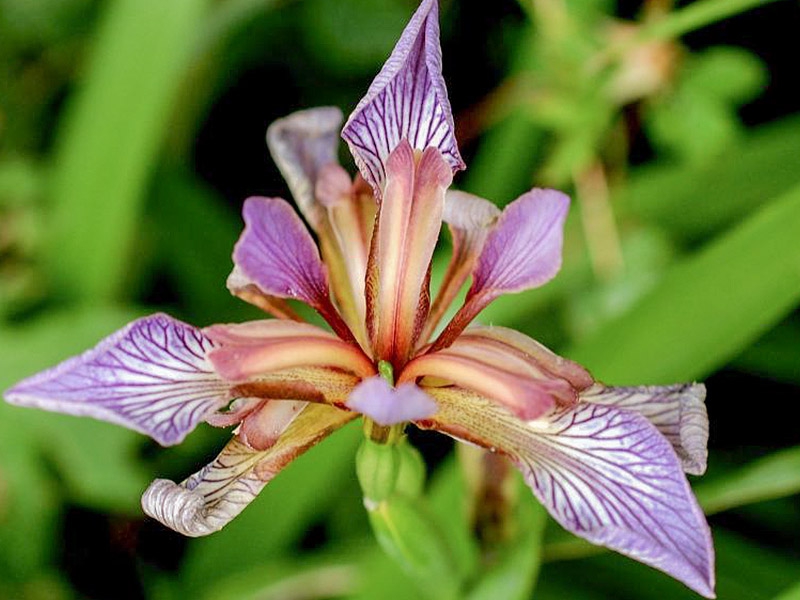
Dongcheong iris
Iris foetidissima
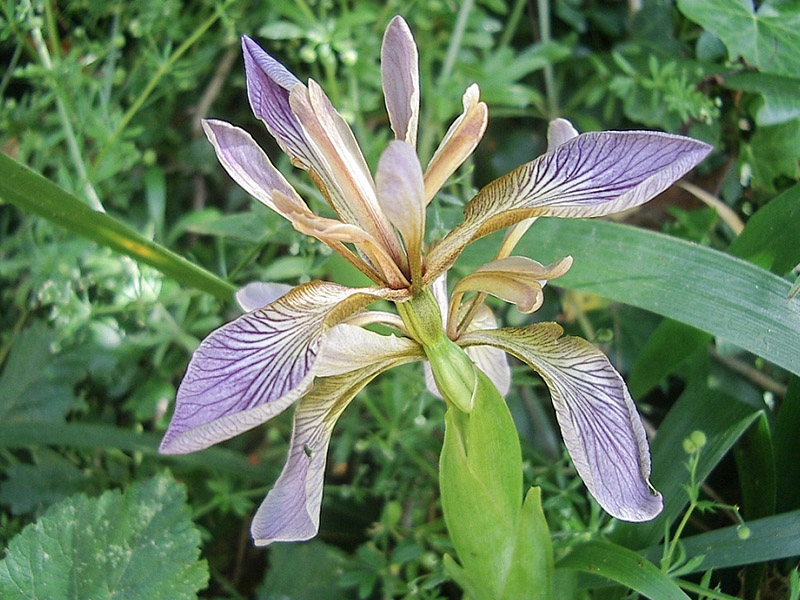
Iris foetidissima is a perennial plant native to Europe and North Africa, possessing unique characteristics and charm. The following outlines the growth characteristics, propagation methods, cultivation techniques, garden uses, and important pests and diseases, as well as control methods. Growth Characteristics - Environment: It thrives in partial shade and prefers slightly moist soil. It can also adapt to dry environments. - Height: Mature plants typically grow to about 50–90 cm. - Flowers: They bloom mainly in the summer and feature characteristic iris-shaped flowers. The flower color usually ranges from light purple to yellow. - Leaves: It has long, sword-shaped leaves that remain fresh in the autumn. Propagation Methods - Seeds: Seeds collected in the autumn should be dried and sown immediately in the spring. - Division: It can be propagated by dividing the root ball. This process is primarily performed in the spring or early summer. Cultivation Method - Soil: It can grow in various types of well-drained soil, but slightly acidic to neutral soil is ideal. - Watering: Under normal weather conditions, water moderately, but it is best to avoid excessive moisture. - Fertilizer: Fertilizer is not necessary, but a small amount of organic fertilizer can be applied in the spring to promote growth. Garden Uses - This plant is a good choice for adding color to autumn and winter gardens, especially because its leaves remain green even in winter. - It can be planted between bushes to create natural borders or used as ground cover in shady areas. Important Pests and Control Methods - Diseases: Fungal diseases and iris leaf blight may occur; prevent them by maintaining good ventilation and removing diseased leaves. - Pests: Slugs and snails are the primary causes of damage. These pests can be removed by hand or using organic management methods. - Managing pests using eco-friendly pesticides or treatments is also a good approach. If you manage the Japanese iris fetissimus in this way, you can utilize it as a beautiful garden plant. Minimizing the indiscriminate use of chemicals and employing eco-friendly methods in each stage helps ensure healthy long-term cultivation.
Plant Family
Iris family
Height
30~60cm
Spread
30~60cm
Colors
Yellow, blue, purple, magenta
Bloom Period
March to July
Water Needs
commonly
Exposure
semi-shaded area
Freezing Resistance
-20°C
Eastern Blue Iris 'Variegata'
Iris foetidissima
'Variegata'
Iris 'Variegata'
Iris ensata
'Variegata'